
- “Now is the time to start thinking about pointing input” to Google TV, Google says
- No Google TV manufacturers currently use pointed remotes
- Gemini AI features seem to be the reason for the push
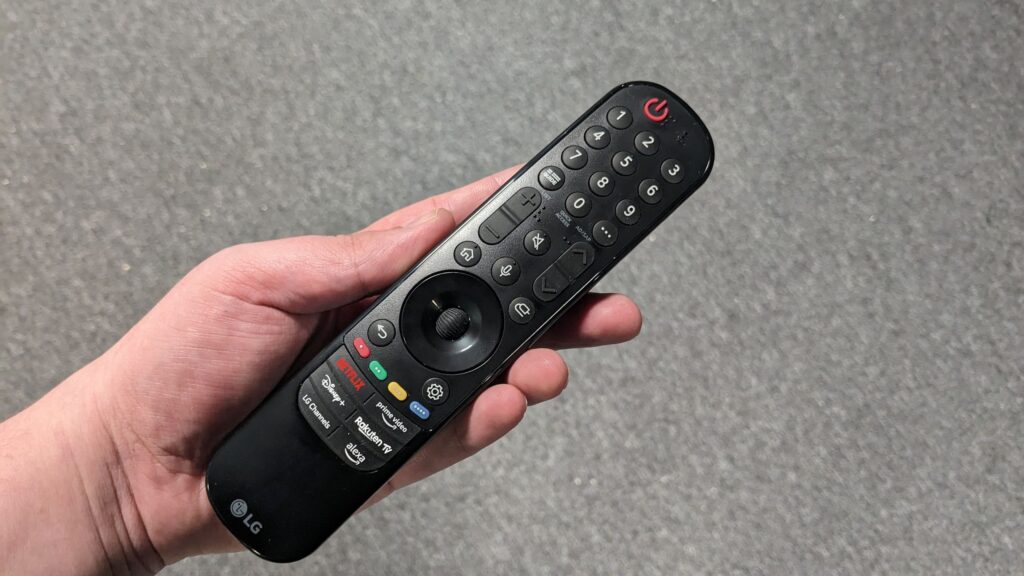
I think there are two kinds of TV users in the world: people who hate LG’s Magic Remote and people who haven’t used LG’s Magic Remote. I’m in the former camp, so I’m confused by Google’s latest announcement: it looks like something very similar is coming to Google TV.
If you’re not familiar with the Magic Remote, it uses Wii-style motion controls with similar precision, so trying to point at something can be frustrating: the cursor drifts with even the slightest movement, making channel hopping something that feels like a round of Wii Tennis. It’s an attempt to solve the ongoing challenge of controlling a smart TV remotely, and I don’t think it’s a success: my kids’ TV has a Magic Remote, and they, and I, hate it.
But Google seems to disagree. “Now is the time to start thinking about pointing input,” Google TV developer relations engineer Paul Lammertsma told app makers at Google I/O this week (via FlatpanelsHD)

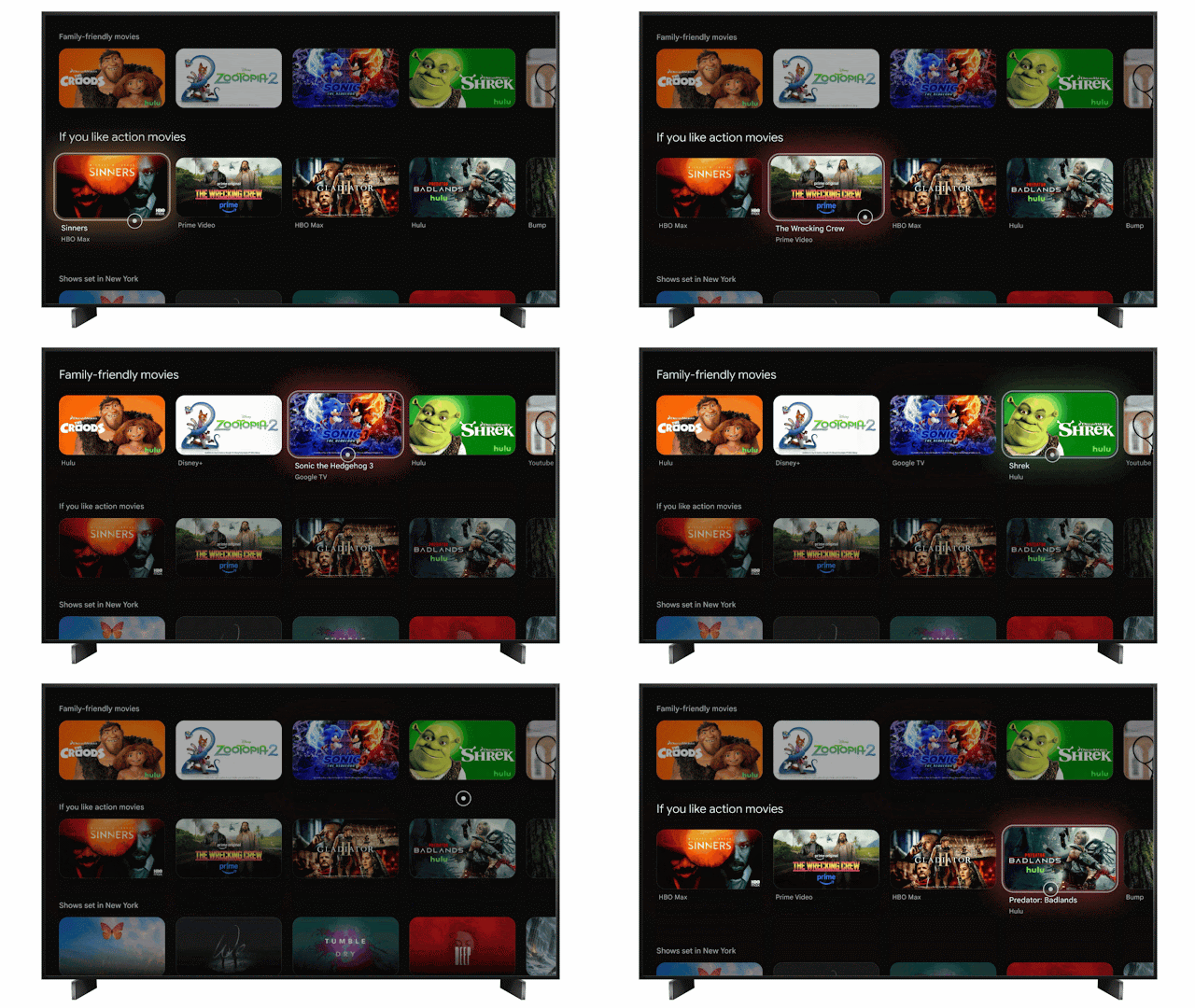
What is the point of a pointing remote control?
As far as I know, the only mainstream TV manufacturer that uses pointed remotes is LG, and LG doesn’t use Google TV. So what happens?
It’s all about Gemini and increasingly feature-packed TVs, it seems. As Lammertsma explained, “The TV experience as we once knew it is changing. Gemini is changing the way we discover and stream content with voice, but the way we use the remote is also evolving. Pointer remotes bring motion-controlled input to the big screen, unlocking faster user navigation across the Google TV home page and in content-heavy apps.”
It seems unlikely that LG is going to dump its own webOS platform in favor of Google TV, so Google is encouraging the introduction of pointing remotes into apps, which strongly suggests that either Google or one of its partners is developing pointing remotes for Google TV sets. It is unclear whether the support will be backwards compatible or only limited to new TV models.
Making TV remotes is hard, I know: some are far too complicated and others are far too simple. I hope Google has cracked the drift and accuracy issues that plague handheld remotes, and that the motion looks like it does in the animation above — and not like the remote in my kids’ room that drives us all crazy.
Are you considering buying a new TV?
Try our TV size and model finder! You tell it how far you sit from your TV, we’ll tell you what size to buy based on viewing angle advice from picture quality experts, and we’ll recommend our top three TVs in that size at different prices.

Follow TechRadar on Google News and add us as a preferred source to get our expert news, reviews and opinions in your feeds.


