
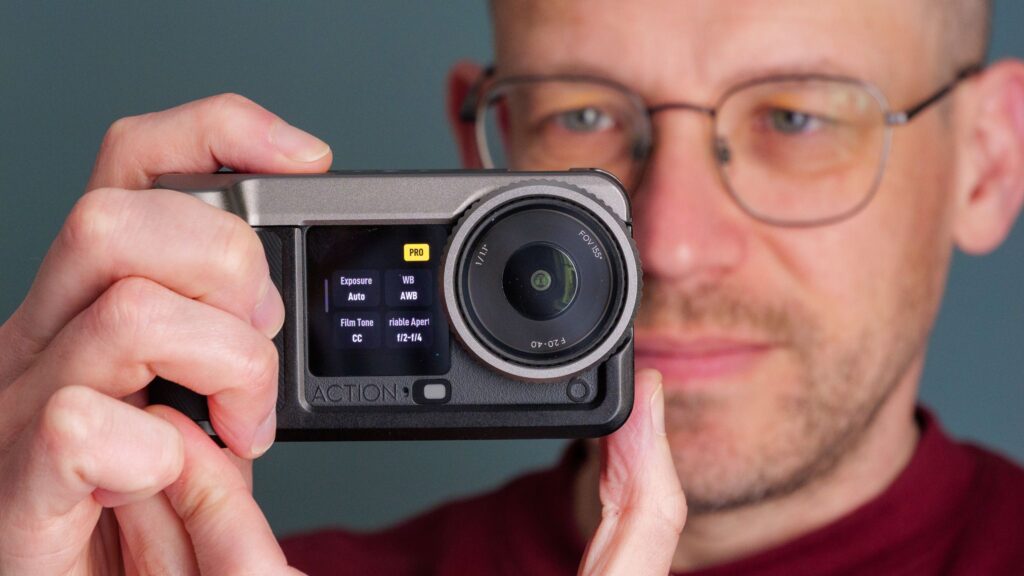
Let me be upfront: I’m not a typical action camera user, despite reviewing them for a living. I have always been more interested in photography, and in general walkaround photography.
I own a DJI Osmo Action 6 and I think it’s a very capable little camcorder for vlogging and sports shooting, but the thought of using it for street photography had never crossed my mind. Action cameras work best strapped to helmets or surfboards, not hand-held while wandering around a city in search of interesting faces, scenes, and lights. The form factor alone makes the whole experience feel wrong: too small to hold comfortably; buttons that require a firm press (which can push the camera just as the shutter releases); it’s a photography experience that feels about as intuitive as taking snapshots with a bar of soap.

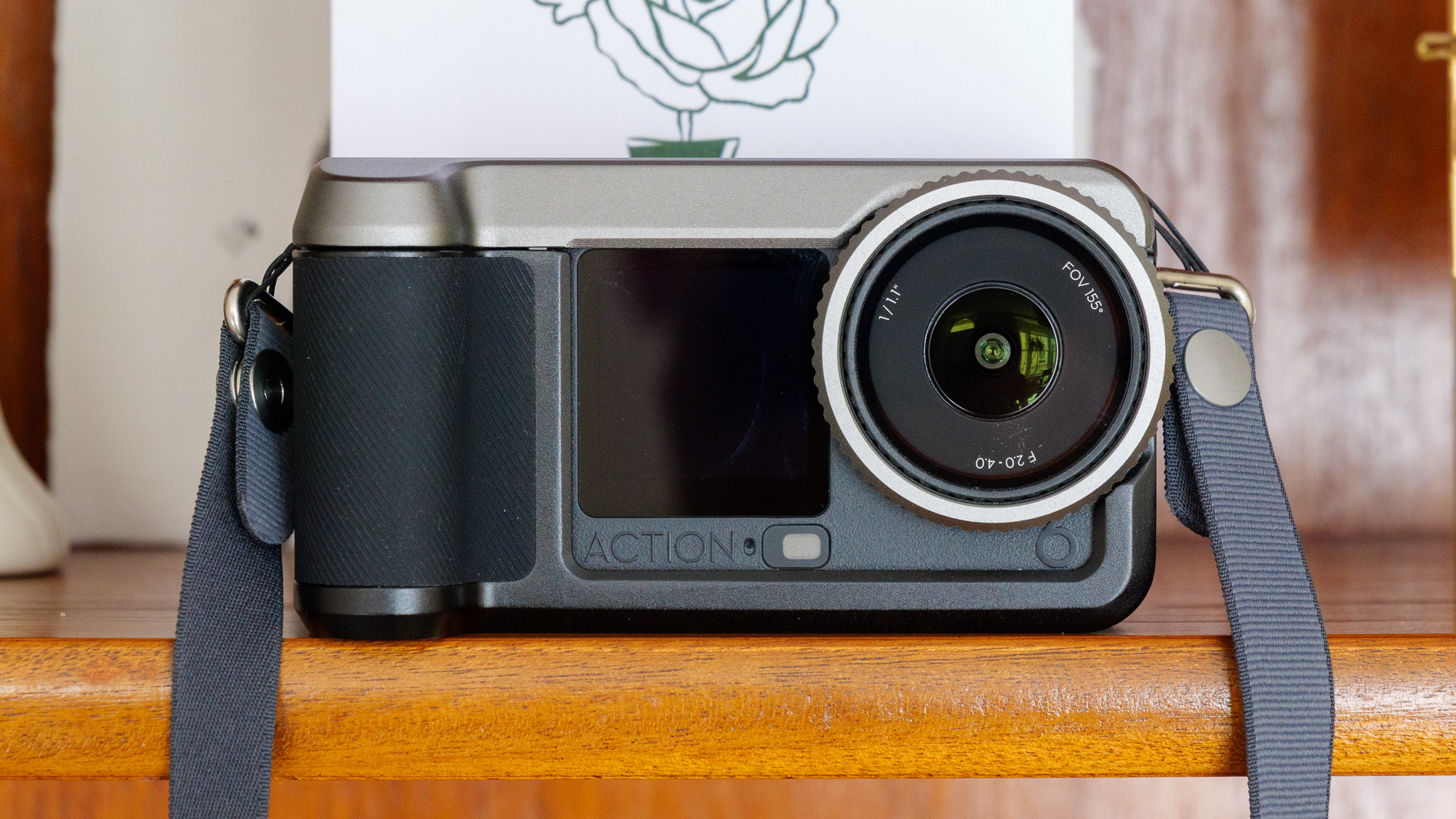
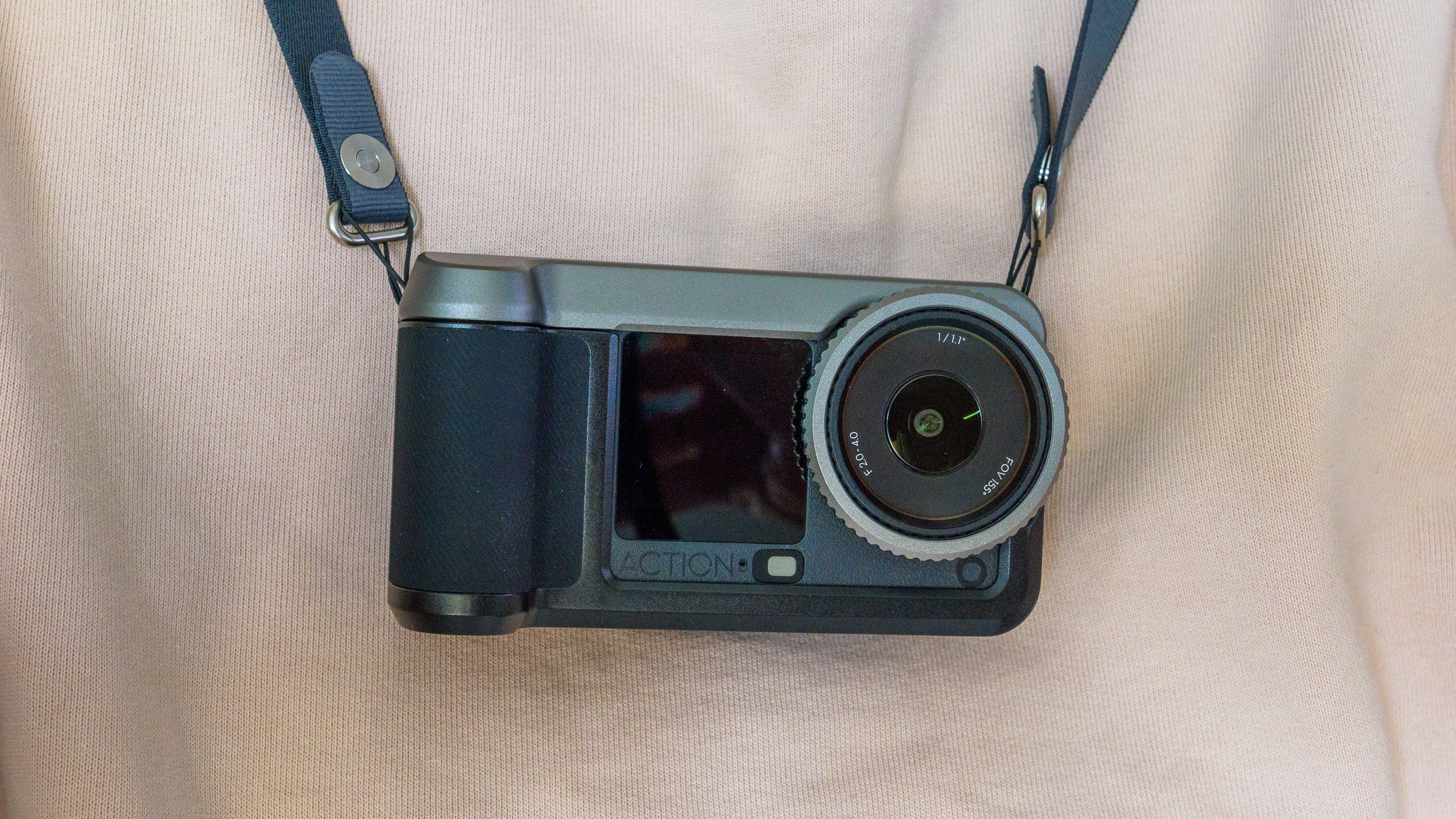
The cage (which costs $59.49 / £63.90 / AU$109.90) is a surprisingly elegant piece of design for what on paper sounds like a purely utilitarian product. The black body with silver trim is unapologetically retro and it looks lovely – the kind of thing that would attract compliments rather than confused looks when you’re out and about.
More importantly, it feels good in my hand. The contoured, rubberized grip places the user’s index finger naturally over a large orange shutter button, and the whole thing is substantial enough to hold with confidence without adding enough bulk to make it awkward. I took the setup on a long weekend to East Sussex and over several outings it slipped into my jacket pocket between shoots without a hitch.
There are also some smart practical touches here. A hollow section inside the grip can store an extra Osmo Extreme Battery Plus, increasing the Action 6’s already formidable battery life. A cold shoe mount and two 1/4″-20 threaded holes (one on top, one on the bottom) also offer plenty of expandability—I didn’t attach anything extra during my testing, but the tripod mount on the base in particular feels like it expands what this little camera can do significantly.
Picture 1 of 6
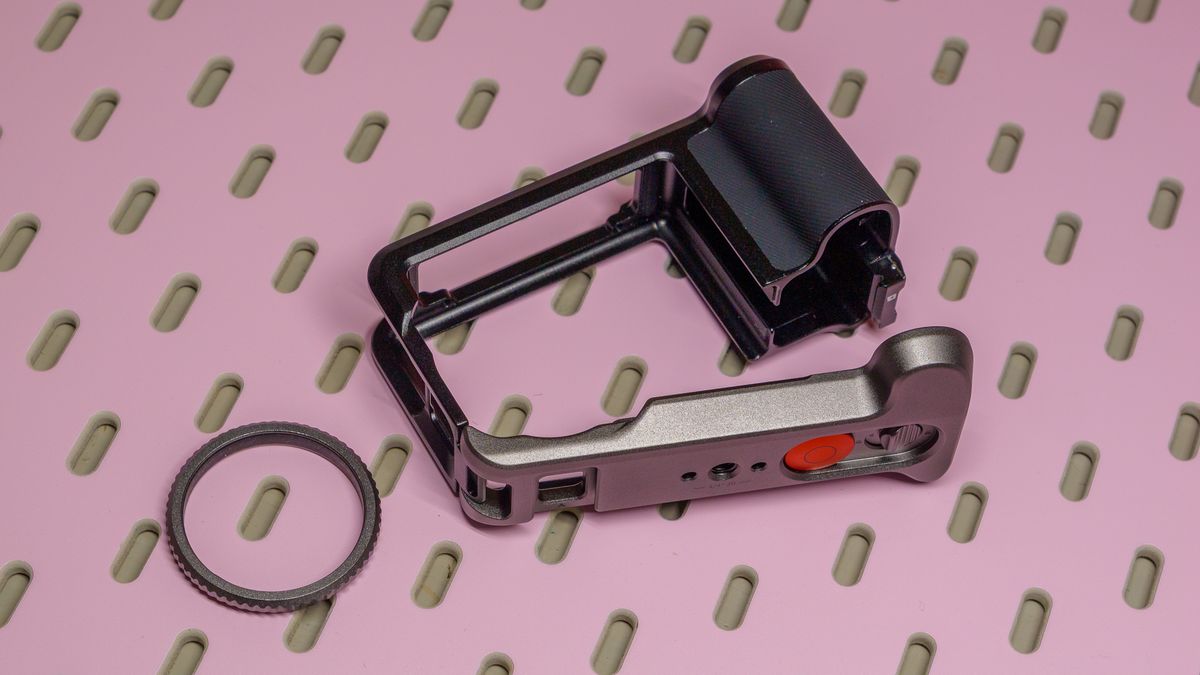
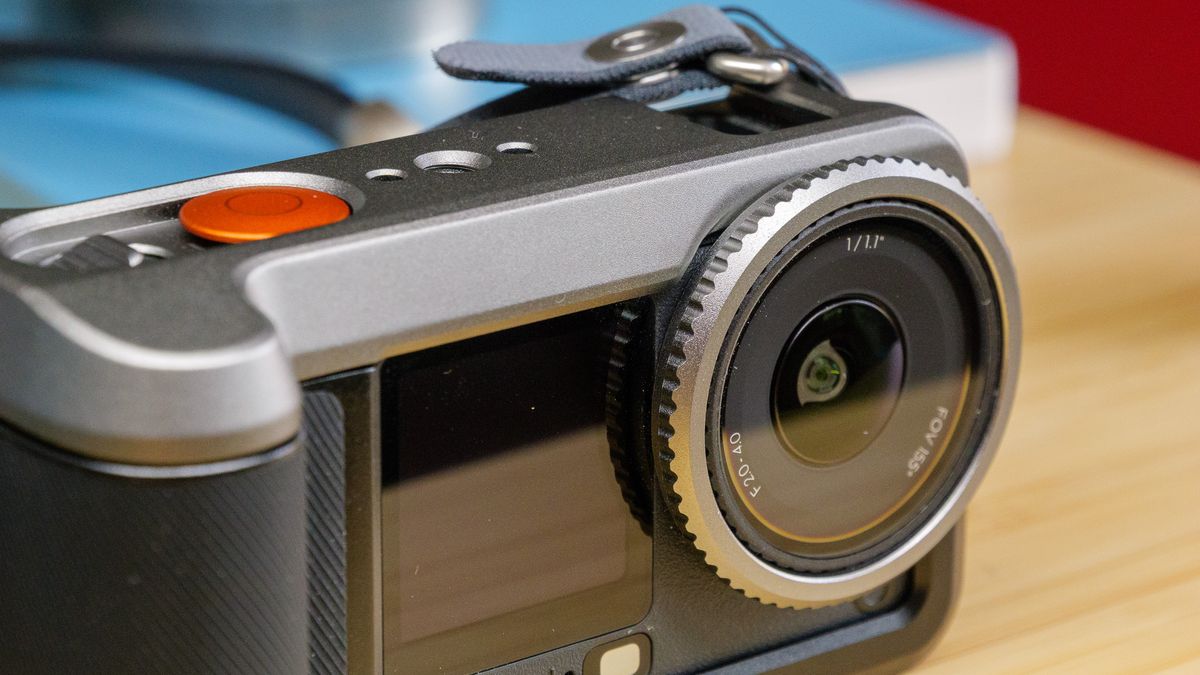
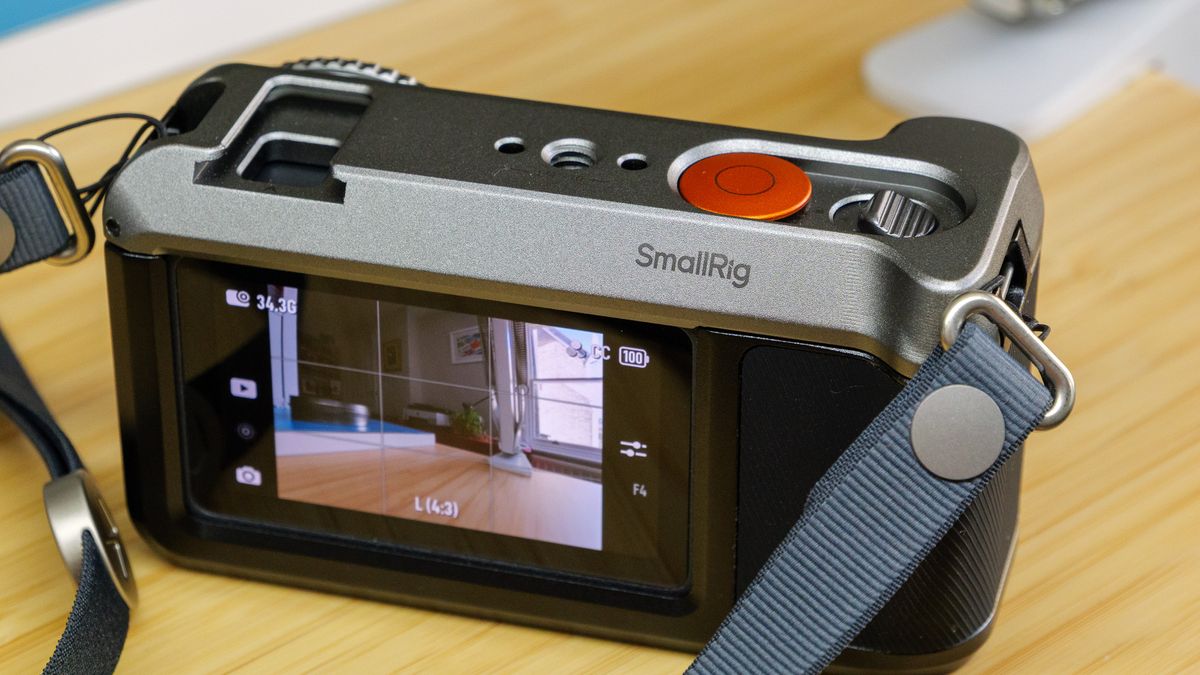
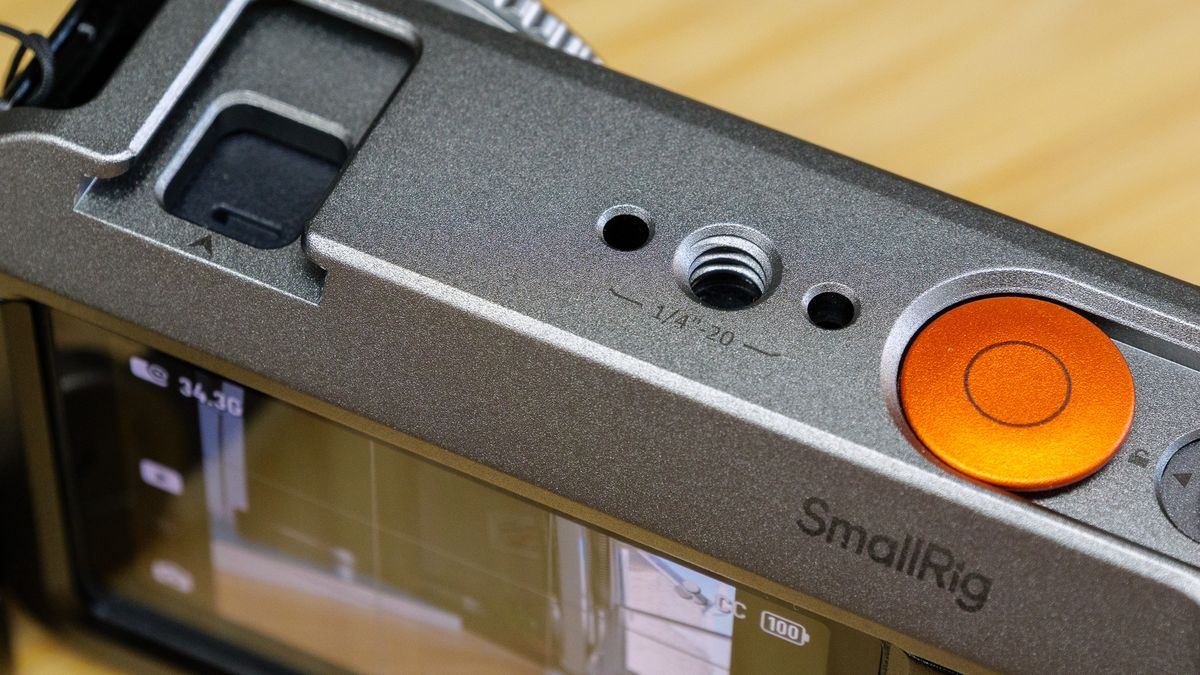
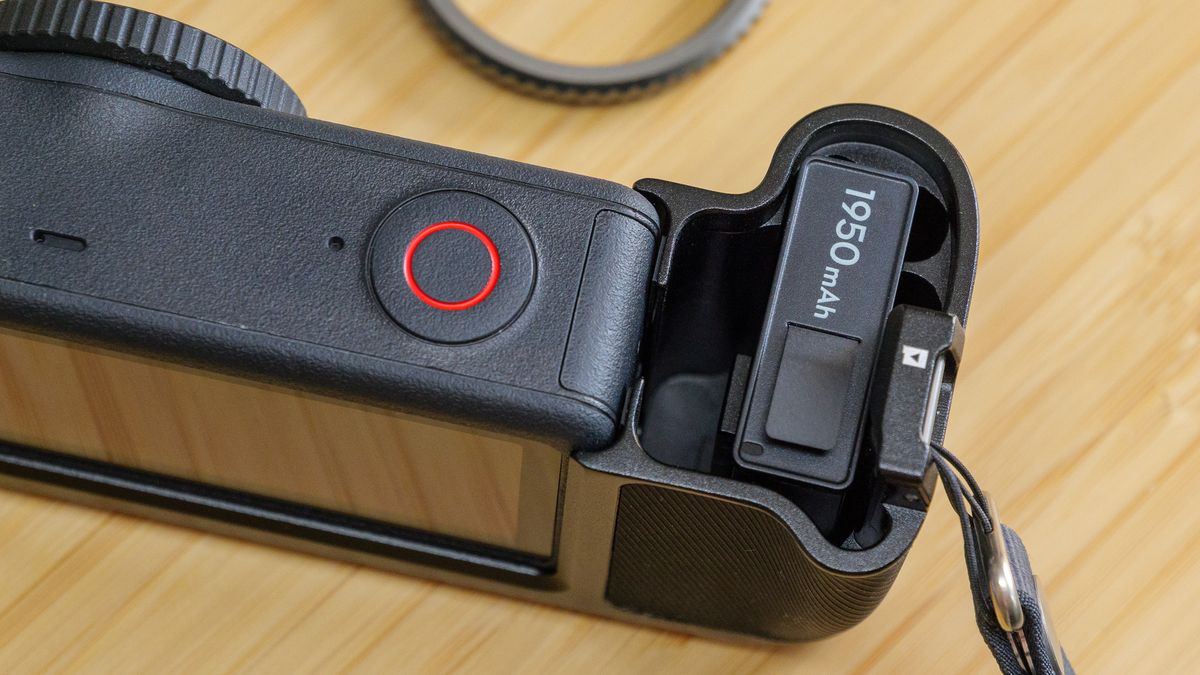
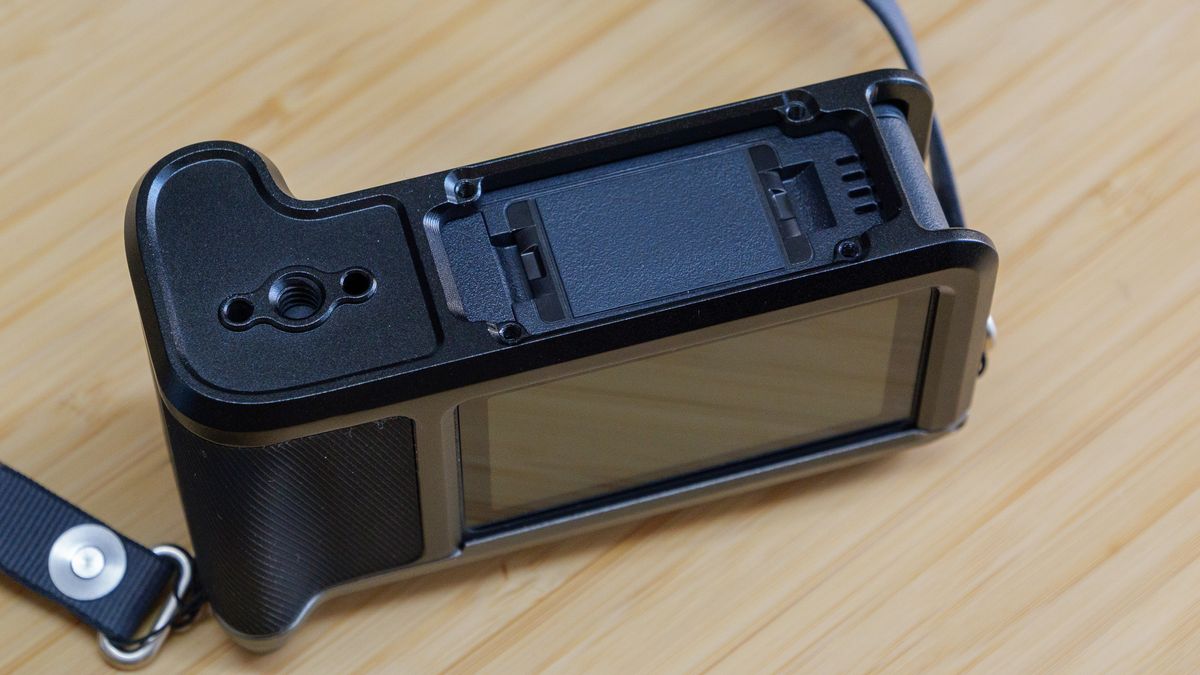
DJI’s own mounting points on the camera base also remain accessible through the cage, which is a thoughtful touch. I was even able to use DJI’s optional Osmo Action 6 Macro Lens or FOV Lens attachments with the cage attached, though I had to do without SmallRig’s own included lens protector. It’s not a big problem, honestly: it looks nice, but feels more like an aesthetic accessory than a functional one.
The cage also comes with a robust shoulder strap which is adjustable. It works perfectly as a cross-body or shoulder strap, and you can also shorten it enough to wrap around your neck like a classic point-and-shoot neck strap.
Does it actually take better pictures?
No – but it never would. Image quality is identical to shooting with the uncaged Action 6 because the sensor and lens have not changed. What has changed, and changed dramatically, is the shooting experience. The button travel problem that plagues handheld action camera photography is solved here: you now press a proper shutter button with a reassuring amount of feedback, rather than bumping into a shallow rubbery tip and hoping the camera doesn’t shift at the moment of shooting. It sounds like a small thing, but it makes a huge difference.
Picture 1 of 8



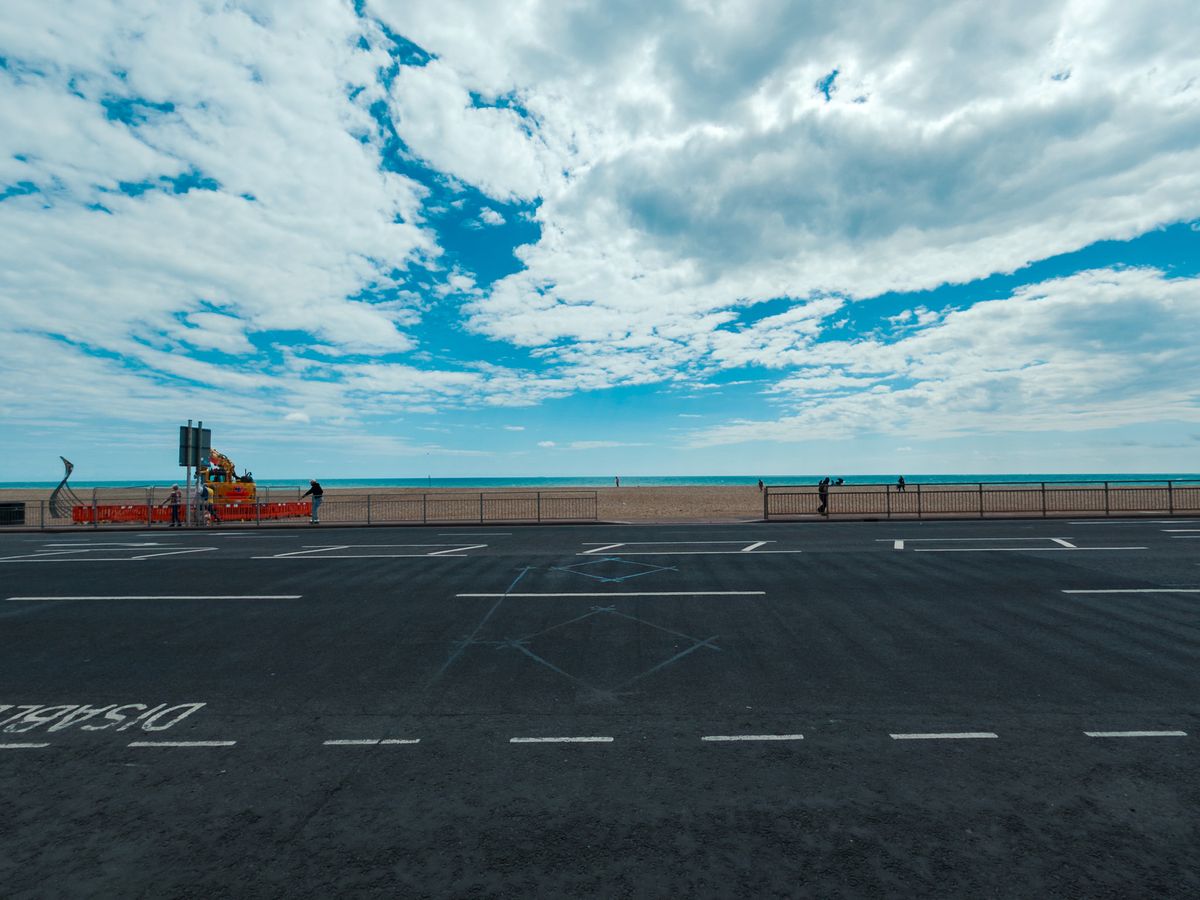
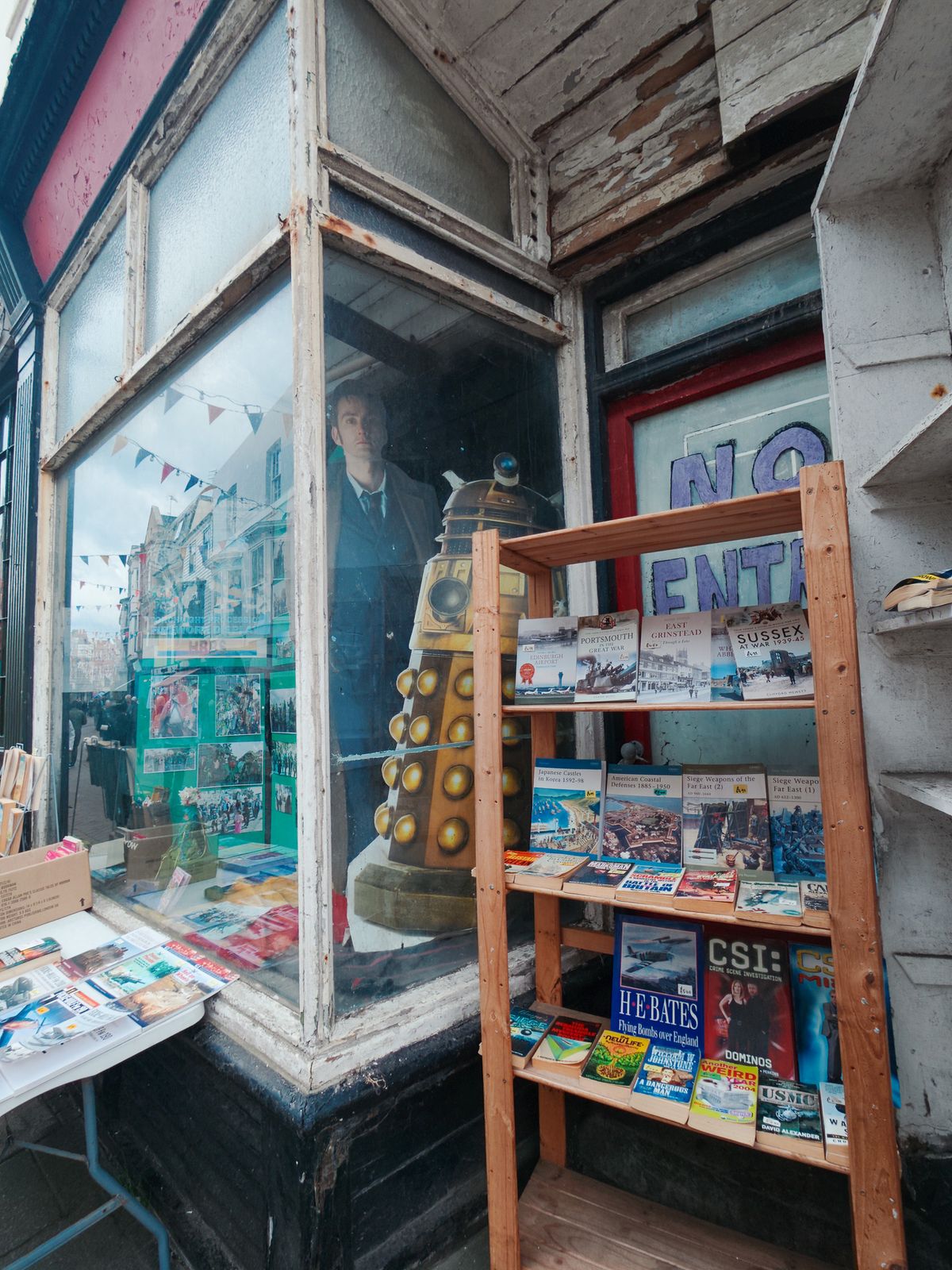

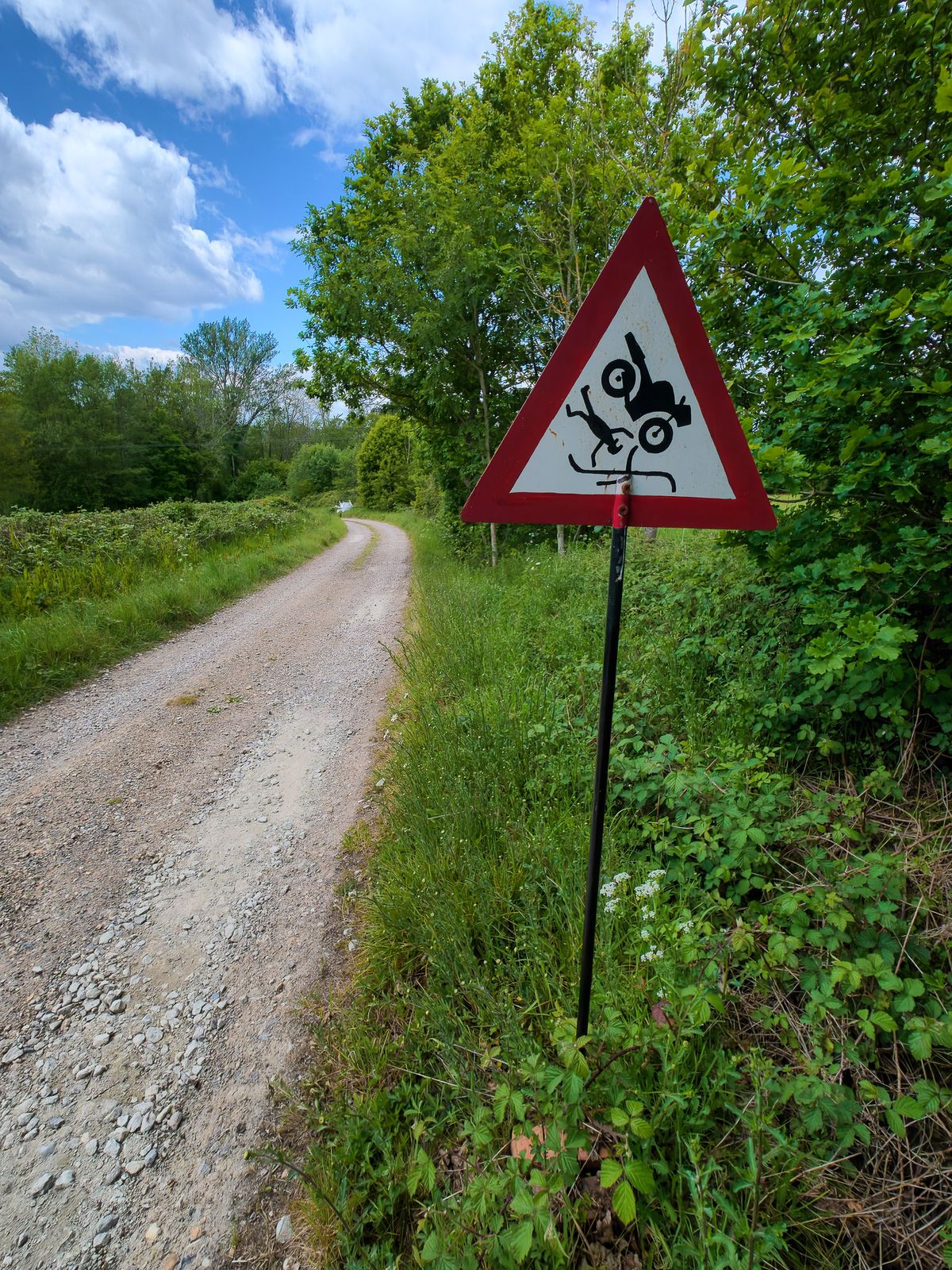

I’ll be honest about one limitation: there’s no viewfinder, and for someone like me who’s always found composing images through a screen a bit unsatisfying, it dulls the experience a bit. The Osmo Action 6 in its cage isn’t going to replace a Fujifilm X100VI, a Ricoh GR IV or a Leica M EV1 – these cameras offer a fundamentally different experience with far more manual control and, yes, better image quality. What it compares to is shooting on a smartphone. It is more comfortable, more tactile and – thanks to the retro-leaning design – considerably more discreet. While I was using it on the street, no one gave it a second glance.
Picture 1 of 6



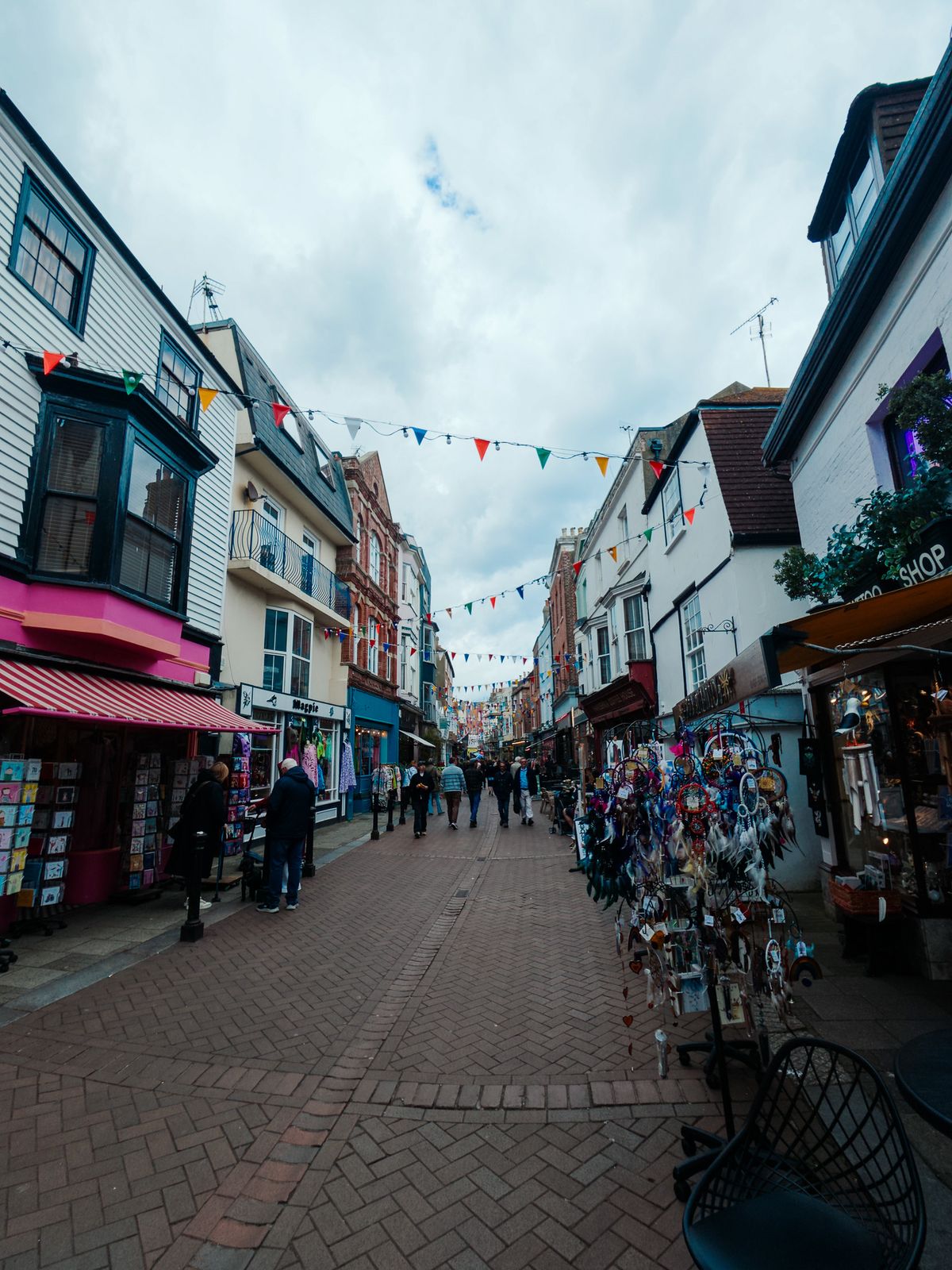


If you already own a DJI Osmo Action 6 and you’ve ever wanted to use it for something other than action filming or vlogging, SmallRig’s cage is a transformative addition. It won’t turn your action camera into Henri Cartier-Bresson’s Leica. But it may well make it something you use much more often.

Follow TechRadar on Google News and add us as a preferred source to get our expert news, reviews and opinions in your feeds.


