
Shops, markets, malls, bazaars, grocery stores, Kiryana shops close at 21.00 every day of the week
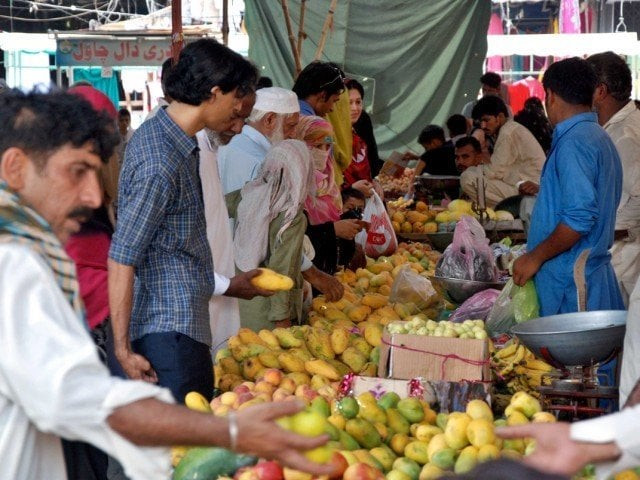
As many as 8,511 shops and businesses in 1,698 markets were raided by price control magistrates across the province. PHOTO: SHABBAZ MALIK
The federal government on Wednesday revised business and commercial closing times nationwide, allowing most stores, markets and restaurants to stay open later as summer daylight hours lengthen and temperatures rise.
According to a statement issued by the Cabinet Department, Prime Minister Shehbaz Sharif approved the revised timetables with immediate effect, partially easing restrictions introduced under fuel conservation and austerity measures announced in April.
As per the revised schedule, shops, markets, malls, bazaars, department stores, grocery stores and Kiryana shops will close at 21.00 on all days of the week, including weekends.
Marriage halls, marquees and other places hosting festive events will be allowed to function till 10 p.m., while restaurants, cafes, eateries and takeaways, along with independent fruit and vegetable shops, may remain open until 10 a.m. 23.00. Takeaway and home delivery will remain exempt from the closing time restrictions.
The notification also exempted pharmacies, medical shops, laboratories, clinics and hospitals from the prescribed timings. Freestanding bakeries, tandoor, milk and dairy shops, fuel and CNG stations, EV charging facilities, gyms, sports facilities, padel courts, IT companies and call centers have also been exempted.
Provincial and regional governments have been advised to implement the new schedules accordingly. The revised timetables replace previous restrictions imposed under the government’s fuel saving policy aimed at reducing energy consumption and managing fuel costs.
Read: ICT imposes early closing of markets
The cuts came after a sharp escalation in tensions between Iran, Israel and the United States disrupted global energy markets. Following military exchanges and Iran’s subsequent closure of the Strait of Hormuz, international oil prices rose, driving up Pakistan’s import bill and putting pressure on domestic fuel prices.
In response, the government raised oil prices several times, with the sharpest increases recorded in April. Officials said the adjustments were necessary to reflect higher international oil prices and ensure fuel supplies remained uninterrupted.
In March, the federal government introduced a series of austerity measures across Punjab, Khyber-Pakhtunkhwa, Balochistan, Islamabad, Gilgit-Baltistan and Azad Jammu and Kashmir to curb fuel consumption and reduce energy costs. These included earlier closing times for markets and commercial centres, an extra weekly holiday for government offices, cuts in free fuel allocations for ministers and restrictions on the use of official vehicles.
The restrictions were temporarily eased ahead of Eid, but were reinstated from April 1 as the government tried to deal with the impact of the ongoing fuel crisis.


