
- Samsung Galaxy Watch users will get a completely redesigned health app with new features
- These new features include Vitals, Cardio Load and a dedicated heart health score
- The app is now AI-first, designed to turn Galaxy Watches into ‘AI-powered health companions’
Samsung Galaxy Watch and Samsung Galaxy Ring users are going to see some big changes in the Samsung Health app. Touted as ‘a new experience’ by Samsung’s press materials, the redesigned health app features new metrics and AI-powered summaries to break it all down for you.
Samsung says the new app ‘uses artificial intelligence to translate overnight biometric data into personalized health guidance that helps users better understand everything from recovery and heart health to training load and overall well-being’.
It sounds familiar. Fitbit also recently underwent a complete AI-first redesign, including a name change to Google Health. It hasn’t all been sunshine and roses, as many Fitbit users intensely dislike the forced pivot to AI, with what was Fitbit Premium now all about its new AI Google Health Coach tool.

Samsung Health already uses AI in the background, such as using machine learning to calculate statistics like your energy score, but this redesigned app also moves generative AI to the forefront. The timing of this move is likely to draw serious ire from Samsung users.
Don’t panic, Samsung users
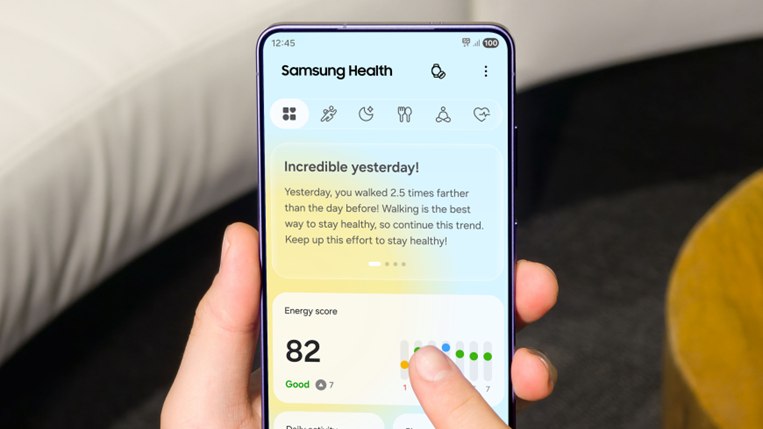
Fortunately, it’s not as bad as all that, despite Samsung’s similar AI-forward announcements and app redesigns, so Galaxy Watch users can put down their pitchforks (for now). First, Samsung hasn’t introduced a paywall for Samsung Health; otherwise there would be riots in the streets.
Second, upon closer inspection, the redesign is also a little less drastic than Google’s: instead of being entirely oriented around an AI chatbot, as Google Health has chosen to do, Samsung has instead decided to use GenAI to summarize and explain your metrics and add new ones, allowing the user to drill down into different aspects of their health in more detail.
I’ve listed all the new metrics below. Existing tools like Samsung’s Sleep Score, Energy Score, and Antioxidant Index remain, and Samsung hasn’t announced it’s removing any features — again, unlike Fitbit and Google, which removed features like badges and challenges.
I have listed all the new features below. Each of these features will get contextual AI summaries that explain what the numbers mean and, where necessary, how to improve them.
- Vitals: Similar to Apple Health’s function, Vitals will analyze ‘five key nocturnal biosignals – heart rate, heart rate variability, respiratory rate, skin temperature and blood oxygen – relative to their true resting baseline’. Essentially, Samsung will notify you if one or more of these readings are abnormal, indicating that you may be getting sick.
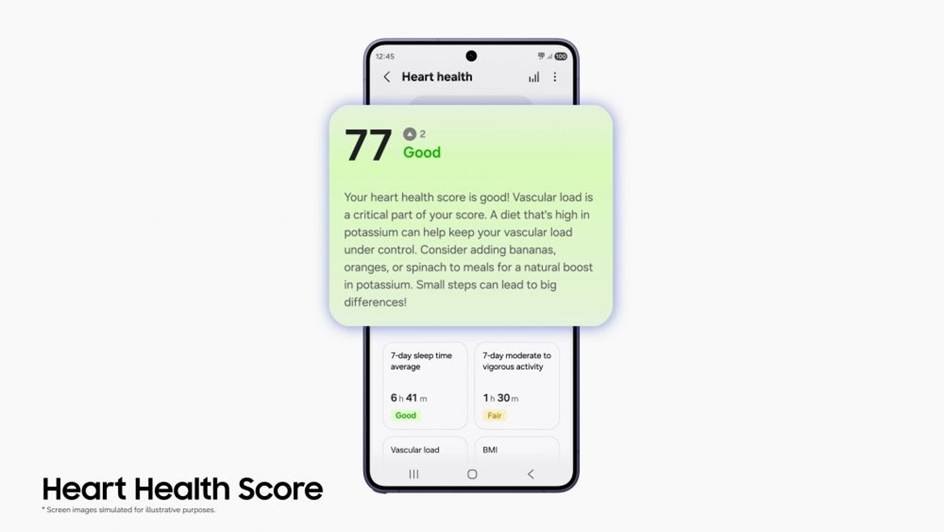
- Heart Health Score: By combining Samsung’s Vascular Load metric with the Body Composition features of its watches, which can measure muscle and fat in the same way as the best smart scales. If you have low vascular stress and a body fat percentage within the range, your heart health score is likely good.
- Daily cardio load: Accumulated load based on recent cardiovascular exercise such as running and cycling. Will contribute to your energy score.
- Fitness Index: A radar chart with five different metrics (strength, flexibility, endurance, cardio, body composition). Weirdest So Far: How Samsung intends to measure flexibility with a Galaxy Watch is still a mystery to me. I have contacted Samsung to clarify this.
The timing of this upgrade is certainly interesting: reports recently surfaced of a Samsung Galaxy Fit 4 that, when paired with this AI-powered Samsung Health upgrade, would be a real Google Fitbit Air challenger.

Follow TechRadar on Google News and add us as a preferred source to get our expert news, reviews and opinions in your feeds.


