
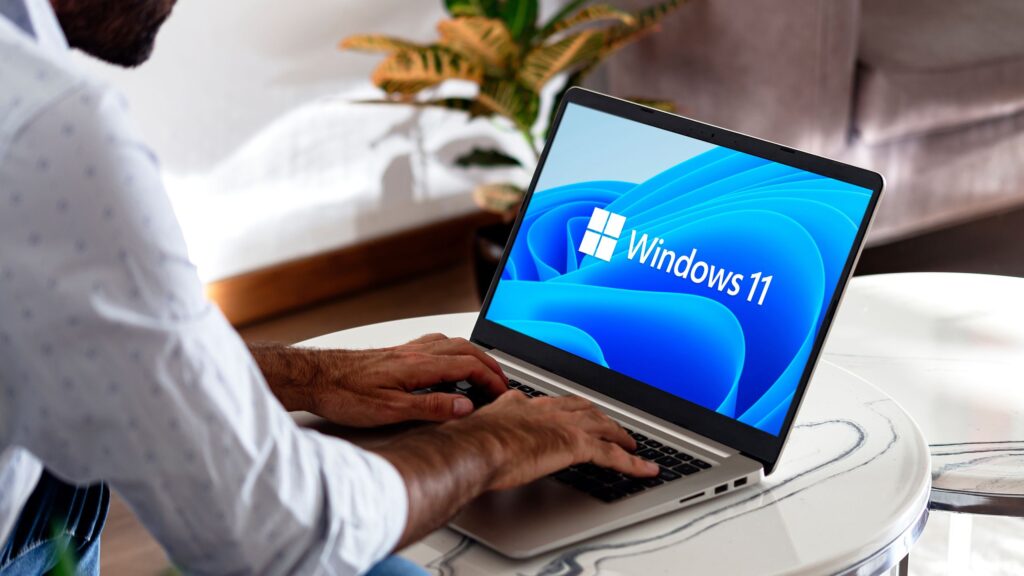
- There has been a resurgence of 8GB laptops around Computex
- This is due to price pressure from the component crisis
- Windows 11 laptop makers follow in MacBook Neo’s footsteps – but is it wise?
If you thought 8GB laptops were becoming a thing of the past, think again, because there is now something of a resurgence in notebooks with this RAM load – and you can probably guess why.
Yes, this is due to the RAM crisis, where system memory is now much more expensive, which means that notebook manufacturers who want to keep prices more affordable are bringing back more 8GB units in the mid-range. (Whereas previously in this space we actually saw 16GB as the bare minimum.)
Tom’s Hardware noted the trend at Computex (with this practice creeping in before the show), pointing out that the new Dell XPS 13 — an impressively special, affordable notebook — starts at 8GB for the entry-level model (though you can buy it with 16GB, of course).

Other recently revealed notebooks with 8GB of RAM include the Acer Swift Air 14 — which, like the baseline Dell XPS 13, is built around Intel’s new Wildcat Lake silicon — and the Chuwi UniBook (notably priced under $500).
Microsoft’s Surface Laptop for Business 13-inch, unveiled last month, also starts at 8GB, which was a bit of a shock – mainly because it means this entry-level device doesn’t qualify as a Copilot+ PC (they need 16GB).
What set the stage for all this was of course the MacBook Neo, which appeared with 8GB of memory at a temptingly affordable price. Neo has been very successful, so much so that the rumor mill believes that Apple has doubled the production of its new MacBook for this year (from 5 million to 10 million units – earlier speculation that was backed up this week).
Now we’re seeing Intel Wildcat Lake chips and 8GB configurations being used to produce more attractively priced Windows 11 laptops, and this isn’t limited to Intel’s silicon either. Qualcomm’s new Snapdragon C (arm-based) CPU is going to power affordable Windows 11 notebooks that are likely to run with 8GB of RAM, the Acer Aspire Go 15 being one of them.
Analysis: Looking to the future

The return of more 8GB laptops is not a surprise. In fact, that’s exactly what was predicted to happen in 2026. It’s going to be a lot harder for laptop manufacturers to keep prices down, what with the cost of a lot of components going up – especially storage and RAM – so the easiest way to keep price tags more affordable is to cut the latter.
And yes, there is room to cut down to 8GB of system memory. A laptop with this loadout can still work just fine, provided you only do basic day-to-day tasks (emails, web browsing, watching videos, and light document work).
The MacBook Neo proved it can handle all of this with aplomb, while being a surprisingly premium-looking device to boot. Windows 11 laptops can do the same – albeit with some more difficult headroom issues caused by the operating system, although Microsoft is actively trying to reduce these performance issues with its fix Windows 11 campaign this year.
All in all, I’d say it’s okay to buy a Windows 11 laptop with 8GB of RAM if you’re just doing basic computing tasks – for now. And there’s the problem for me: future-proofing concerns, as discussed in my post at the start of the year about whether 8GB is enough for a laptop in 2026.
How long do you want your laptop to last you? I bet you want five years out of the device, otherwise you can hope for even longer. So while 8GB is enough for basic tasks right now – almost – it’s likely to start feeling increasingly inadequate before too long, especially if AI starts to play a more prominent role in the day-to-day running of an OS (and all bets indicate it will). And with laptop RAM soldered to the motherboard (in the vast majority of cases), it’s not like you can upgrade the memory.
The other argument is that you don’t need to buy an 8GB laptop; you can go for 16GB – but some people will want the option to go cheaper as their notebook budget may require this. And that’s fair enough – I agree that more choice is good. All I’d say is just keep the future proof aspect in mind and push for a bit more memory with a Windows 11 device if you can.
What will also be interesting to see is if more 12GB loadouts appear as a mid-range option, giving more breathing room over an 8GB machine.

Follow TechRadar on Google News and add us as a preferred source to get our expert news, reviews and opinions in your feeds.
The best laptops for all budgets


