
- AirPods finally get a universal custom EQ
- You will be able to see the results live while a song is playing
- It’s set to arrive in iOS 27, as part of AirPods’ settings screen
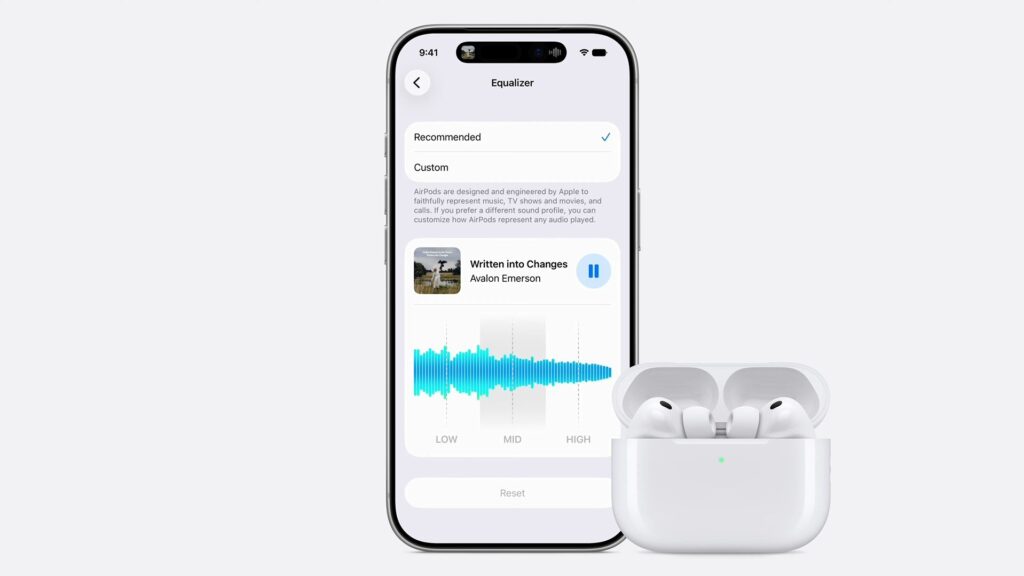
Apple has just announced that one of the long-requested features from AirPods users is finally coming as part of iOS 27: a custom EQ. Announced during the WWDC 2026 keynote, Apple didn’t reveal all the details of the feature, but we got a first glimpse.
There will be a screen similar to the image at the top of this page and if you press ‘Custom’ then a blue line is superimposed on the frequency graph. You seem to be able to move the blue line to increase or decrease the frequency bands.
There’s a live waveform playing, so it looks like you’ll be able to see the result on the sound signature live, as well as hear it, of course.

In the past it’s been possible to make some changes to the AirPods’ sound using accessibility tools, but this really isn’t designed to make subtle changes to your music profile, it’s designed for the hearing impaired to boost frequencies they struggle with.
There has also been an EQ in Apple Music, but it doesn’t help if you use another app for music, and doesn’t retain the EQ when you switch devices or other apps in general.
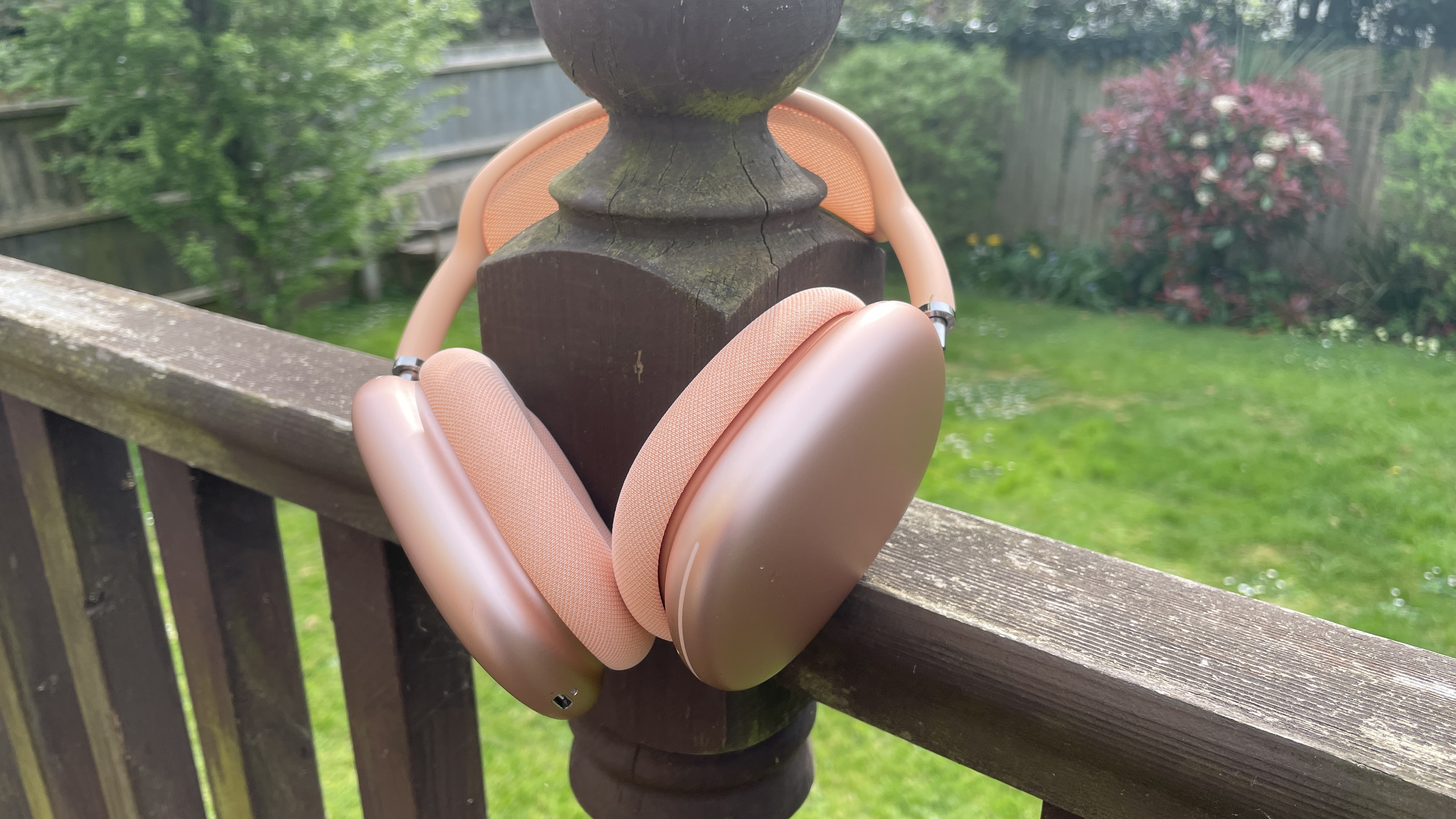
There are interesting differences in the sound of different AirPods models. The original AirPods Max are much more neutral than the AirPods Pro 3, for example, and I can easily see that some people might choose to give the over-ears a little extra poppy punch at times – or maybe just want to take a little edge off the earbuds.
However! The obvious thing missing from the images we’ve seen so far is a clear option to save presets, so the scenario I’ve described above might not be so easy. This may be in the final version of course, or there may be a way to create this using shortcuts.
However, I wouldn’t be surprised if Apple keeps this pretty basic. The screen doesn’t really encourage you to make changes: the description in the setting says: “AirPods are designed and developed by Apple to faithfully represent music, TV shows and movies, and calls. If you prefer a different sound profile, you can customize how AirPods represent any sound played.”
Still, considering the original AirPods model launched in December 2016, I’m just glad we’re finally getting it as an option at all.

Follow TechRadar on Google News and add us as a preferred source to get our expert news, reviews and opinions in your feeds.


