- Tens of thousands remain missing after devastating twin quakes.
- More than 16,000 people remain homeless in the affected areas.
- Hospitals are facing increasing strain due to concerns about disease outbreaks.
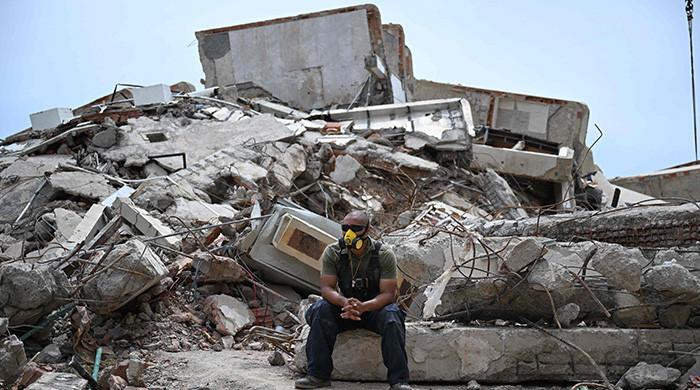
Venezuela’s devastating twin earthquakes have killed nearly 3,000, official figures showed Saturday, as international rescue teams began to wrap up search operations for survivors in the rubble.
The death toll rose by more than 300 from Friday to 2,954, following the June 24 disaster that left thousands homeless on the streets and in shelter camps.
Several tens of thousands are still missing.
One of Latin America’s worst earthquake disasters hit hardest in the coastal La Guaira area north of the capital Caracas, where dozens of residential complexes were flattened.
Ten days after the twin shocks of 7.2 and 7.5, rescue teams have begun to wrap up the search for survivors, while families are still trying to retrieve the bodies of their loved ones from the rubble.
The critical window for rescues in disasters such as earthquakes usually ends after 72 hours, although a few people have been found alive this week.
In a clear sign that rescue missions were winding down, interim president Delcy Rodriquez held a ceremony to award medals to international teams, including some to their dogs.
Venezuela is experiencing “a deep sadness gripping our people, where families still hold out hope of finding their loved ones alive, people who have lost everything,” Rodriquez said.
International disaster teams, including some U.S. teams and some South American teams, began wrapping up rescue operations, their members said Saturday.
The rescue team of the Los Angeles County Fire Department is shutting down its operations after the latest searches turned up no signs of life, and crews from Florida and Virginia were packing up to leave this weekend, their teams said.
Many Venezuelans have expressed anger at what they see as their government’s slow response to the disaster, saying families spent the first hours digging out their loved ones themselves before international teams arrived.
Rodriguez has defended his government’s response, saying thousands of soldiers and officials had been deployed.
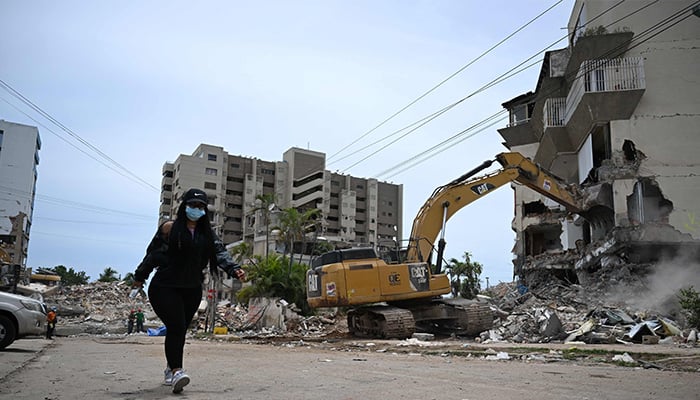
In La Guaira, workers with heavy machinery began toppling collapsed structures on Saturday, while in others families were still trying to remove the bodies of loved ones for burials.
“We’re still working, still searching for bodies. We’re still going. It hasn’t been easy,” said Venezuelan volunteer Francisco Sasquia, who helped dig out a collapsed home.
“We found two bodies that have already been released to their families.”
Many are now homeless; more than 16,000 Venezuelans have lost their homes in the earthquakes. Hospitals are stretched thin, with experts warning of the risk of disease outbreaks.
For Victor Colivert, the most important thing is to stay next to his nephew’s body, recovered from the wreckage of a building and now in a black body bag.
He fears losing it in the chaos. His family prevented coroners from taking the body away.
“If I’m going to China, anywhere, but I’m not leaving him alone,” he said. “I’ll go with him.”