NEWYou can now listen to Pakinomist articles!
FIFA making Folarin Balogun play for USA against Belgium a day before their World Cup knockout match was always going to send the soccer world into hysterics.
The situation was practically engineered for an international soccer meltdown, with a controversial red card, a one-match suspension, President Donald Trump allegedly getting involved, and the United States getting its leading scorer back just in time.
CLICK HERE FOR MORE OUTKICK SPORTS COVERAGE
But while the reaction has been high, the central claim of some critics – that FIFA has just invented a brand new loophole for the Americans – is not entirely correct.
Folarin Balogun of the United States celebrates their first goal during the FIFA World Cup 2026 Round of 16 match against Bosnia and Herzegovina in Santa Clara, California. (Phil Noble/Reuters via Imagn Images)
Balogun was initially expected to miss Monday’s round of 16 match after receiving a red card in the Americans’ win over Bosnia and Herzegovina. The card came after a VAR review determined that Balogun had stepped on the ankle of Bosnian defender Tarik Muharemovic.
The call was controversial from the start. US coach Mauricio Pochettino said it was unfair and midfielder Weston McKennie questioned the decision after the game.
“Obviously the referee made a decision that he made, but I think it’s questionable,” McKennie said. “I think there have been many other plays like that throughout the tournament on other players that weren’t given a card at all. It’s disappointing.”
Balogun later said he believed a yellow card “would have been fair.”
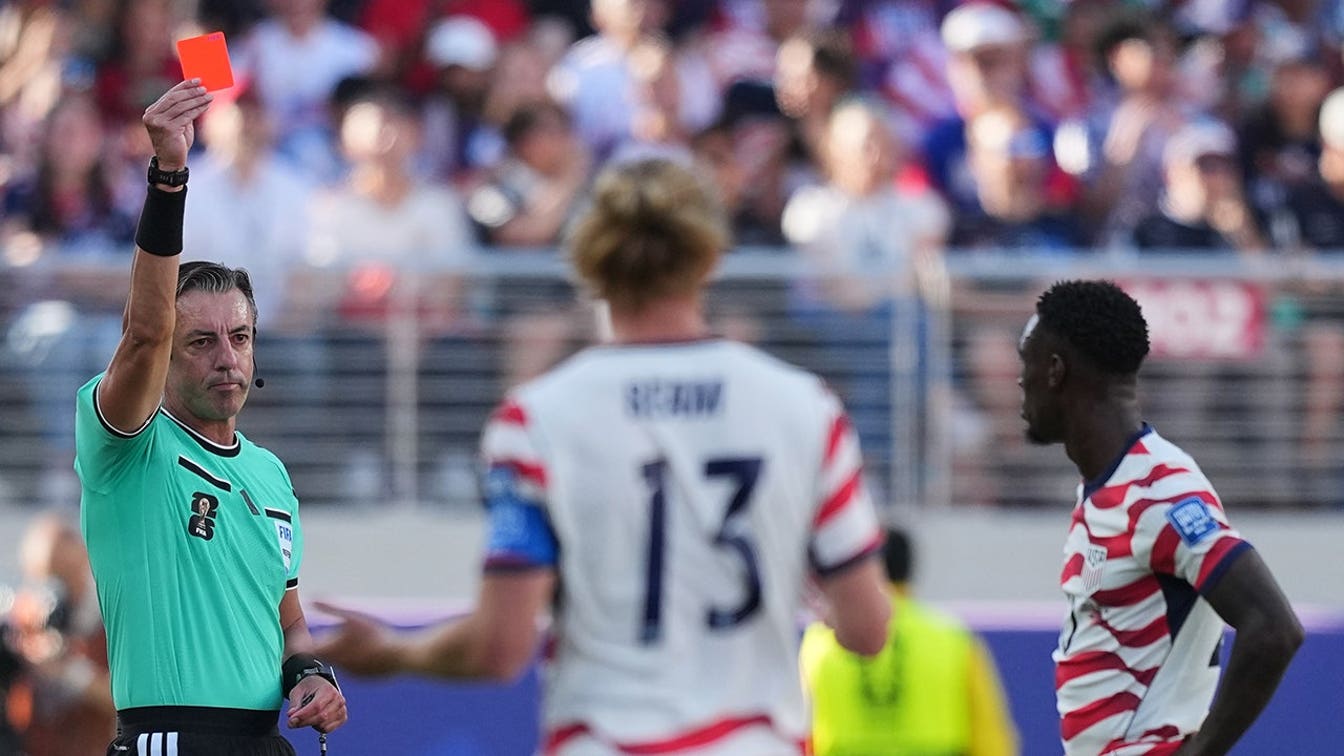
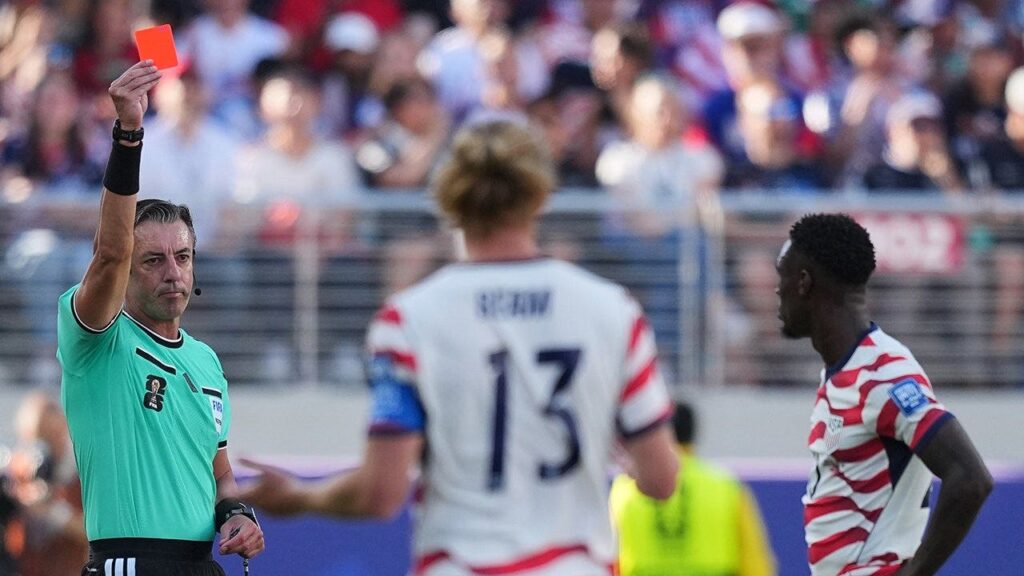
Referee Raphael Claus of Brazil shows a red card to USA’s Folarin Balogun, right, during the World Cup Round of 32 soccer match between the USA and Bosnia in Santa Clara, Calif., near San Francisco, Wednesday, July 1, 2026. (AP Photo/Julio Cortez)
Still, under FIFA rules, a red card triggers an automatic one-match ban. Therefore, Balogun was expected to be unavailable against Belgium.
Then FIFA stepped in.
TRUMP CALLED FIFA PRESIDENT TO REVIEW Folarin BALOGUN’S RED CARD BEFORE USA-BELGIUM MATCH, SOURCE SAYS
The governing body suspended the implementation of Balogun’s automatic suspension for a trial period of one year, meaning he is eligible to play on Monday night. If Balogun receives another red card during this probationary period, the suspended sanction can be enforced along with any additional punishment.
Europe naturally handled this decision with great calmness and perspective.
Just kidding.
Belgium’s confederation said it was “surprised”. UEFA claimed that FIFA had “crossed a red line”. Former FIFA president Sepp Blatter wrote: “Red cards are not overturned by political phone calls. They are overturned by rules, evidence and independent bodies.”
The last part sounds fine. It also leaves out the inconvenient detail that FIFA relied on an actual rule in its disciplinary code.
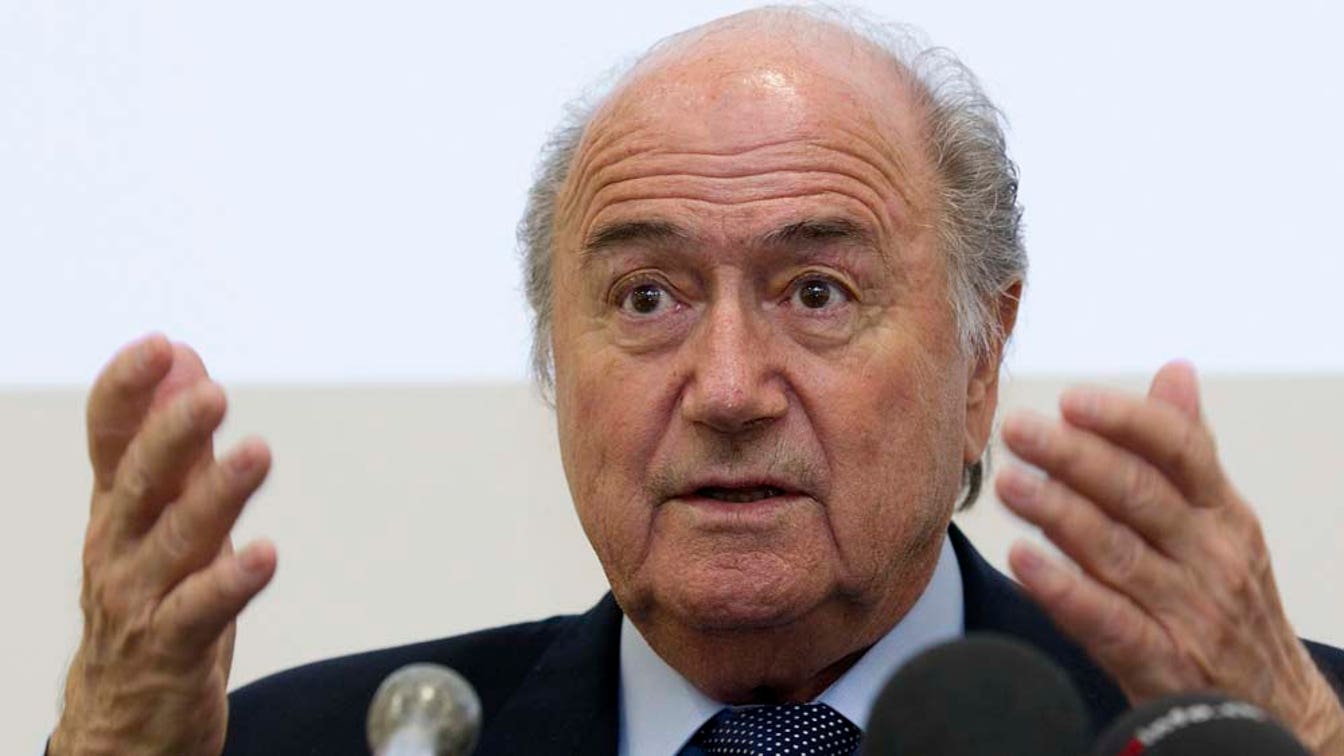
Former FIFA President Joseph “Sepp” Blatter speaks about the 2010 South Africa World Cup and the next FIFA World Cup in Brazil during a press conference at the Geneva Press Club in Geneva, Switzerland. (AP Photo/Keystone/Salvatore Di Nolfi)
As OutKick previously reported, FIFA cited Article 27, which allows a court to “suspend, in whole or in part, the implementation of a disciplinary measure.” In other words, FIFA did not necessarily erase the red card. It has just suspended enforcement of the automatic ban.
This is where the “unprecedented” argument starts to fall apart. Because FIFA has recently applied the same basic mechanism to a much bigger name: Cristiano Ronaldo.
Ronaldo received a red card against Ireland in a 2025 World Cup qualifier, initially putting him at risk of missing World Cup matches for Portugal. Instead, FIFA used Article 27 to suspend part of his punishment. Ronaldo served one game in a pre-tournament game, while the remainder of the suspension was delayed during a probationary period.
So if the argument is that FIFA has never used this disciplinary flexibility to help a star player avoid missing a big World Cup game, that is simply not true.
The Balogun case is obviously not identical to Ronaldo’s. Ronaldo’s red card came in qualifying and Balogun’s came during the World Cup itself.
But “different” and “unprecedented” are not the same.
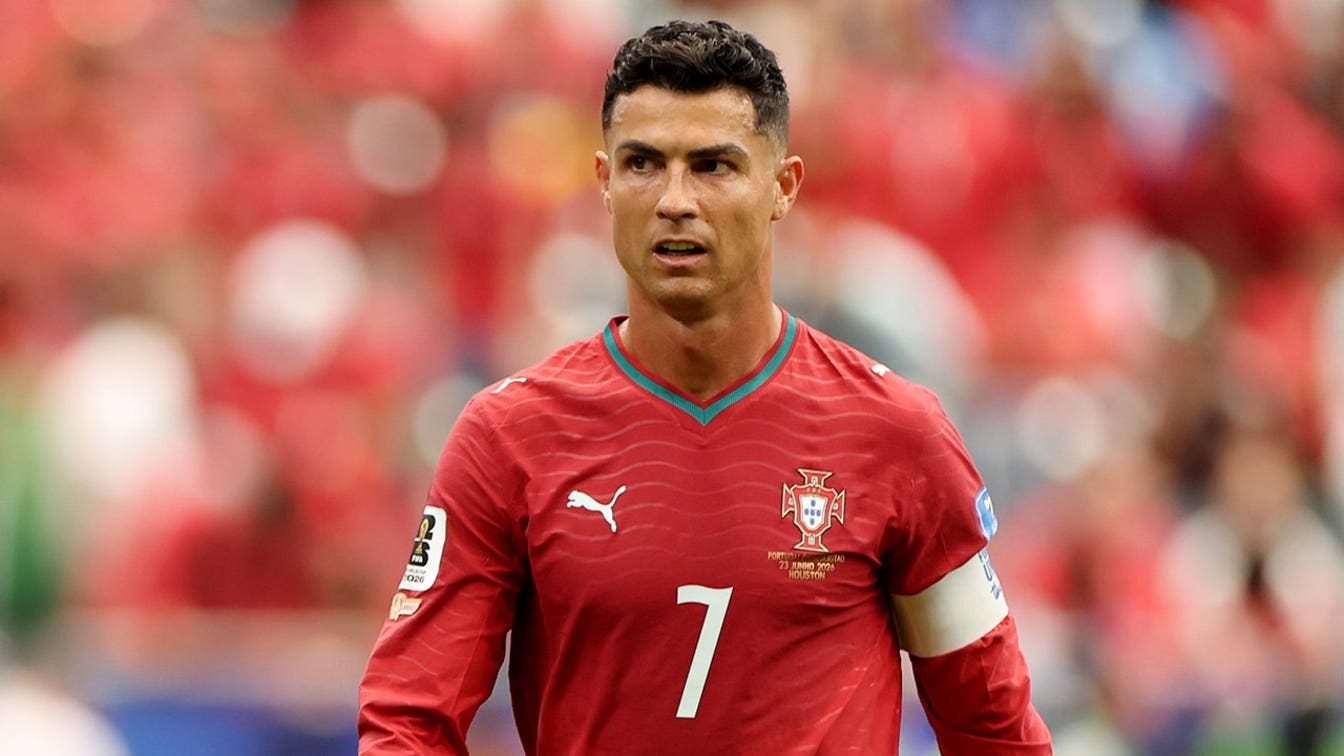
Cristiano Ronaldo of Portugal reacts after the first half during the FIFA World Cup 2026 Group K match between Portugal and Uzbekistan at Houston Stadium in Houston, Texas on June 23, 2026. (Charlotte Wilson/Getty Images)
Ronaldo is the most obvious comparison to Balogun, but FIFA’s suspension rules have not been nearly as rigid as the outrage suggests. Ecuador’s Moises Caicedo and Argentina’s Nicolas Otamendi also avoided carrying pending penalties into the World Cup.
While these cases were not the same as Balogun’s Article 27 situation, they show that FIFA’s disciplinary system is not set solely to benefit the United States.
There is also older World Cup history of a red card not automatically leading to a player missing the next game. At the 1962 World Cup, Brazilian star Garrincha was sent off in the semi-final against Chile. At the time, red cards did not automatically trigger suspensions the next match, as they do now. A disciplinary panel reviewed the case and let him off with a warning so he could play in the final.
Brazil won.
Again, that does not make the Garrincha case identical to Balogun’s. Soccer’s disciplinary rules have changed drastically since 1962. But it undermines the idea that a player being sent off and still available for the next World Cup match is an American conspiracy never seen before.
The real issue here is not whether FIFA had a rule available. It did it. The real problem is the optics.
Trump reportedly called FIFA president Gianni Infantino after the match and urged FIFA to review the red card. He later thanked FIFA for “doing the right thing and reversing a great injustice!”
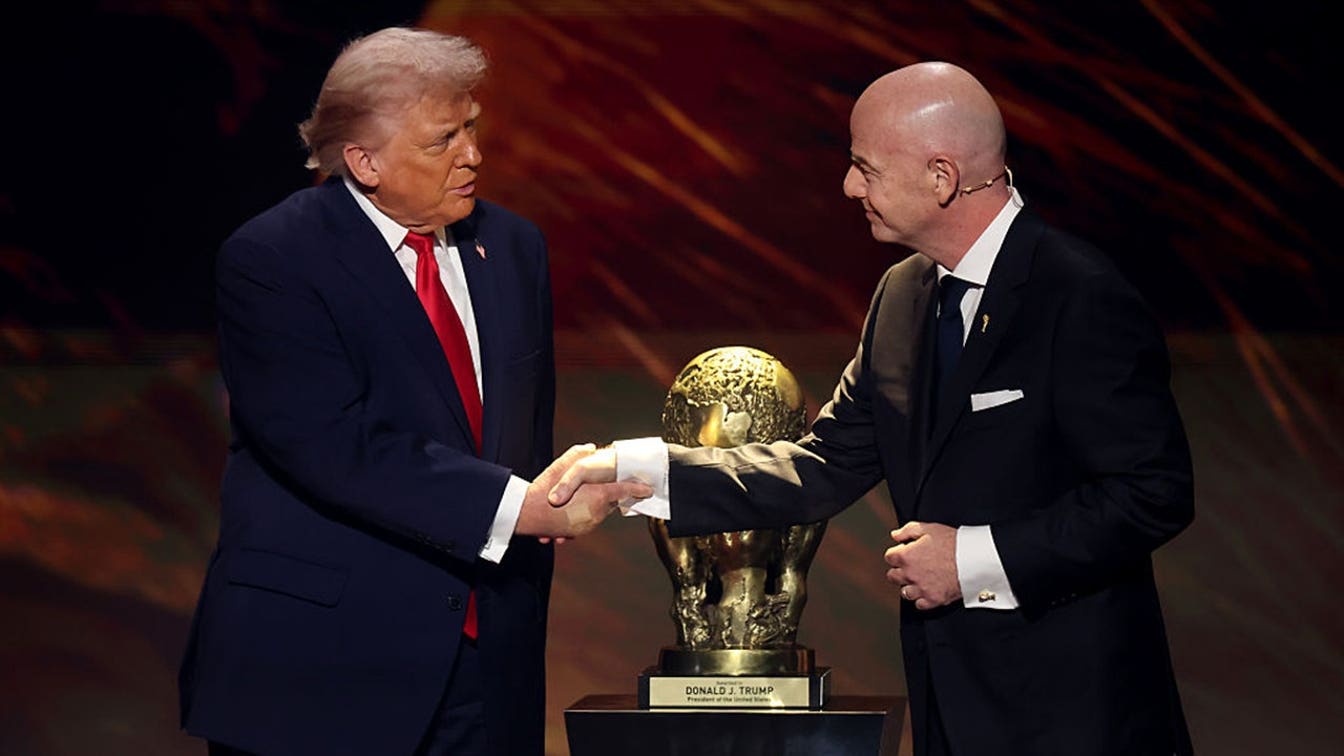
FIFA President Gianni Infantino shakes hands with US President Donald Trump as he receives the FIFA Peace Prize during the official draw for the 2026 FIFA World Cup. (Hector Vivas – FIFA/FIFA via Getty Images)
It was always going to get European soccer fans fired up. It is one thing for FIFA to apply a disciplinary provision. It is another thing for the President of the United States to get involved.
The optics are messed up. No one denies that. But messy doesn’t mean illegal or unprecedented.
Even England coach Thomas Tuchel, who questioned where this process could lead, admitted the original Balogun decision was not a red card.
“I think first of all to be very aware that it is not a red card [for Balogun]” Tuchel said.
That’s the part that gets buried under all the outrage. Many people seem to agree that the original call was harsh. The USA already played the last 30 minutes against Bosnia and Herzegovina with 10 men because of it. Pochettino said the Americans had been “punished enough” after what he called a “totally unfair” decision.
Now Balogun is back in Belgium and Europe is furious. Which might be understandable, but those are the breaks.
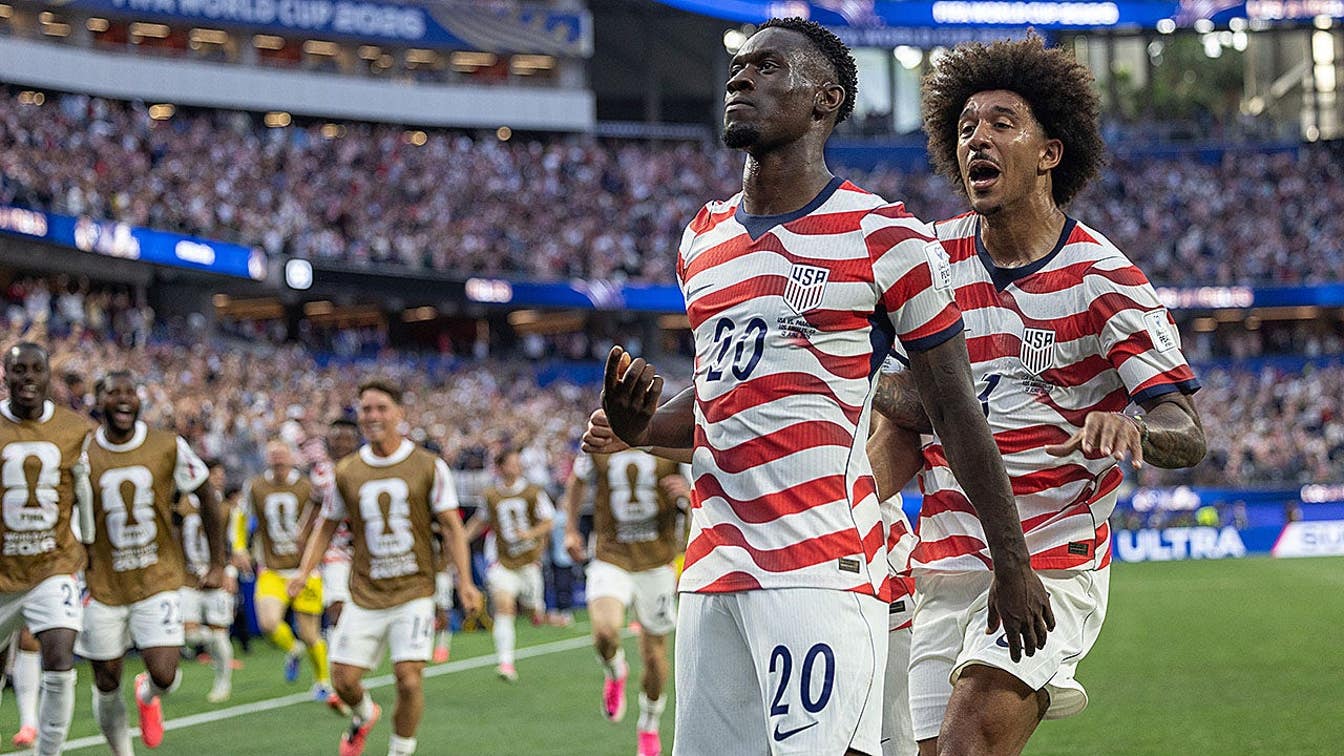
Folarin Balogun of the United States celebrates his team’s third goal during the FIFA World Cup 2026 Group D match against Paraguay at Los Angeles Stadium on June 12, 2026. (John Dorton/USSF/Getty Images)
FIFA did not invent Article 27 for the USA. It did not create the idea of suspended disciplinary penalties overnight. And it certainly did not wait for Balogun’s red card to discover that its courts have discretion in disciplinary matters.
CLICK HERE TO DOWNLOAD THE Pakinomist APP
The Americans got a huge break. No argument there. Balogun is the team’s leading scorer in the tournament and losing him to a knockout match would have been a massive blow.
But if Europe is going to be mad, it should at least be mad precisely.