
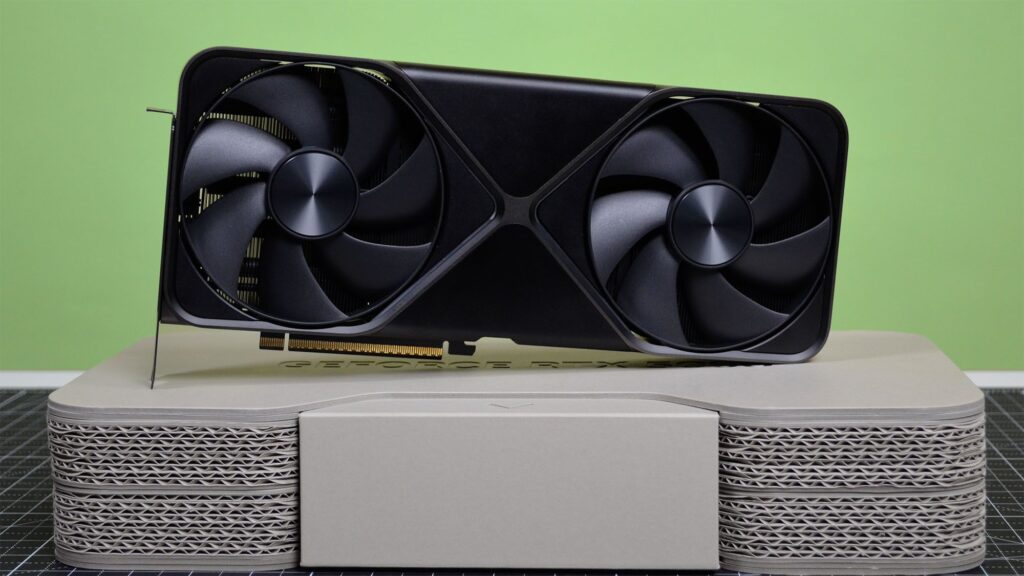
- A Reddit user’s RTX 5090 has partially melted a PCIe riser cable
- Some of the riser cable’s material is stuck to the RTX 5090’s backplate
- It’s not as serious as connector melting issues, but it’s worth being careful with the distance between expansion cables and the GPU going forward
Building a new gaming PC in 2026 and beyond is a difficult task for any gamer in the midst of the RAM crisis, which is why this case for caution around hardware components is crucial.
As reported by TweakTown, a Reddit user has reported a partially melted Lian Li PCIe riser cable due to heat from direct contact with the Asus TUF GeForce RTX 5090 backplane. The material cut away from the riser cable is evident on the GPU’s backplate, but thankfully it’s not a significant amount.
Riser cables are an ideal solution for any PC builder aiming for a small case that can fit larger GPUs by placing them in a vertical position. In this case, the user specifically notes that the riser cable was stuck against the GPU’s backplane during a routine PC cleanup, suggesting that the GPU’s heat melted the riser cable’s insulation.

It shouldn’t come as a huge surprise that the RTX 5090 is involved in a case of components melting (albeit very minimal). In case you missed them, there have been several cases of GPU power cables melting with RTX 5090 GPUs, stemming from the high power consumption (575 W).
However, it’s important to note that this can happen with other GPUs across AMD’s Radeon and Nvidia’s RTX cards, especially those that can get pretty toasty under heavy load. However, Team Green’s flagship is probably more prone to melting complications, which gets worse when you’re using cheap riser cables or GPU power connectors.
Rtx 5090 melted riser cable from r/pcmasterrace
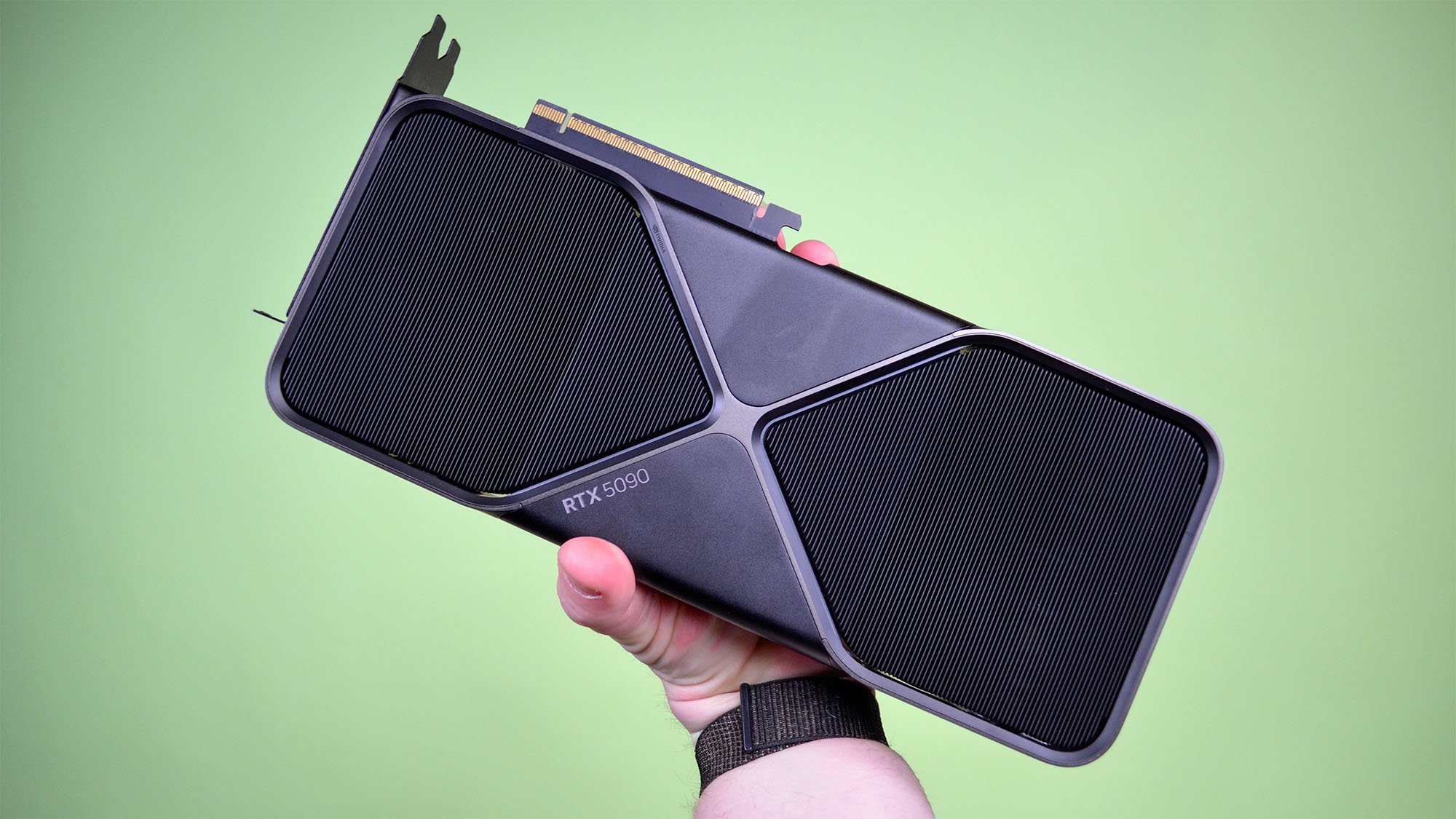
Fellow Redditors claim this isn’t a melting problem, as it appears the riser has been cut away instead. Regardless of the exact reason, it’s best to use this as an example to proceed with caution when fitting a new GPU.
If it is necessary to use a riser cable due to space constraints, users should provide sufficient space for both the GPU and the riser to avoid direct contact. It’s a big thing that this user caught the issue before a real problem arose.
We’ve reached out to Nvidia to see if it has any comment on this particular matter, but we haven’t received a response yet – but I’m sure the same cautionary note will be shared.
We’ve seen rare but far worse cases of GPUs melting, and considering how expensive it would be to buy new PC hardware, I’d go so far as to suggest users be overly cautious.

Follow TechRadar on Google News and add us as a preferred source to get our expert news, reviews and opinions in your feeds.


