

- A new update is coming to Meta’s smart glasses
- That should prevent modders from disabling the light that lets people know you’re using the camera
- Meta also targets modders on and off its platform
Last month, we shared details of reports that Meta Glasses were modified to bypass privacy protections and turn them into secret spy glasses. Now Meta has revealed that it will update the glasses’ software to detect whether the light has been tampered with (or destroyed) to prevent recording.
Whenever you take a photo or video with Meta Glasses, a white light appears on the front of the glasses to signal to people around you that you are filming.
For creeps who want to be more secretive with their recordings, this light is a hindrance, but Meta has imposed more basic tamper-proof features since launch. That is, any attempt to use the camera while the light is blocked – such as by a piece of tape – would not be allowed. The problem is that modders have found ways to open the glasses and disable or damage the light and its mechanisms that prevent it from showing, without being flagged by the system – meaning you can use the camera as you normally would, but without anyone else knowing.

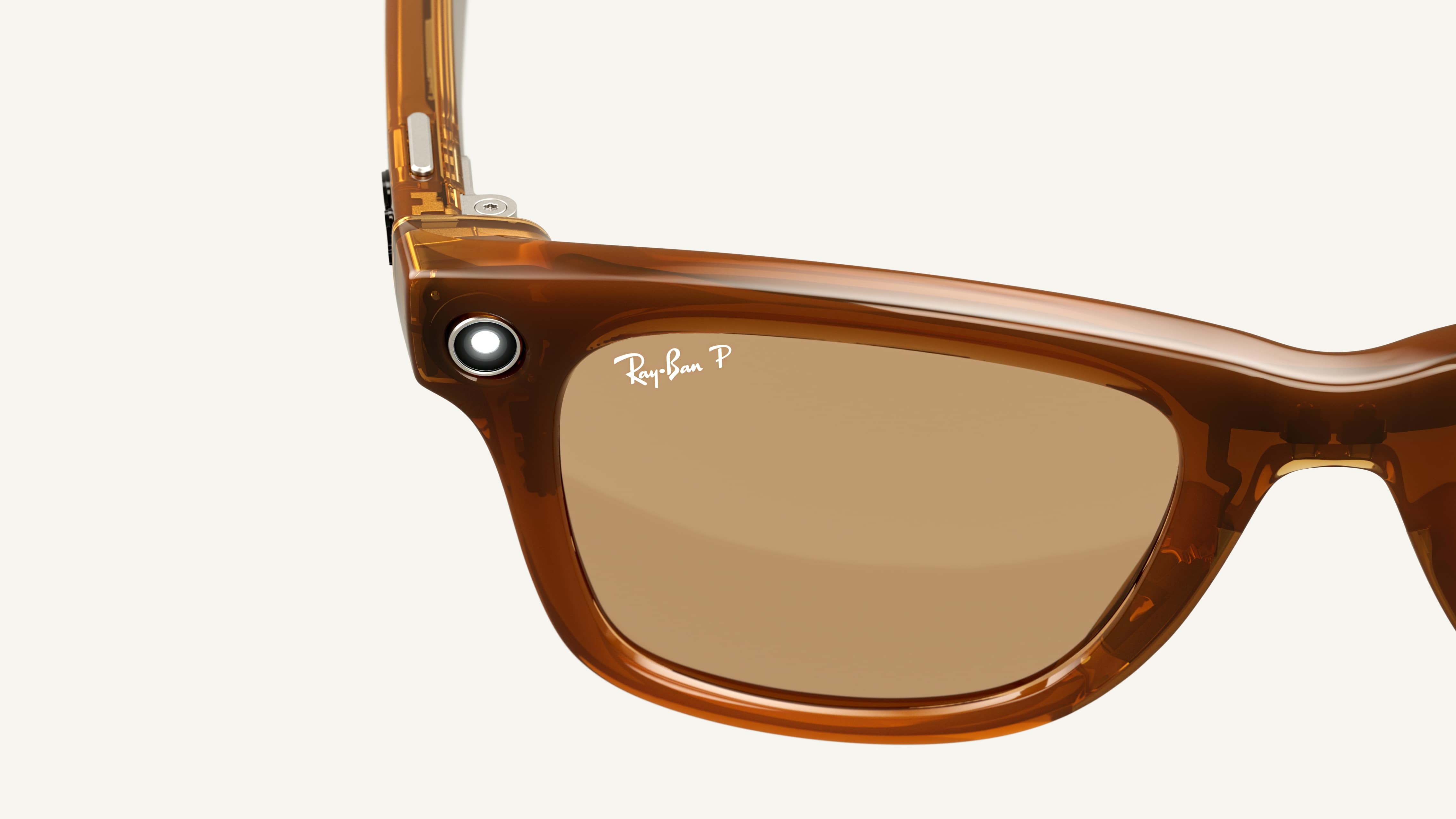
This is (to put it bluntly) not good, and when the reports came out, a Meta spokesperson told me that the company was looking into ways to disable this fix.
They also explained that Meta is working hard to stamp out ads for these kinds of services — some of which appeared on its own Facebook Marketplace platform — with its latest announcement explaining that this means banning accounts, removing listings and taking legal action against people or companies who tamper with its technology.
Beyond the details of updating software to prevent tampering, the entire article from Meta is focused on privacy and how Meta keeps you and others safe.
Thanks to people abusing its technology, these gadgets are becoming more popular again, and reports of contractors seeing recorded photos and videos that users of Meta glasses may not have fully realized they could see, Meta and smart glasses manufacturers have faced big privacy questions.
With this article, Meta seems to answer many of them, although we will have to wait and see if it can convince users – or if they might be tempted by the advent of cameraless smart glasses.
The only way is cameraless?
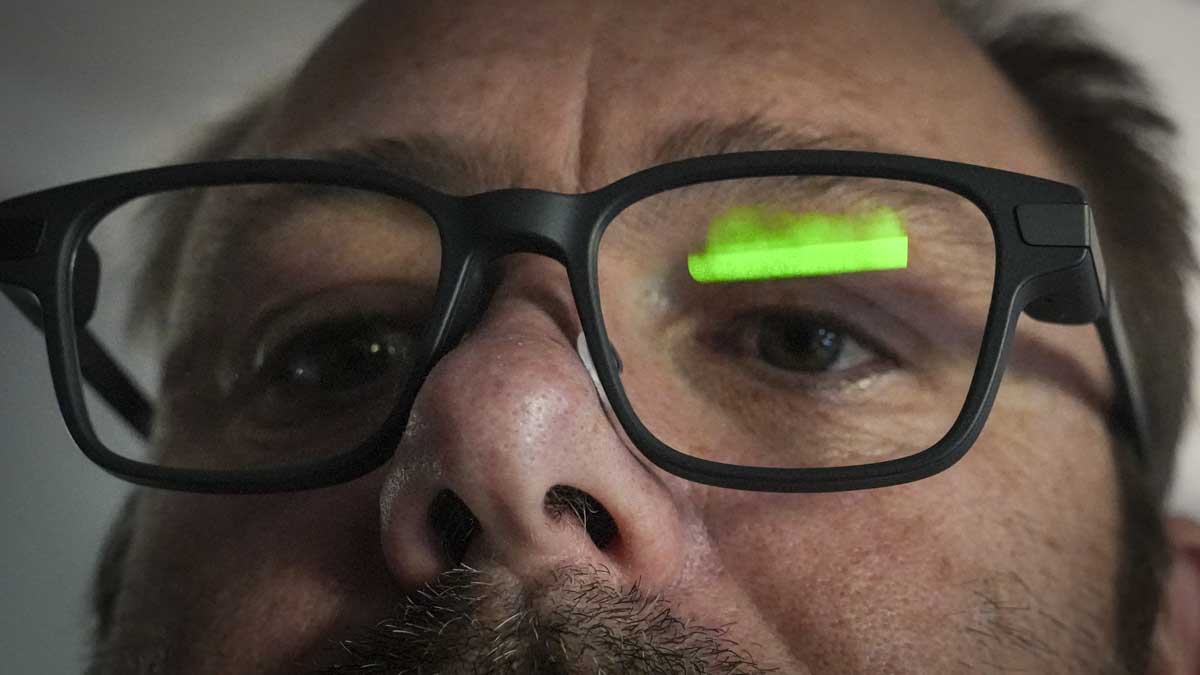
Even Realities, another smart glasses company, recently announced that it has raised $150 million in investments at a $1 billion valuation — not too shabby for a company that won’t launch its first XR gadget until 2024.
Instead of Meta’s camera-first approach, Even Realities went for a view-first approach. Information is displayed visually as green text and basic diagrams to provide features such as AI advice, navigational guidance or a speech displayed on a virtual prompt. Its specs also lack speakers, though that’s not true of all glasses of their kind.
Of course, losing the camera is a big privacy gain for some, as there’s no possible way for the glasses to see anything they shouldn’t or be used to spy on.
The thing is, I think these kinds of glasses are pretty terrible. After testing a few at home, the ones without a camera are just not worth wearing.
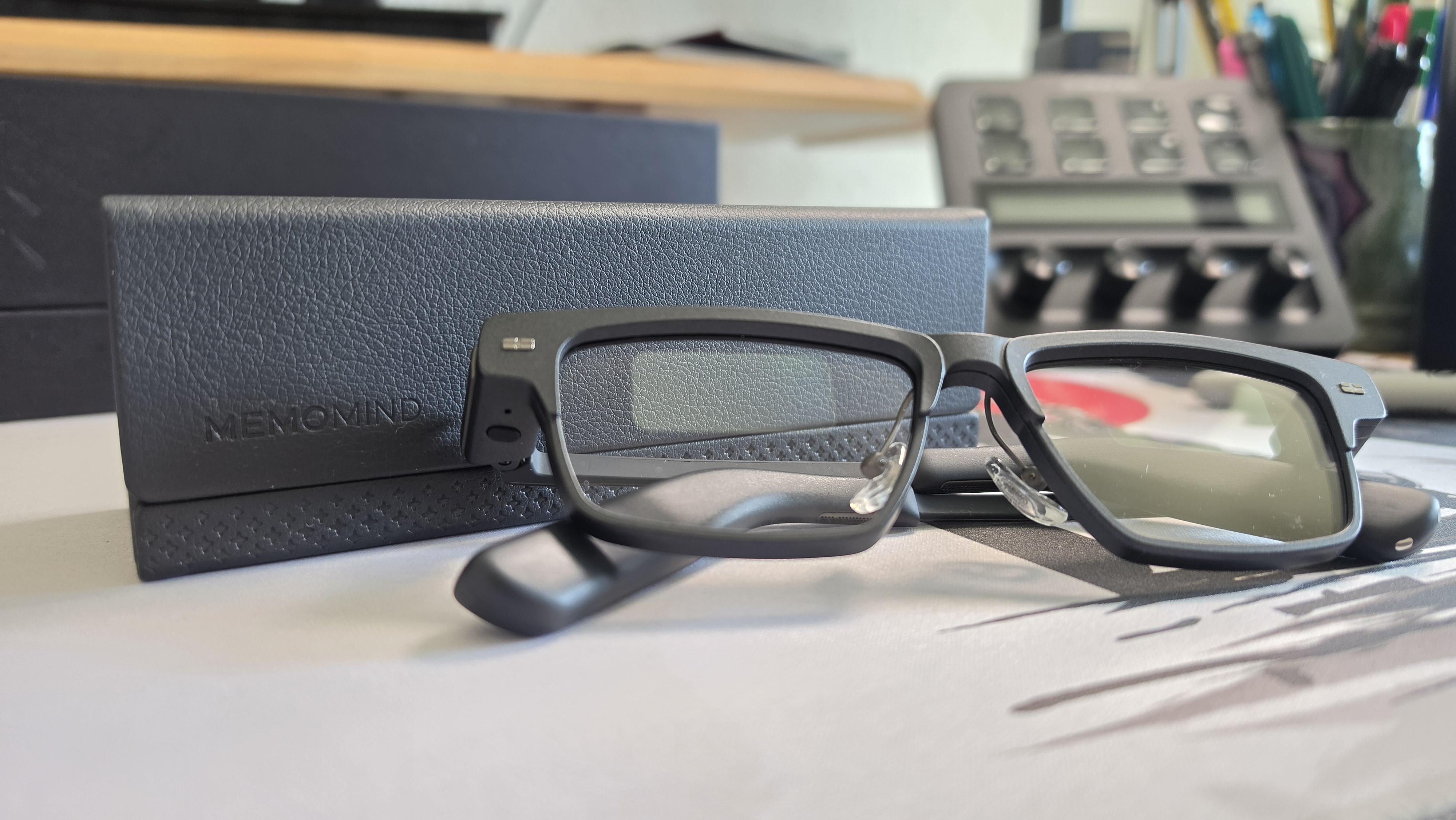
Smart glasses, despite becoming increasingly popular, are in their infancy, which in the tech world means you can expect to pay a fair amount for relatively limited features – that’s the price of being an early adopter. That’s especially true, I’ve found, specifically for these XR glasses, because while they can offer several tools like navigation, on-screen translations, a prompter, and pop-up notifications, their usefulness is quite limited.
How often do you need a prompter? Or one-way translation tools? In the case of the latter, because you often rely on your phone to set up the translation feature or access other features, you might as well turn to something like Google Translate – which has conversation modes so two people can talk and see translations through a single device.
The software I’ve found for these types of specs can also be pretty terrible with sluggishness, inaccuracies, and crashes – and as someone who tests smart glasses professionally, if I have issues, I can’t imagine what less techy people must think.
In addition, the green text can be difficult to see on a bright day if you are outside, making the instructions difficult to see on the screen.

While admittedly more limited in terms of functionality, the Meta glasses and smart specs like them feel like much better value for money. Specifically from Meta, the software is generally very reliable, and more generally, the ability to take a photo at any time – either to capture a moment or to provide context to an AI’s response – is so often handy.
While not as good as my phone camera, the ability to capture a memory, hands-free and without being taken out of the moment, is so utterly delightful.
Yes, there are privacy challenges that need to be hashed out more formally, as even without the ability to record privately there’s still plenty of room for creeps to harass people with this kind of gadget, but if you want a pair of smart glasses right now, there simply isn’t a better option.

Follow TechRadar on Google News and add us as a preferred source to get our expert news, reviews and opinions in your feeds.


