
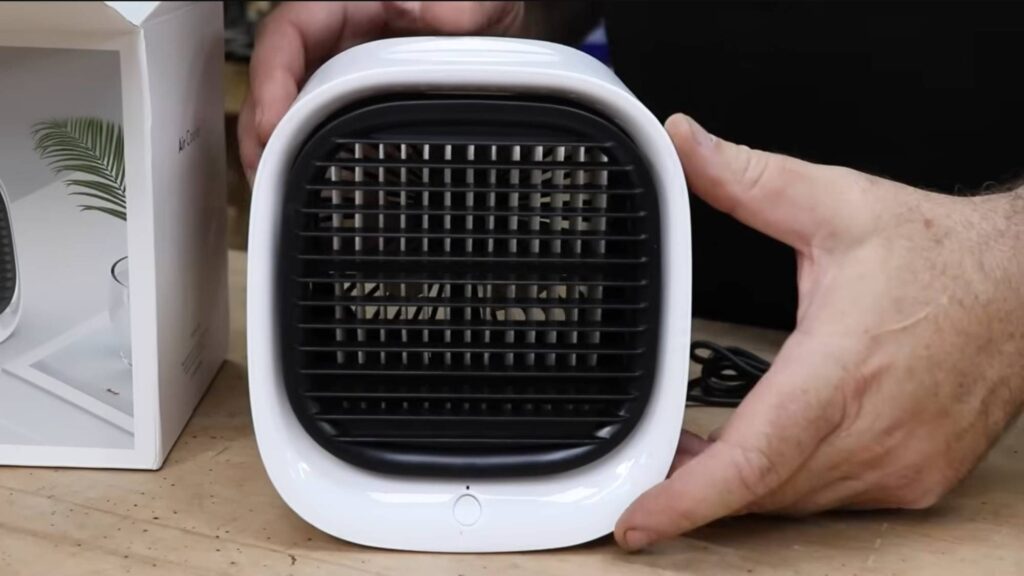
- Ads for fake air conditioners plague Facebook and YouTube
- These devices promise high performance features and claim to be cutting edge
- The UK advertising regulator warns that you should be skeptical and report them
The UK has had its share of sweltering heat waves this summer and demand for the best fans and air conditioners has never been greater – but it has also come with a wave of fake air conditioning adverts.
Ads for portable air conditioners purportedly ‘designed by ex-NASA engineers’ that can cool a room ‘in less than 90 seconds’ are being pushed to consumers across Facebook and YouTube. Portable air conditioners have sold out pretty much everywhere – most recently Meaco’s Cirro range – so units from reliable brands are becoming much harder to come by as the UK is gripped by high temperatures
The advertised air conditioners claim to pack a punch while being affordably priced, ranging between £70-£120 according to the BBC. Additionally, these product listings often contain fake customer reviews with overwhelmingly positive comments about performance features.

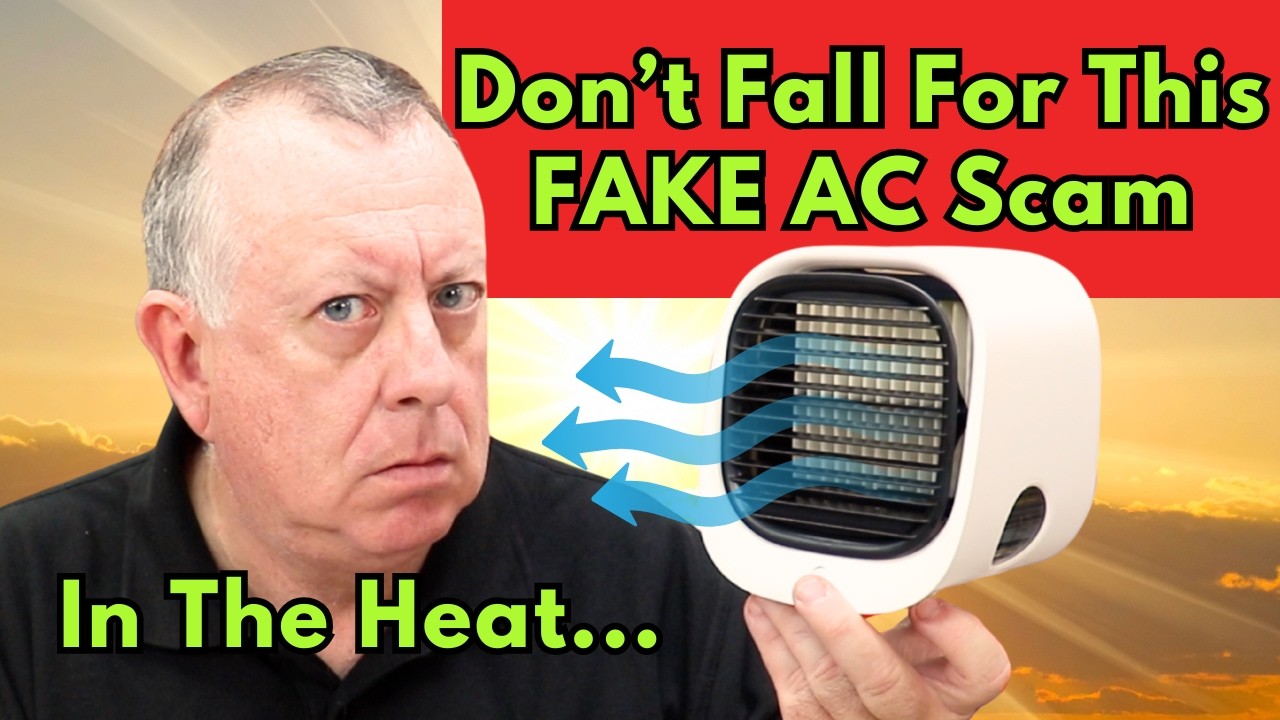
Civil engineer and content creator Stuart Matthews is just an online persona that raises awareness; “if it sounds too good to be true, it’s ‘probably’ not a scam these days, it definitely is a scam,” he shared in a YouTube video.
In one of his latest unboxing videos, Matthews bought one of the cheap air coolers and took it apart bit by bit to give a closer look at the inner workings of these devices – and they don’t work the same way as proper air conditioners.
How to spot a fake
Look at
The product he demonstrated was sold as a ‘mini portable air cooler’ with a small water tank that can ‘cool quite a large room by a number of degrees very quickly’. When he took the machine apart, Matthews found what he described as ‘cardboard fins’ which essentially suck up water from the tank, through which the fan blows air at a very low speed – all of which he paid £70 for when he thinks it’s worth no more than £5.
With demand high, users in need will often take the first device put in front of them, giving companies more room to scam, and now the Advertising Standards Authority (ASA) is officially warning you. But if you find it difficult to tell the difference between legitimate and misleading ads, the supervisory authority has issued a few tips.
As mentioned, one of the biggest things to note is the overuse of positive reviews and comments reporting life-changing results, so if an ad claims that a small fan can cool a room in a very short time, be skeptical.
Just with the ad featured in Matthews’ video, you should also be wary of long backstories and bold claims, ie. “a brilliant invention disrupting the £5bn air conditioning industry” – a bold claim for a product no one has heard of.
Additionally, the majority of ads appear to be AI-generated, with inconsistencies such as spelling and grammar errors that you should also watch out for. If you think you have come across a fake air conditioning advert, you can lodge a report on the ASA website.

Follow TechRadar on Google News and add us as a preferred source to get our expert news, reviews and opinions in your feeds.


