
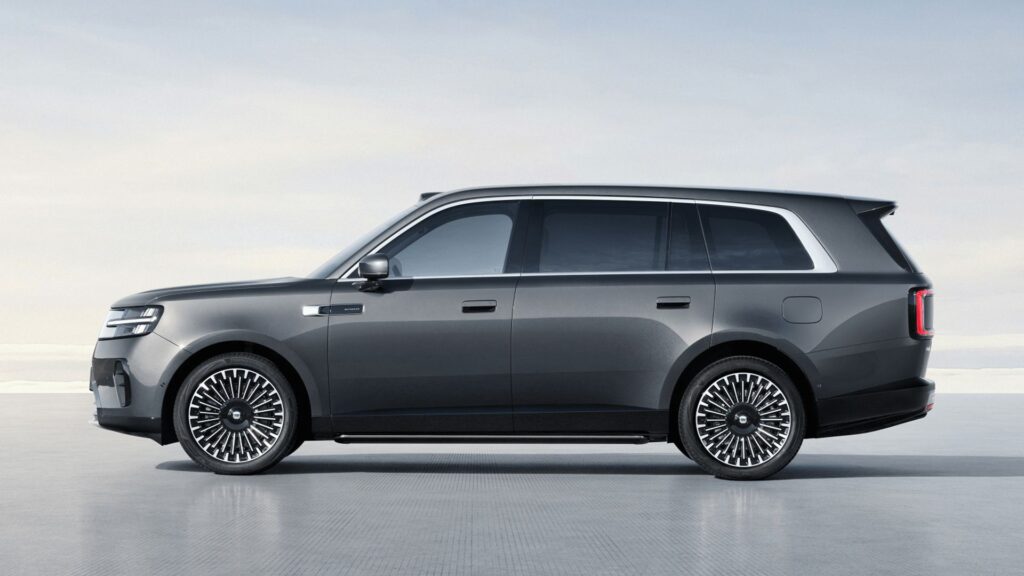
- Xiaomi unveils its first electric vehicle with extended range
- SkyNomad will sit separately from its pure EV Xiaomi Auto company
- The 1.5-liter engine is manufactured by Changan’s subsidiary Harbin Dongang
Xiaomi is all set to enter the hotly contested luxury SUV sector with a brand new venture it has dubbed SkyNomad.
Fresh from the success of both the SU7 and YU7, the former of which outsold the Tesla Model 3 in the Chinese market, smartphone maker Xiaomi sees a gap in the market for its first extended electric vehicle (EREV), which sees a petrol engine act as a generator to charge battery packs on the go.
While the powertrain is still in its infancy in Europe, with only the Leapmotor C10 REEV and Mazda MX-30 R-EV currently on sale in many markets, it has seen sales success in much of China.

Li Auto is the current market leader with six models offering a mix of internal combustion engines and battery packs, while AITO, Deepal, Avatar and Leapmotor also offer similar solutions.
Unlike traditional plug-in hybrids, which use a gas engine to power the wheels or charge the batteries, EREVs rely solely on an all-electric powertrain for propulsion, with the internal combustion engine acting as a generator to charge the batteries.
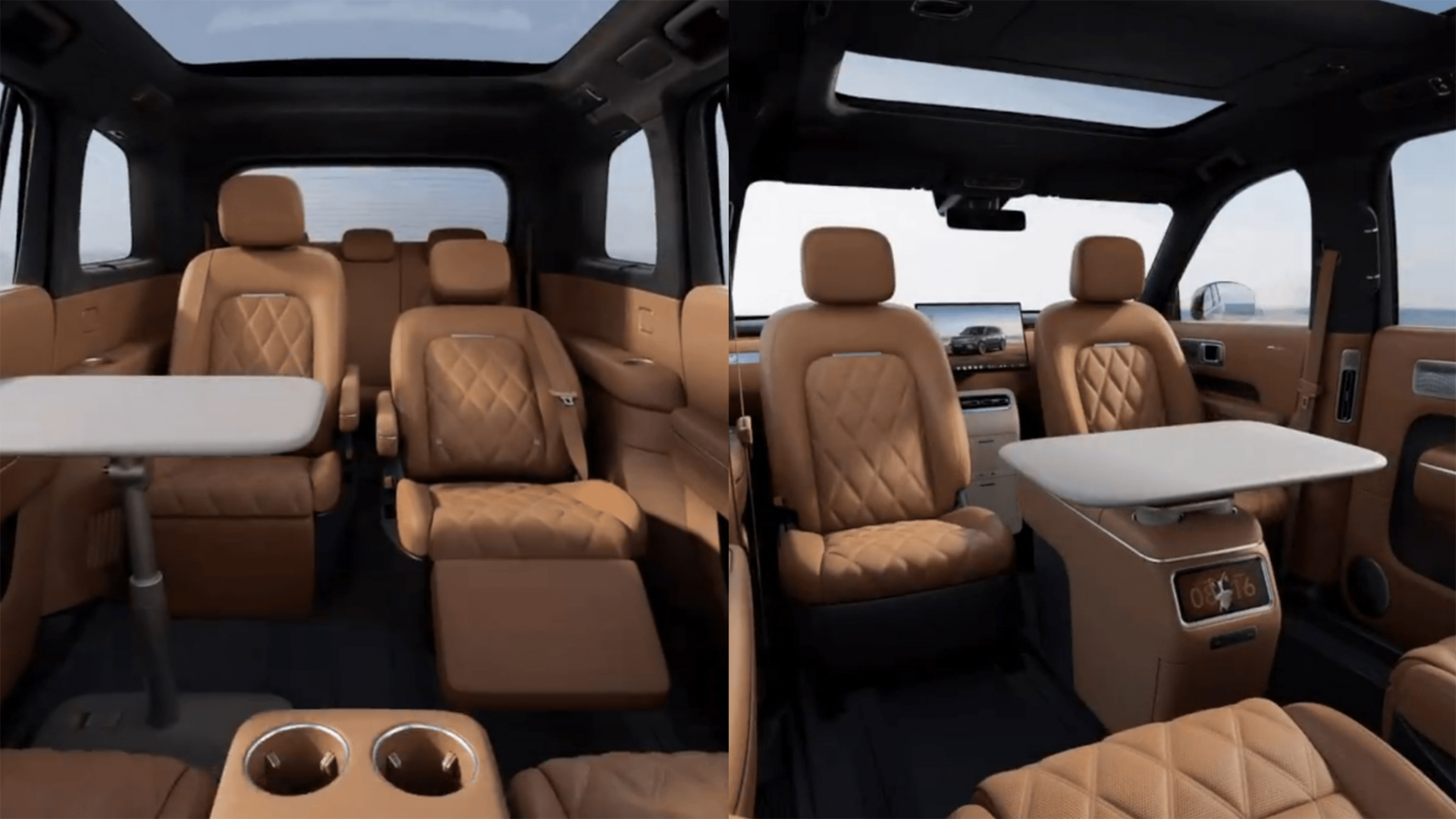
According to Car News China, Xiaomi’s SkyNomad brand will offer the N70 and N90, with the latter coming as a full-size three-row SUV with rotating front seats, a premium leather interior, and an N90 Max Camping Edition that adds a pop-up roof and a built-in side awning for exclusive camping trips.
SkyNomad also sells the idea of modularity, stating in its promotional material that the cabin can be transformed into a studio for one, a cafe for two, a meeting room for three or a play area for the whole family.
Under the skin, a 1.5-liter petrol engine from Changan subsidiary Harbin Dongang powers a 76 kWh ternary NMC battery pack in the N90, while a pair of electric motors team up to deliver 310 kW (416 hp) of power.
Analysis: unnecessarily huge
Xiaomi’s decision to launch an EREV-focused brand, SkyNomad, is a clear shot at market leader Li Auto, which is experiencing a 74% year-on-year sales decline in the first four months of 2026, according to Electrek.
The introduction of EREVs to Xiaomi’s stable will no doubt help it boost sales in China, but it’s hard to get away from the fact that the N90 is absolutely huge. It measures over five meters in length and weighs 3,361 kg, which makes the 416 hp feel a little underpowered.
Car News China says the N90 can manage about 230 miles before the batteries run out, at which point the 1.5-liter engine is called upon. The total range is over 1,500 km – or about 930 miles.
It is also interesting that Xiaomi, a company that was very successful with pure electric cars, is returning to fossil fuels.
All the PR coming out of China suggests that its public EV charging network is both faster and more widespread than most other markets, which begs the question of why the market needs big, heavy range extenders like this in the first place.

Follow TechRadar on Google News and add us as a preferred source to get our expert news, reviews and opinions in your feeds.


