
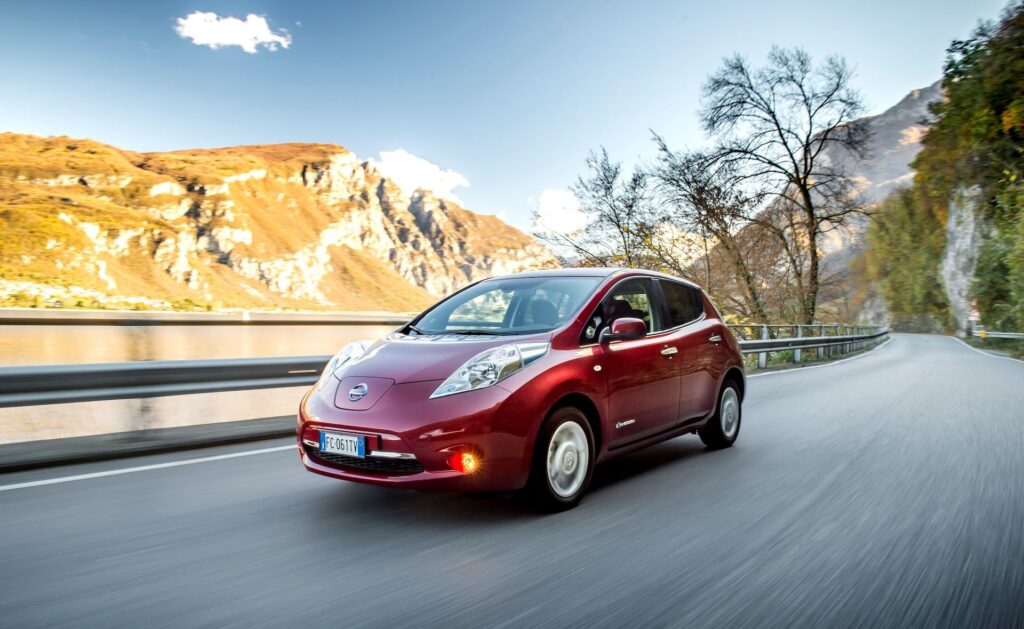
- A new report is the largest analysis to date of the state of EV batteries in the UK
- Results suggest that older vehicles retained a median of 85% battery capacity
- Even vehicles with very high mileage rarely void their factory warranty
The latest results from Generational’s 2025 Battery Performance Index reveal that EV batteries are more robust and reliable than predicted, with most packs likely to outlive the life of the vehicle itself.
Generational, a UK-based innovator in electric vehicle battery health diagnostics, claims the report is the largest analysis of EV battery health undertaken in the UK, with more than 8,000 cars and light commercial vehicles analyzed in the study.
The results show that the average battery health (SoH) across all the used vehicles involved stands at a robust 95.15% of capacity compared to new.
The battery assessments were conducted across around 36 manufacturers, including vehicle ages from 0 to 12 years and mileage from zero to over 160,000 miles, with results showing that even eight to nine year old vehicles still retained a median capacity of 85%.
High-mileage EVs, or those with more than 100,000 miles on the clock, often returned an 88-95% health score, according to the report’s authors.
The proof is designed to boost consumer confidence when it comes to used and older electric cars — a market that has struggled with residual values in part for this reason.
Many buyers of used electric cars assume that they will inherit a vehicle that can only manage a small fraction of its original claimed electric range.
But in stark contrast, Generational’s findings show that original manufacturer warranty thresholds, which are typically triggered when a battery’s health drops to 70% over eight years or 100,000 miles, are rarely approached.
Strengthens consumer confidence
The results showed that even the bottom 25th percentile of the group, which contained eight to 12-year-old vehicles, still maintained an average health status of 82%.
Of course, the company that carried out the research is keen to make its message clear that battery degradation is not the systemic risk once assumed, but rather the way the vehicle is used, stored and charged plays a major role in battery health.
“Transparency into battery health is the biggest challenge facing the market today and the essential infrastructure for a healthy used electric sector; as vehicles age, the gap between the best and worst performers widens and this spread defines the risk,” said Oliver Phillpott, CEO of Generational.
Phillpott believes that by establishing clear benchmarks for what is a typical, above and below average state of health, it will give the used electric car market clearer reference points for accurate pricing, strengthen residual values and accelerate the adoption of electric cars in general.
Whereas the condition of an internal combustion engine can generally be predicted according to its mileage, as general wear and tear is relatively linear, the same cannot be said for electric cars, where recent studies suggest that several factors play a role in how well a battery pack lasts.
Generational says that’s why it’s important to have verified battery tests for all used EVs. Without transparent condition data, worst-case assumptions can dominate pricing and decision-making, they argue.
But overall, the results of the UK’s biggest battery survey show that once again battery degradation in the real world is much slower than many think.
Granted, there will be naysayers who give examples of ICE vehicles with hundreds of thousands of miles on the clock, but most of these engines will have had almost every part replaced anyway.
The point here is that EVs can happily run for ten years without having to replace their battery pack, which should give potential buyers confidence that their vehicles will be worth something when it comes to replacing them.
Follow TechRadar on Google News and add us as a preferred source to get our expert news, reviews and opinions in your feeds. Be sure to click the Follow button!
And of course you can also follow TechRadar on YouTube and TikTok for news, reviews, video unboxings, and get regular updates from us on WhatsApp also.


