
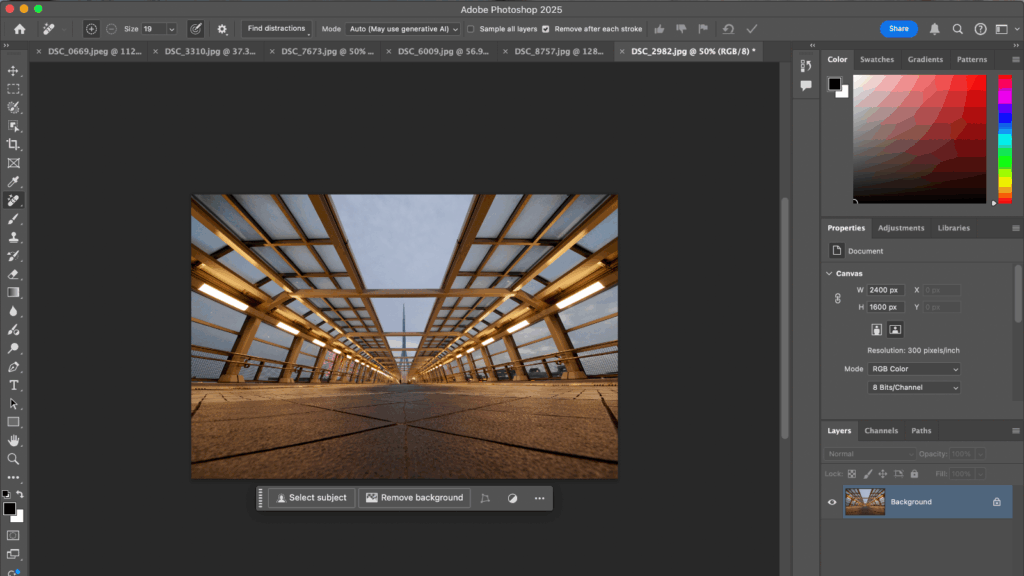
- Photoshop now runs on Linux through patched compatibility layers, not official support
- Creative Cloud installers fail due to missing Windows subsystems in standard Linux environments
- Wine struggles with Adobe installers because Internet Explorer’s behavior remains deeply embedded
The longstanding incompatibility between Adobe’s Creative Cloud suite and Linux operating systems remains a major obstacle for users switching to open source platforms.
Recent developments suggest that this barrier may begin to weaken due to targeted technical work, as a developer known as PhialsBasement has documented a method to install and run newer versions of Photoshop, specifically the 2021 and 2025 releases, on Linux systems.
This process bypasses the official installation path that Adobe has restricted to Windows and macOS environments.
Deciphering the installer’s requirements
The core challenge lies in the complex architecture of the Adobe Creative Cloud installer, which depends on specific Windows subsystems that Linux does not provide natively.
The Wine compatibility layer translates Windows API calls into POSIX-compliant calls, but it has traditionally struggled with these installers. The main points of failure involved MSHTML and MSXML3.
These components render the installer’s HTML and JavaScript interface and parse its XML configuration files.
The installation framework expects an environment that mimics legacy Internet Explorer behavior, which standard Wine setups cannot adequately reproduce. The fix introduces a number of patches that change how Wine interacts with these subsystems.
To address problems with XML parsing, the patches wrap data in CDATA sections to avoid strict parsing errors on Linux, and also correct Wine’s internal handling of identifiers so that system calls route and execute correctly.
An important part of the fix forces Wine to mimic the event handling behavior of Internet Explorer 9. This allows the installer’s user interface to function as its developers intended.
According to the developer’s reports, these changes allow the installation process to complete without errors and the application runs with stable performance.
This breakthrough gives Linux users access to Photoshop as a capable image editor. It also suggests that other Adobe applications, including video editing software, could run on Linux in the future.
The developer initially submitted the fixes to Valve’s Proton repository, a fork of Wine optimized for gaming, but maintainers rejected them and suggested submitting them through WineHQ instead.
As a result, users wishing to use this method must manually compile a patched version of Wine from the developer’s source code.
Despite the technical achievement, the path these patches followed highlights the fragmented nature of compatibility development.
The process requires technical expertise, which limits its practical reach and gives it more symbolic value than immediate widespread use.
This work shows that the barriers blocking professional creative software on Linux are not insurmountable, and upstream adoption of these fixes can improve access to other Adobe applications.
For now, Linux users have to rely on unofficial patches as there is no built-in support.
Via Tom’s hardware
Follow TechRadar on Google News and add us as a preferred source to get our expert news, reviews and opinions in your feeds. Be sure to click the Follow button!
And of course you can too follow TechRadar on TikTok for news, reviews, video unboxings, and get regular updates from us on WhatsApp also.


