
50 years with Apple
We’re celebrating Apple’s 50th birthday with a week of content about the tech giant. It covers everything from personal recollections from our writers to the greatest – and worst – Apple gadgets as voted by you, and you can read it all on our 50 Years of Apple page.
Apple is 50 years old on April 1, having been founded way back in 1976 – so we thought it was an appropriate time to ask the TechRadar readership what the greatest Apple gadget has been over these five decades.
And there’s a lot to choose from — starting with the Apple I (a computer designed and hand-built entirely by co-founder Steve Wozniak) in 1976, and going all the way to the MacBook Neo, which made its debut in March 2026.
We know TechRadar readers are a smart bunch, and after we put out a call on the TechRadar WhatsApp channel, here’s how you voted.
The article continues below
15. Apple Watch (2015)
- What we said in 2015: “An expensive convenience gadget”
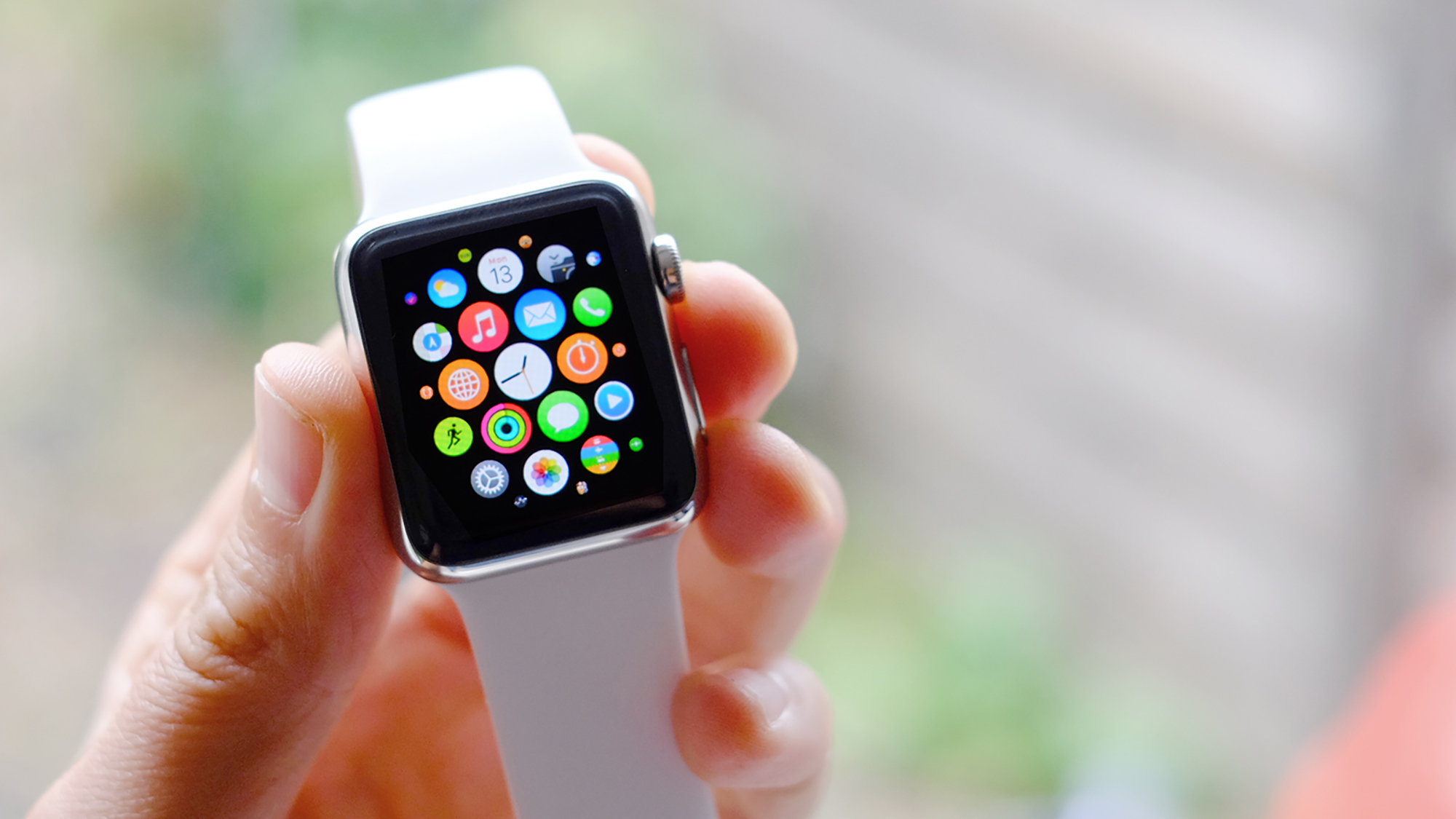
Do you remember the original Apple Watch? Battery life wasn’t great and several key apps were missing, but it was a sales hit and played a big role in making smartwatches what they are today – smart, slim and packed with health and fitness sensors.
Our review talked about a light and comfortable fit and an appealing OLED screen, although we were quite confused as to what exactly the device was for. Today’s models are much more useful and powerful, and provide a much better answer to that question.
14. iMac G4 (2002)
- What they said in 2002: ‘Flat-out powerful and beautiful’ (USA Today)
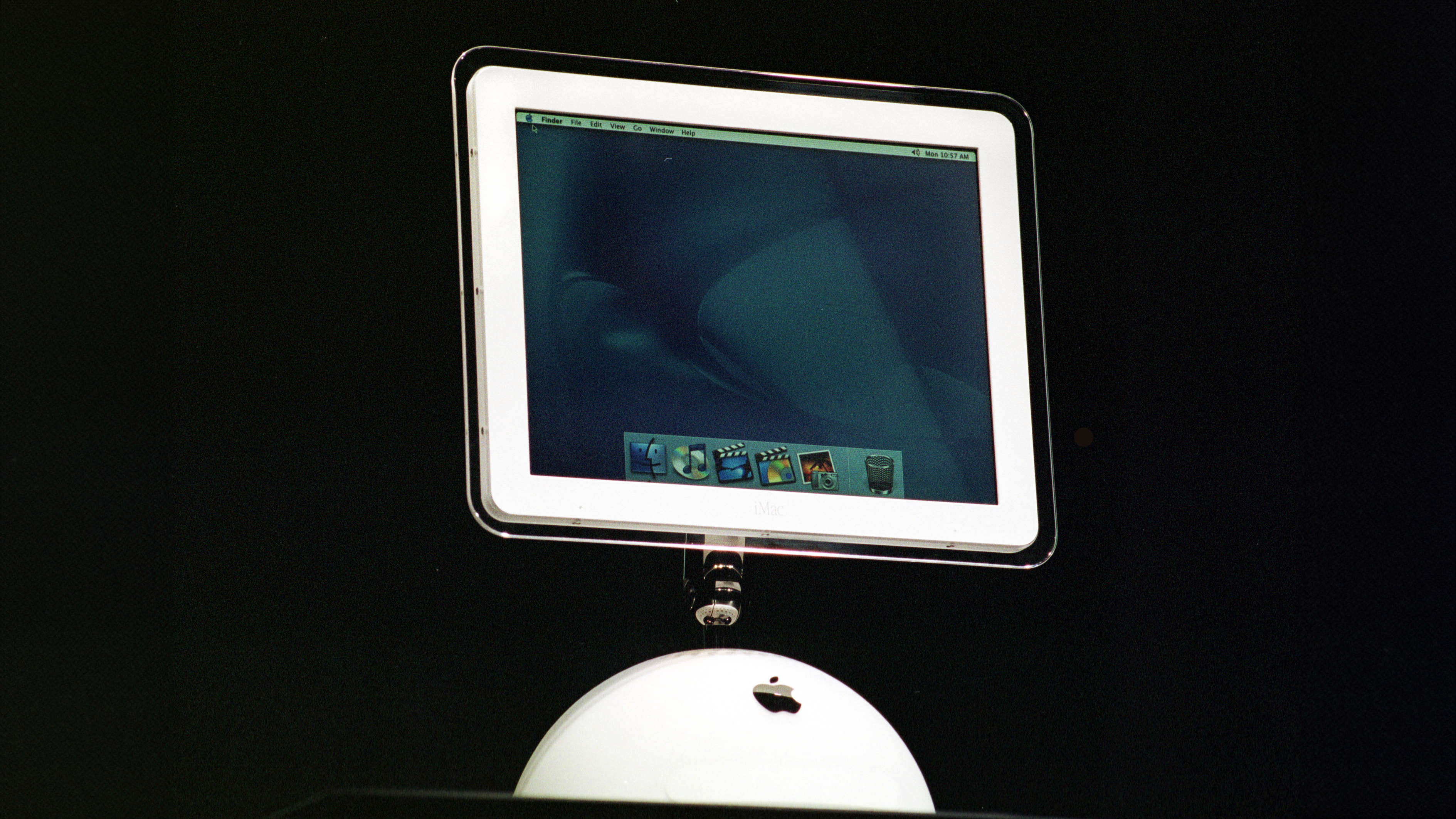
On to the iMac G4 from 2002, and the design alone earns this desktop a spot on the list: its 15-inch flat screen was innovative enough, but then Apple mounted it on an adjustable metal arm attached to a white domed base—a truly iconic Mac design.
The computer came with a PowerPC G4 processor inside, as well as either 128MB or 256GB of RAM and up to 60GB of storage space. This was also still the era of optical drives, and indeed Apple was pushing the iMac G4 as a central hub for music, photos and DVD movies.
13. iMac G3 (1998)
- What they said in 1998: “The New VW Beetle of Computers” (San Francisco Chronicle)
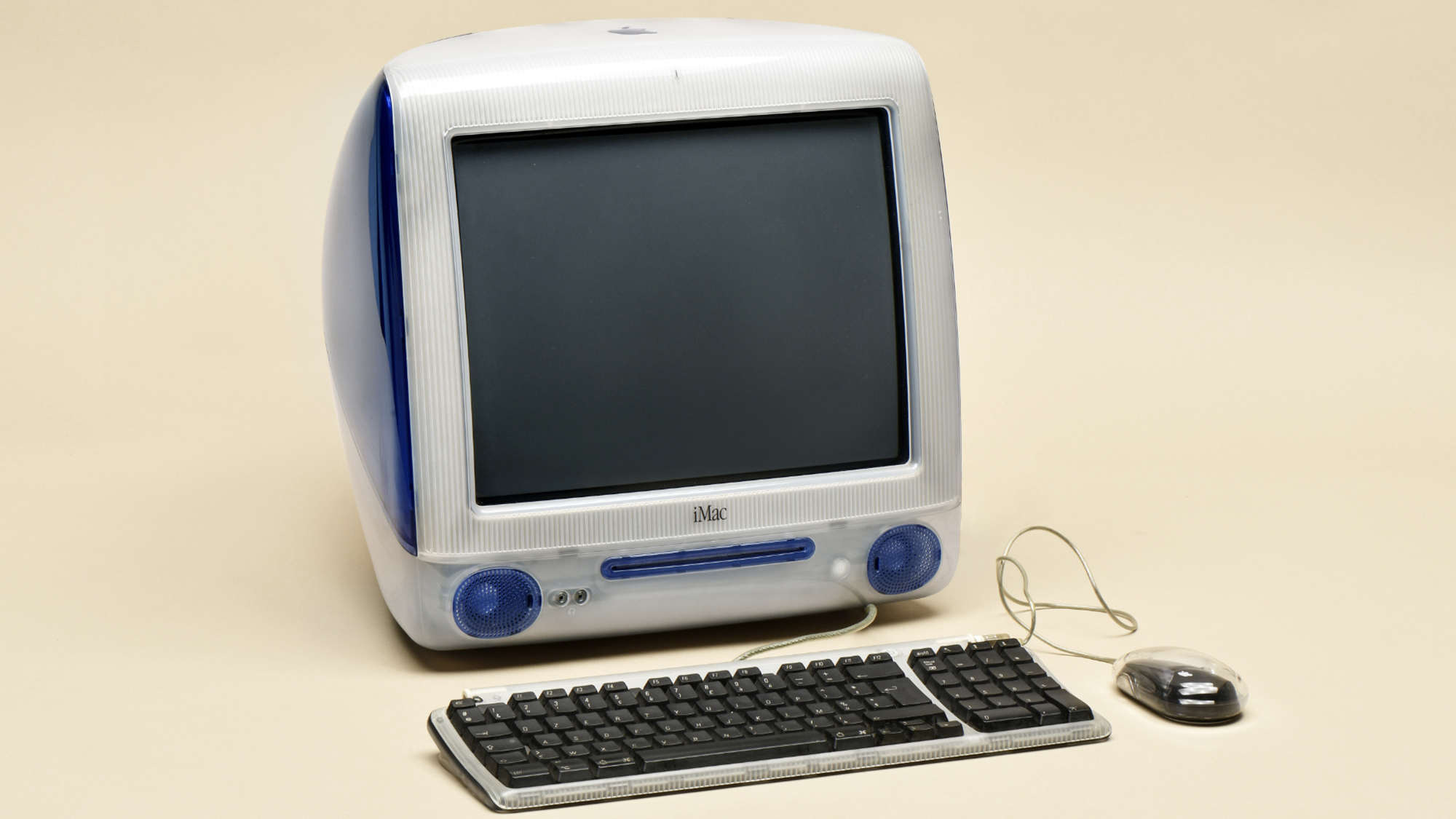
Before the iMac G4, we had the iMac G3, and the older Mac gets a higher spot on our list. The distinctive color CRT screen (designed by a young Jony Ive), the easy internet connection and the bold decisions (no floppy drive) combined to create a classic.
Before this point, computers had largely been boring, beige boxes, but the iMac G3 changed all that. It helped put Apple back in the public eye as an electronics manufacturer and as a company willing to push the boundaries of its technology.
12. Apple II (1977)
- What they said in 1977: “We’re here for the hobbyist” (Steve Jobs)
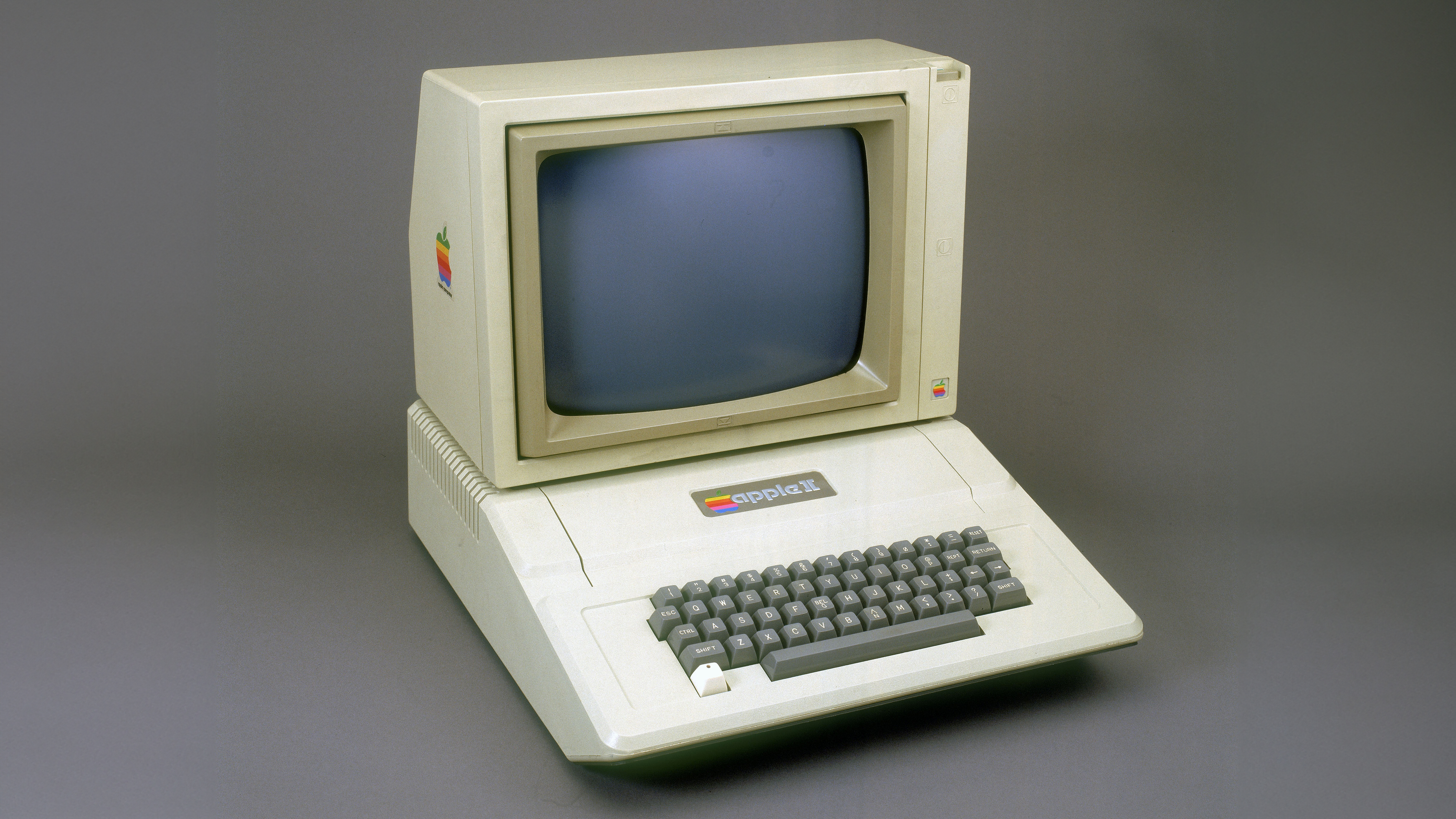
Not the first Apple computer – as you can tell from its name – but the one that really put Apple on the map for the first time. In 1977, ready-to-use consumer computers barely existed, so the Apple II marked a truly groundbreaking expansion of technology.
This was a computer that could be used by people who were not hobbyists or IT technicians, and the subsequent additions of the Disk II floppy drive and, of course, VisiCalc—the first spreadsheet program—helped consolidate the Apple II’s place in history.
11. AirTag (2021)
- What we said in 2021: “An invaluable and easy-to-use tool”
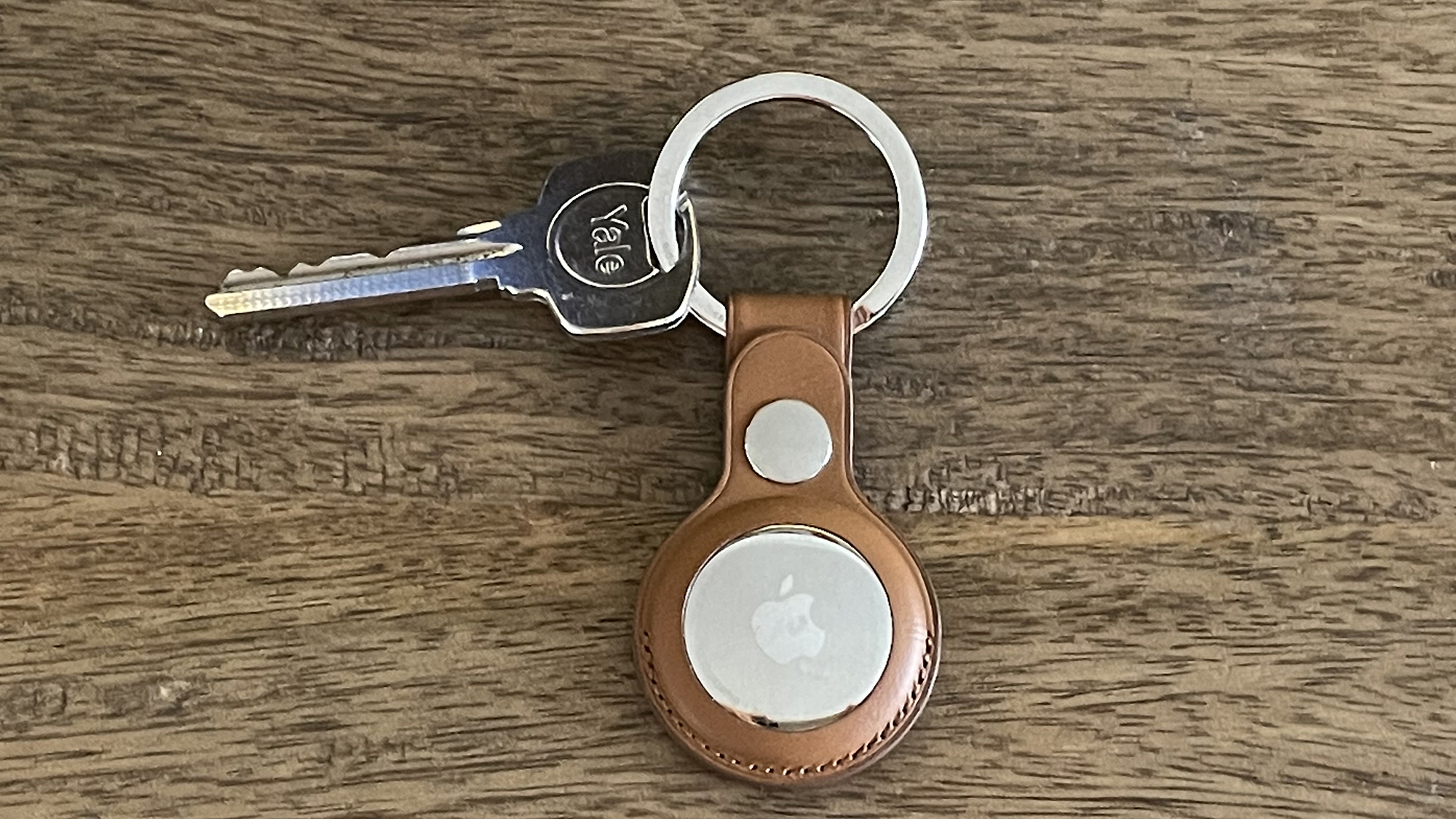
Apple often enters a new product category with a device simple and elegant enough to surpass what other manufacturers had previously done, and so it was with the AirTag: it instantly became the best Bluetooth tracker (at least for Apple users).
It’s affordable, lightweight, waterproof, easy to use and precise in its operations, and it also comes with a number of nifty optional accessories – even if it’s now been succeeded by the AirTag 2. A perfect example of how Apple can quietly disrupt the market for a device – even if in this case it had to push out an ‘anti-stalking’ firmware update.
10. MacBook Pro (2021)
- What we said in 2021: “A mighty impressive creative laptop”
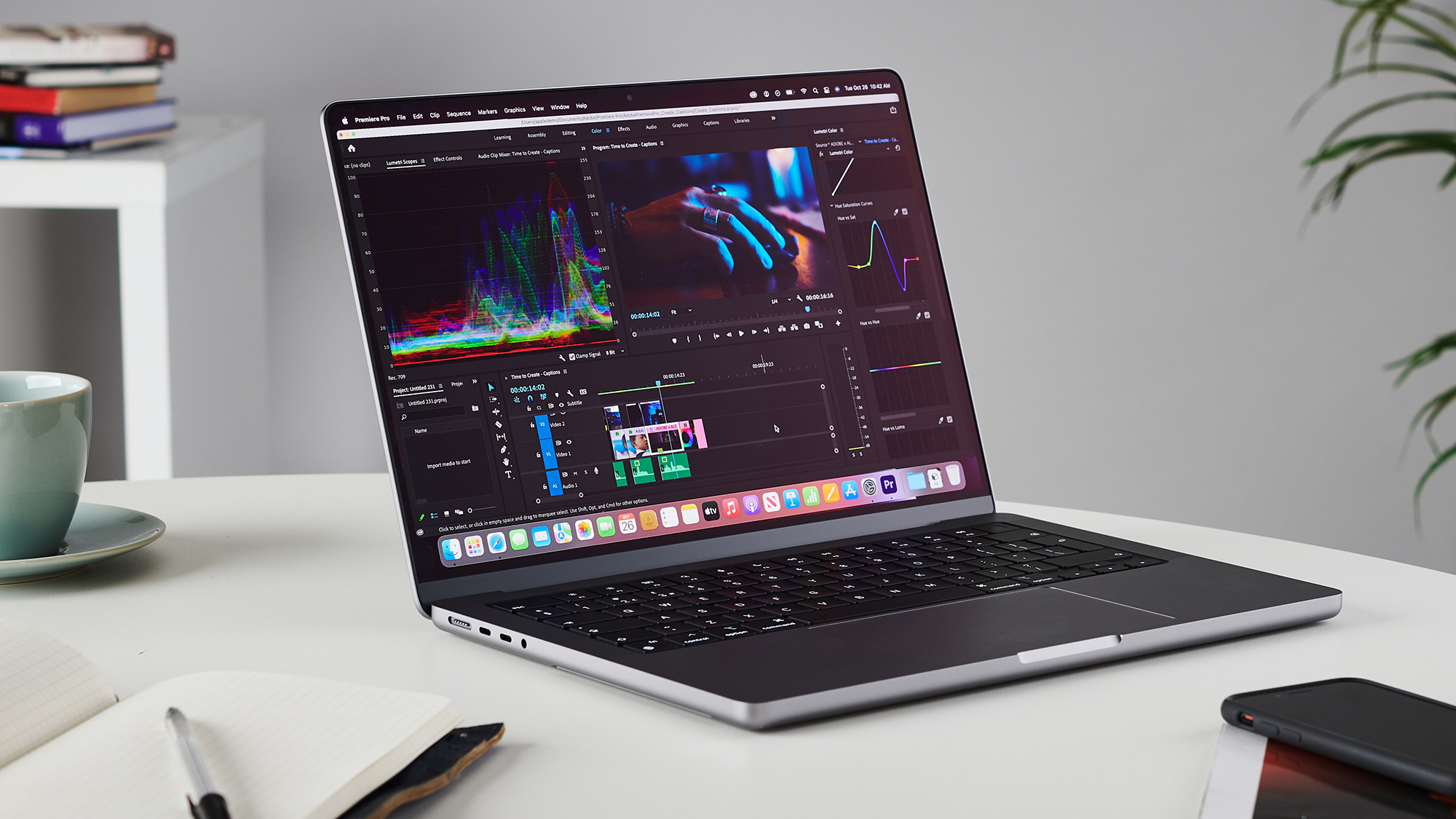
The Apple MacBook Pro line hasn’t always met with universal acclaim since its inception in 2006, but the 2021 model got almost everything right: ditching the butterfly keyboard and Touch Bar and the legacy ports, it made the MacBook Pro a great laptop again.
This model also marked the debut of the M1 Pro and M1 Max, showing Apple really getting down to business with chipsets and balancing excellent performance with top-tier battery life. There was also the introduction of the notch – and we’ve all got used to that by now.
9. iPod 3rd generation (2003)
- What they said in 2003: “Simply the best-designed MP3 player we’ve seen” (CNET)
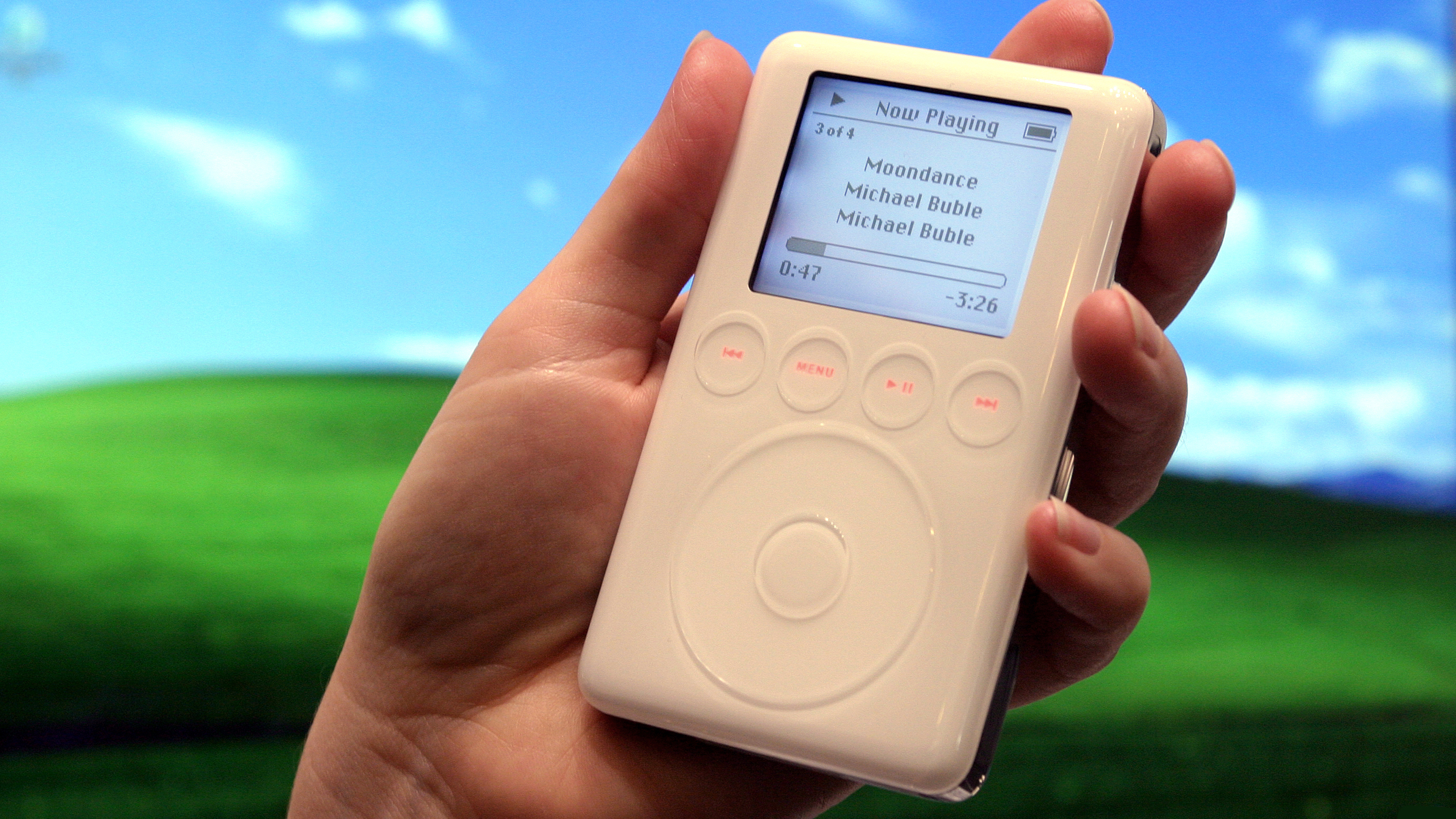
You may not remember the 3rd generation iPod, but it was a landmark launch: it introduced a full touch interface with no moving parts and a 30-pin dock connector (replacing FireWire), and is the only iPod ever with four different buttons under the screen.
With the launch of iTunes for Windows later that year (note the background in the image above) and support for USB 2.0, this was also the iPod that opened up the iconic music player to users outside the Apple ecosystem. You could say that it was the iPod that really helped the device become mainstream.
8. iPod mini (2004)
- What they said in 2004: “It’s hard to believe there’s a hard drive in there” (Macworld)
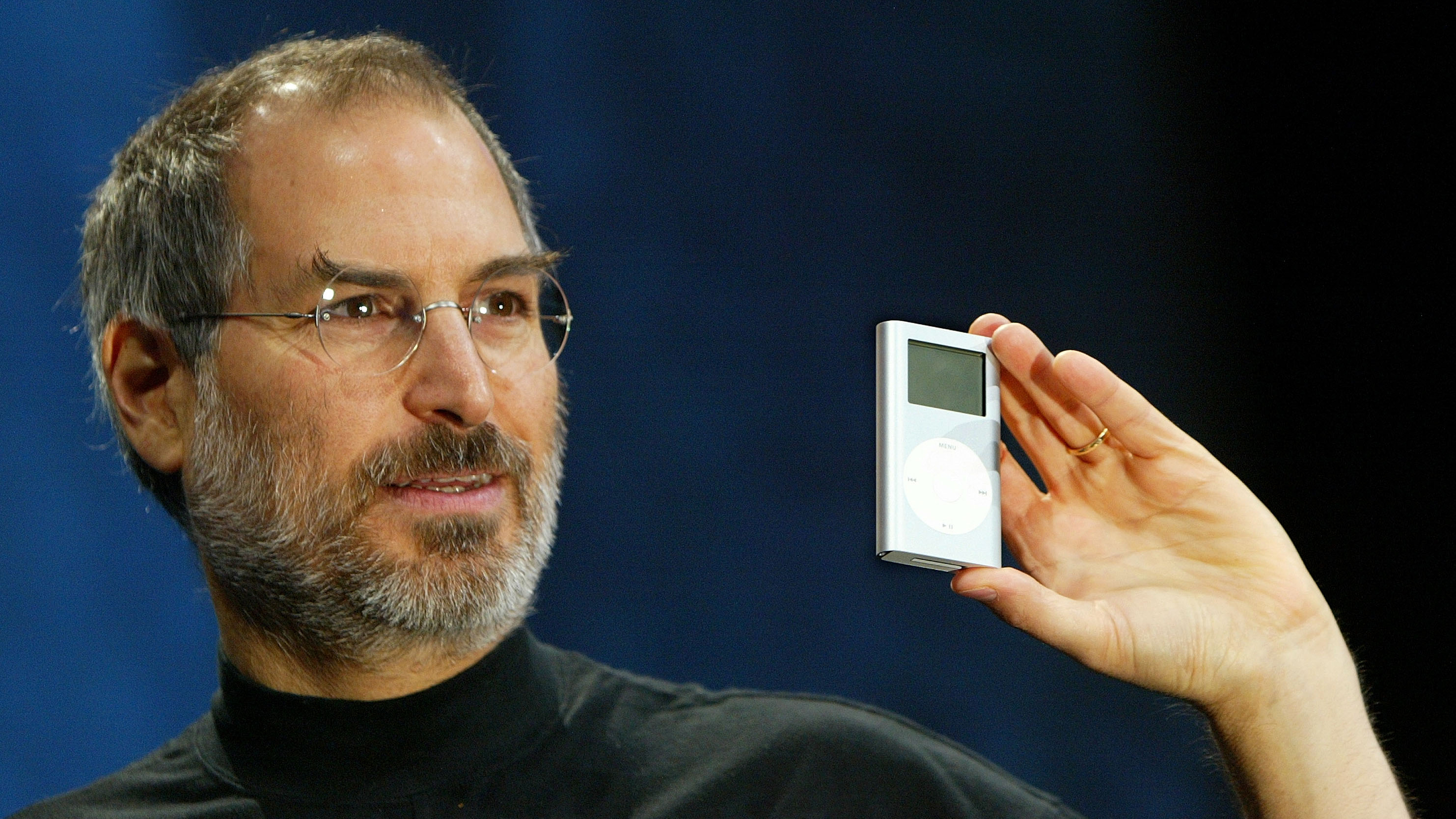
Building on the success of the 3rd generation model with a smaller form factor and some funky colors, the iPod mini struck a chord with music fans – while it lacked some features of its competitors (no FM radio!), it made up for it in terms of style and user interface.
Almost anyone who owned one of these iPods back then will speak fondly of it (and of that time in popular music, too). It was a music player for the masses and it introduced the click wheel that would later be adopted by the larger iPod as standard.
7. Macintosh (1984)
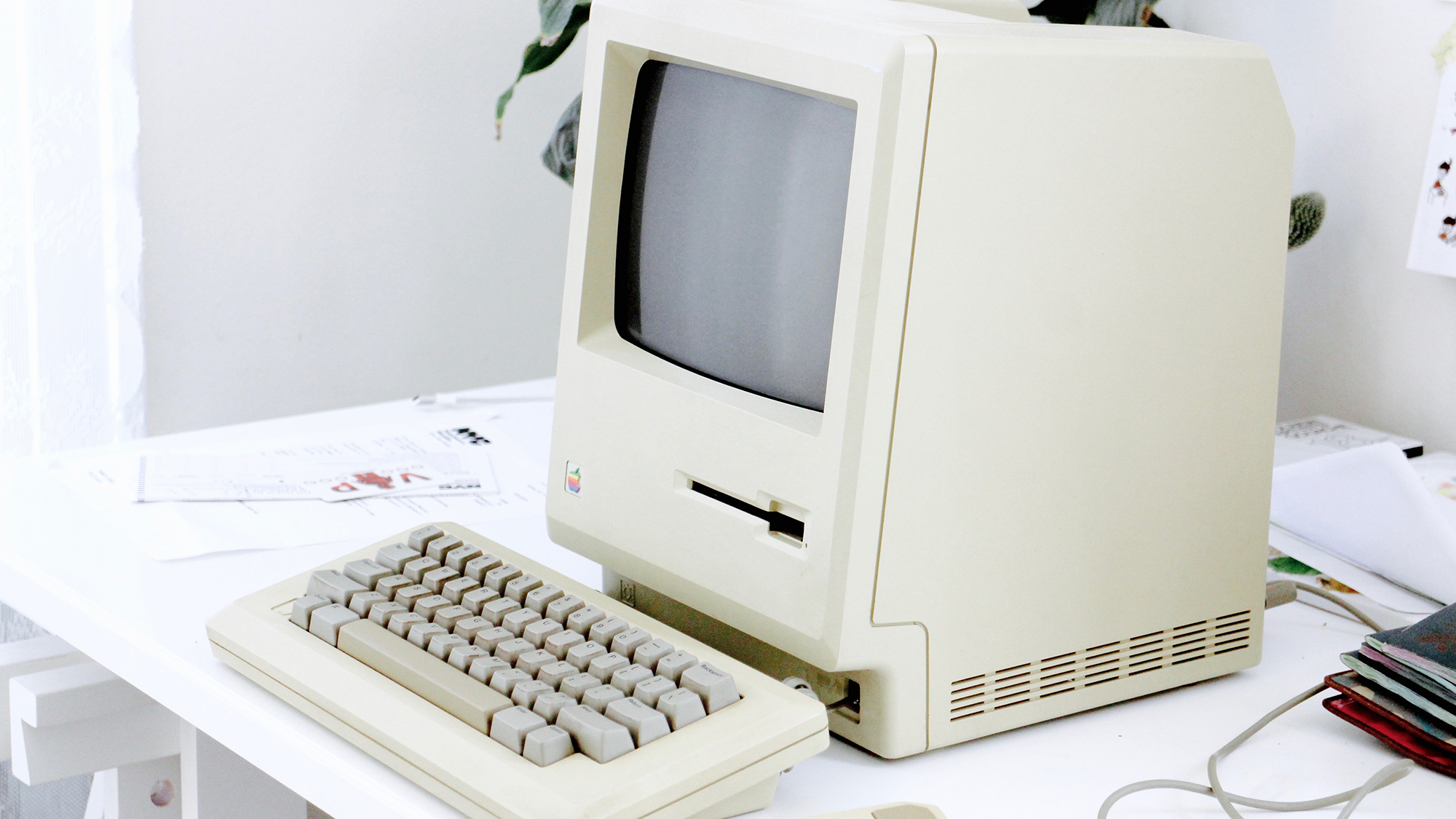
This is the original Mac, followed by the ‘1984 ad’ directed by Ridley Scott that aired at the Super Bowl, and the first personal computer with a graphical user interface to actually capture mainstream attention. It’s fair to say that the first Mac changed the computer, and Apple – it was a true masterpiece.
The all-in-one design, the mouse peripherals, the 3.5-inch floppy drive—the 1984 Macintosh was a true trailblazer in so many ways, and its influence can still be seen today, 40 years later. And it’s a testament to Apple as a company that it’s only number seven on our list…
6. iPhone X (2017)
- What we said in 2017: “The closest to smartphone perfection Apple has ever come”
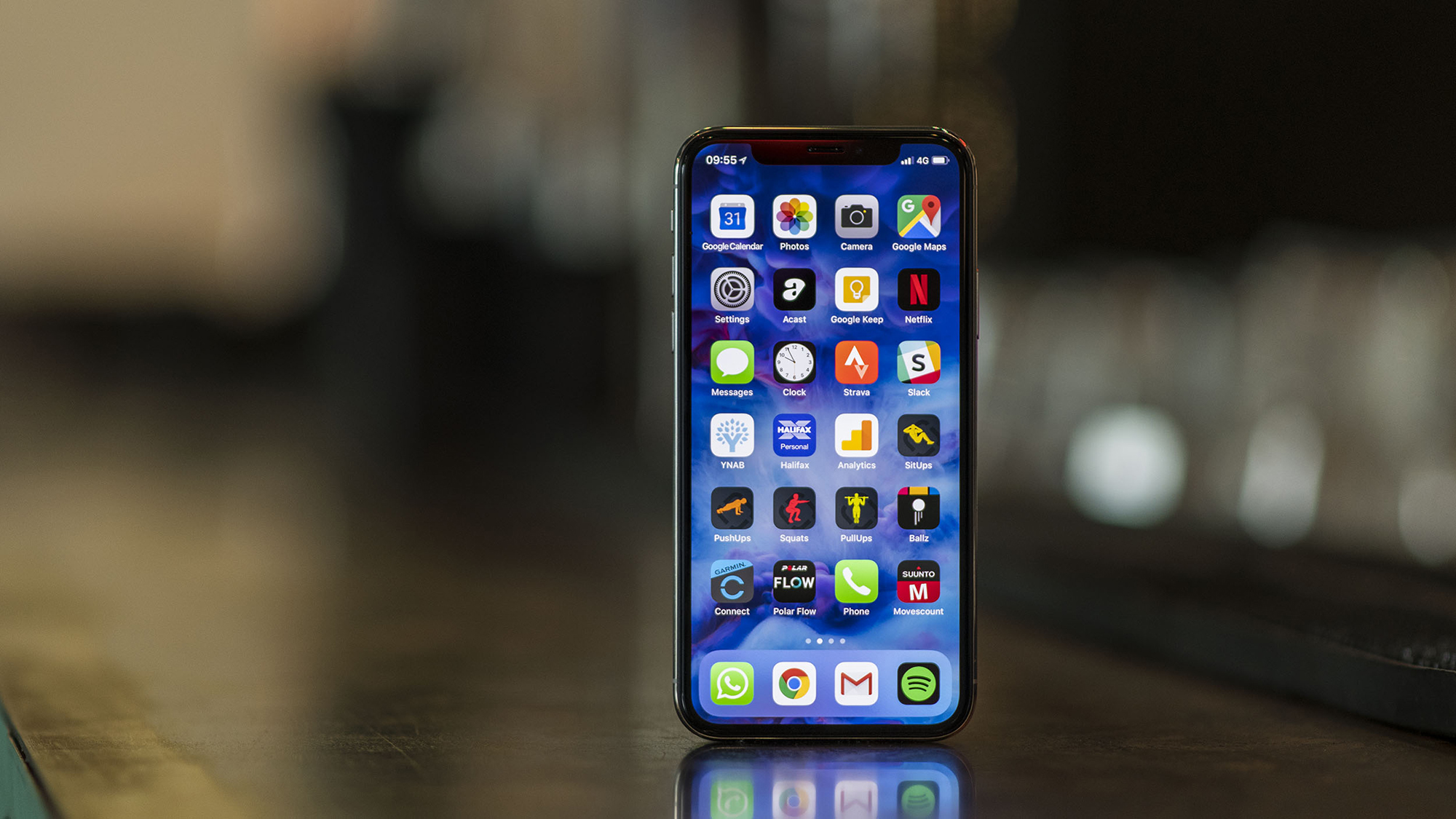
Few iPhone launches have attracted as much buzz and attention as the iPhone X in 2017 – the 10th anniversary of the iPhone, of course. After the original Apple iPhone redefined what a phone could be in 2007, the iPhone X went and did it again a decade later.
OLED instead of LCD, a display notch we didn’t even know we needed, Face ID and the removal of the Home button for the first time. The iPhone X would set the template for phones for years to come, and we were very impressed with this “big bet” from Apple.
5. M1 MacBook Air (2020)
- What we said in 2020: “Its M1 chip is a real game-changer”
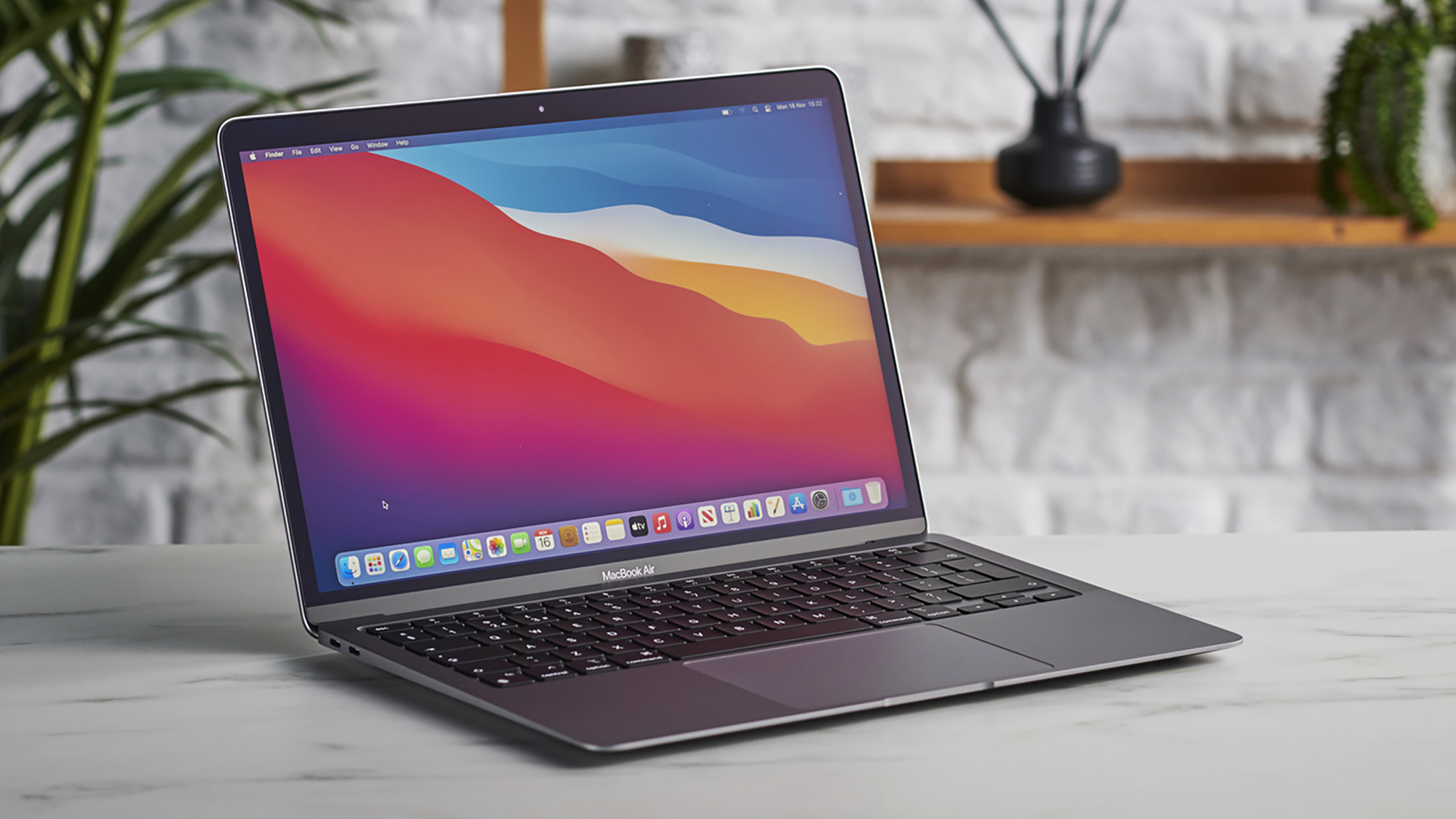
Steve Jobs may have pulled the original MacBook Air out of a manilla envelope to general amazement in 2008, but it was the 2020 refresh of the laptop that realized its full potential: a super-slim laptop that excelled in terms of performance and battery life.
This laptop also ushered in the Apple Silicon era that has proven so successful for the company’s computers. As we wrote at the time, it showed that Apple couldn’t just match what Intel and AMD were doing with their own processors, it could actually surpass them.
4. iPhone 4 (2010)
- What we said in 2010: “We liked almost everything about the iPhone 4”
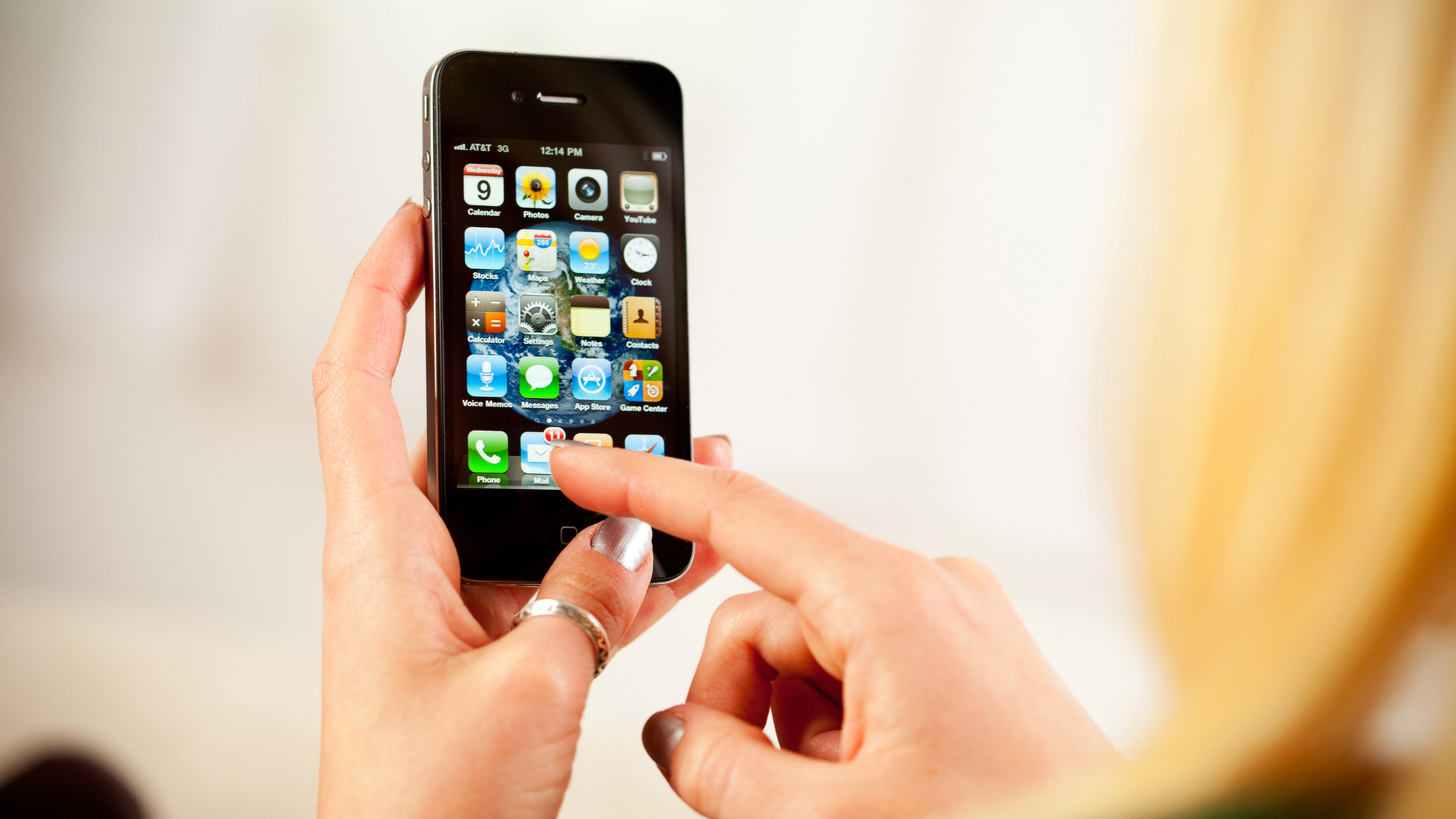
There’s no doubt that the iPhone 4 is one of the most significant Apple phones in history: it had a premium feel (moving away from the curved plastic of its predecessor), a sharp high-resolution Retina display, Apple’s own custom silicon and a front-facing camera for the first time.
Equally important was the launch of iPhone OS 4, which came with the iPhone 4. Supporting multitasking for the first time meant that apps could run in the background, and of course the phone was also the first device that FaceTime was ever demonstrated on. Even some reception issues (dubbed ‘Antennagate’) didn’t stop us from awarding it 4.5 stars back in 2011.
3. iPod Classic (2007)
- What they said in 2007: “For this price, it’s a steal” (CNET)
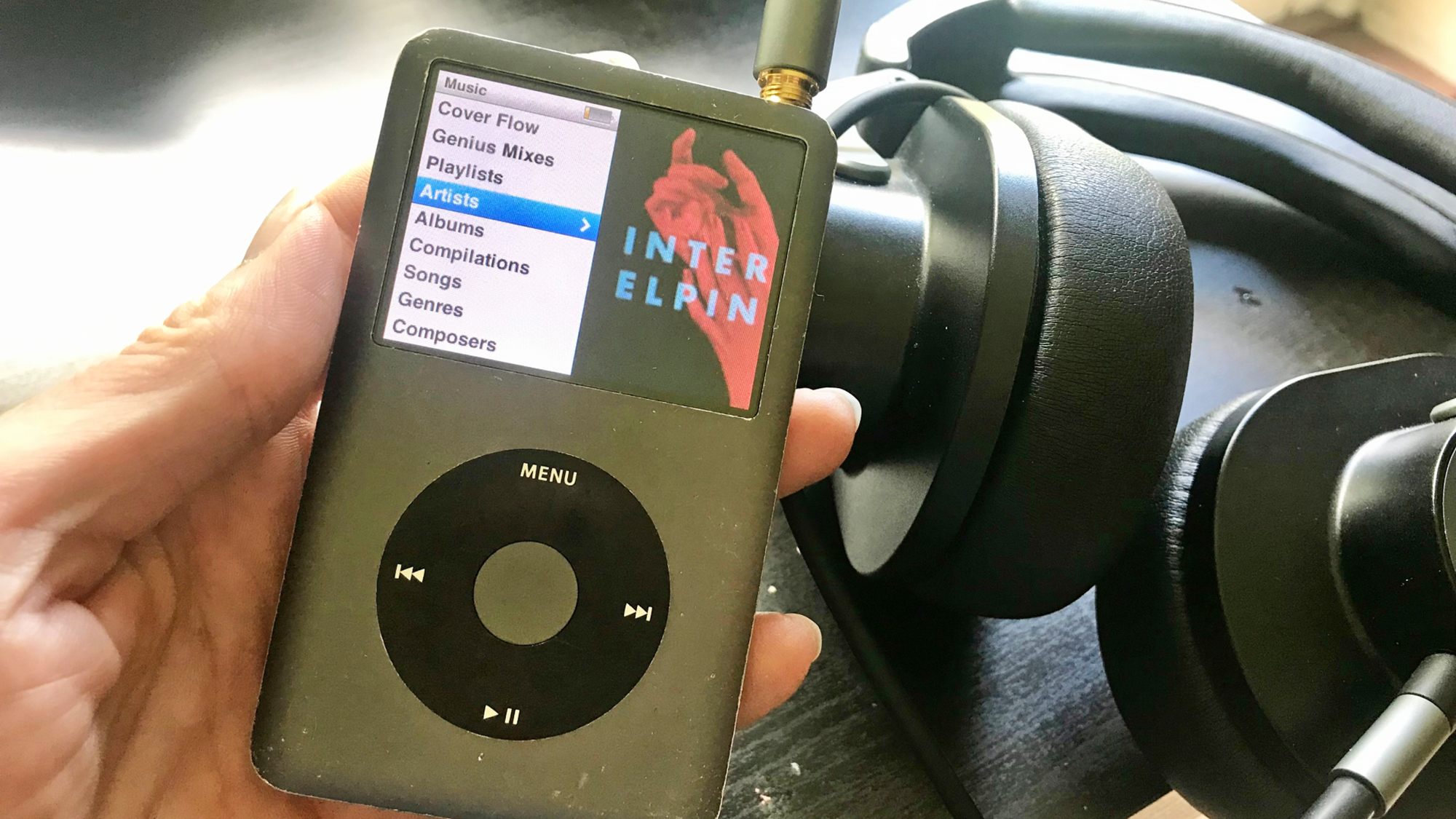
It could be argued that the iPod Classic, launched six years after the original iPod, was when the music player found its ultimate form. It boasts an all-new metal cabinet, up to 160GB of storage (enough room for 40,000 songs) and up to 40 hours of battery life.
It retained the color screen and video playback of its immediate predecessors, and while the sleeker, more modern-looking iPod Touch arrived at the same time, this was the model that serious audiophiles relied on to store their music libraries for years.
2. iPod 1st generation (2001)
- What they said in 2001: “The world’s coolest – and dare we say best – MP3 player” (PCMag)
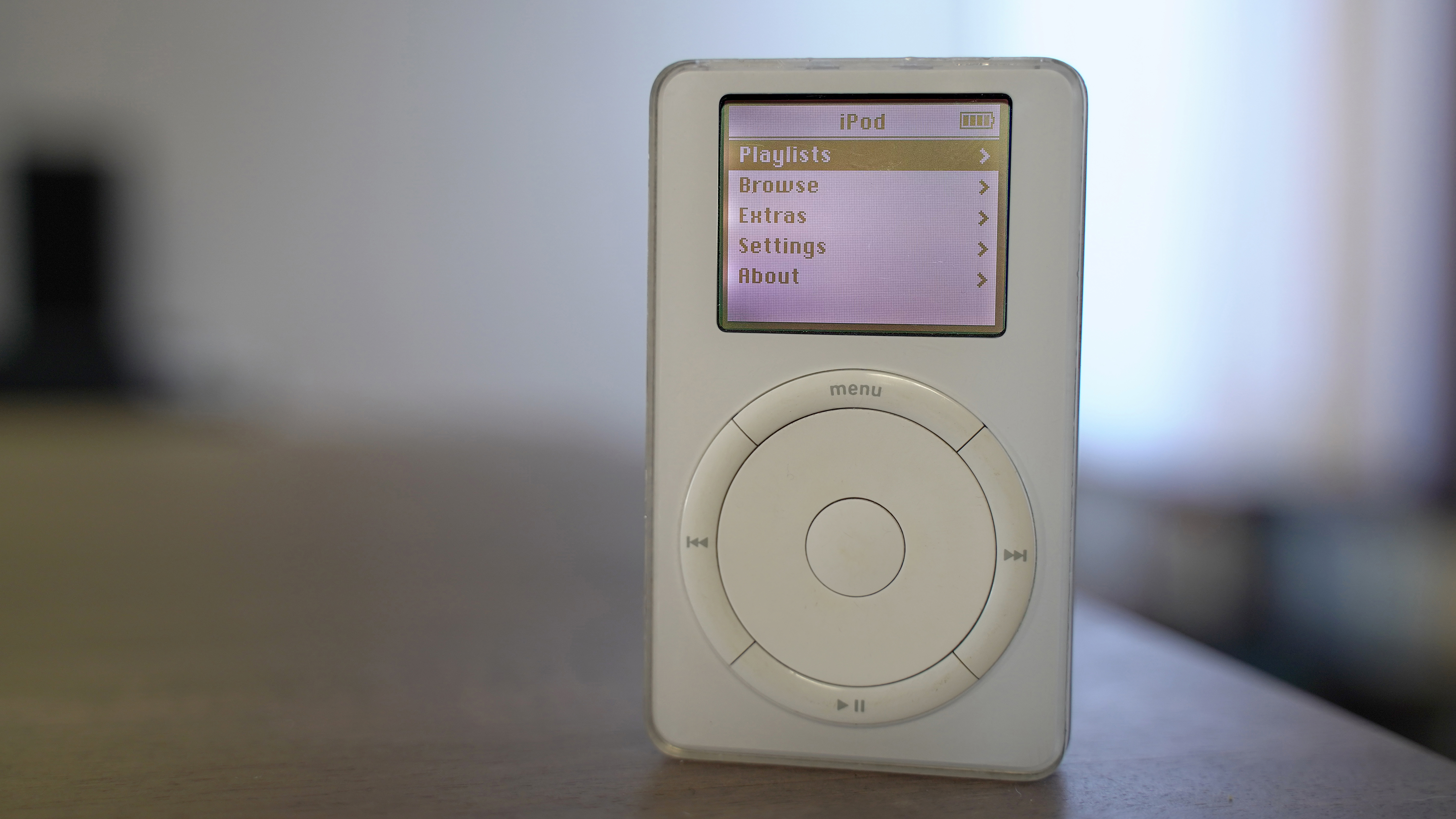
Apple would not be where it is today without the iPod. You could say that about several of its products, but this music player transformed digital music, portable electronics and media consumption and helped set the stage for the first iPhone that would follow.
Yes, the 1st gen model only worked with Macs and initially didn’t sell in big numbers – but it showed how smart and polished a portable music player could be, with the scroll wheel and ‘1,000 songs in your pocket’ tagline both brilliant touches from Apple.
1. iPhone (2007)
- What we said in 2007: “What the iPhone does right, it does excellently”
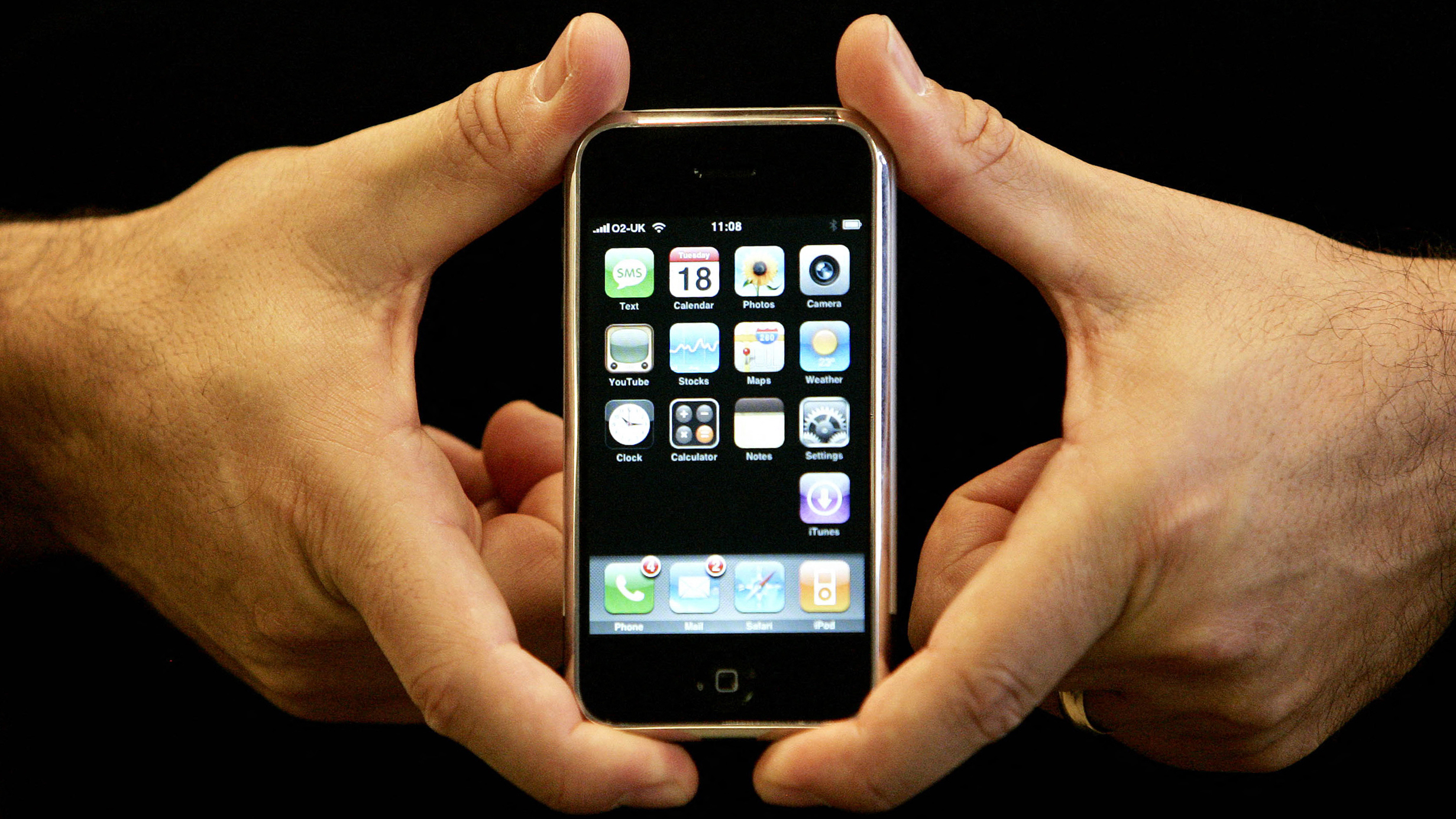
Yes, it’s the first iPhone, a device you could reasonably argue changed the world. It wasn’t the first smartphone launched, but it redefined what a smartphone could be and set the template that almost all mobile phones still follow some 20 years later.
The multitouch screen (only 3.5 inches in size), the software keyboard and true mobile internet were revolutionary for the time, and when the App Store launched the following year (“there’s an app for that”), the iPhone’s prominent place in Apple history was assured.


