

- AMD is rumored to be introducing a 10% price increase on all Radeon GPUs
- Supply issues around VRAM push the price of memory up
- The cost will be passed on to consumers, so Black Friday could be as cheap as GPUs get for quite some time
If you’re considering buying a graphics card, there have been further whispers on the grapevine that price increases could be coming due to the high cost of video memory – meaning Black Friday could be the best chance to get a good deal on a new GPU for some time.
TechPowerUp highlighted (via VideoCardz) that analyst Dan Nystedt at X flagged a (paywalled) report from UDN which claims that AMD has told its graphics card manufacturing partners that prices are set to rise.
AMD has notified supply chain partners that it will raise graphics card prices by 10% across its entire product line due to rising memory chip prices, media reports. It will reportedly be AMD’s second price increase. $AMD $NVDA #Semiconductors https://t.co/pi2hsmmhCA24 November 2025
The article suggests that AMD is raising prices by 10% across its entire Radeon product line due to the rising cost of video RAM (VRAM) modules.
Of course you have to take it with a whole bunch of spices, but we’ve seen several reports in recent times that the rising cost of memory – for both RAM chips and storage – is a very real phenomenon. So it looks like the situation is getting worse for graphics cards when it comes to VRAM, at least on AMD’s side.
Analysis: Acting with some urgency might not be a bad call at this point
GPUs use VRAM to speed up their performance—it’s much faster than relying on the PC’s system memory, since VRAM is right there, on the card, and quickly accessed—and some graphics cards hoard a lot of the stuff.
When AMD sells graphics chips to a partner that makes boards, the practice is to bundle the video RAM modules with it—these are, of course, the two main components of a graphics card. With the cost of RAM increasing by a significant amount, the price of these bundles is increasing and AMD is charging more for its partners.
Of course, these costs will not be absorbed by the card manufacturer, but will be passed on to the consumer who purchases the product. Therefore, Radeon GPUs are likely to be around 10% more expensive on the shelves as the impact of this filters through the supply and production chain, but of course, as mentioned, we have to be careful about rumors and a single report – it could be untrue.
That said, given a lot of speculation about how GPU prices might rise, the evidence is mounting and there’s a growing sense that if you’re looking to buy a graphics card in the near – or even medium term – future, Black Friday could offer the best prices for a while. (There is one tempting Sapphire RX 9060 XT deal on the boil for one thing).
And if you’re thinking that price increases might apply more to high-end graphics cards with lots of VRAM, think again – this will hit more affordable GPUs just as much. In fact, there’s even been a suggestion that some cheaper (mid-range) graphics cards will be canned, as the models that pack more VRAM relative to their price range (mainly more affordable 16GB offerings) are set for disproportionate cost increases – increases that may not make much sense for the product.
I’d take it with even more spice, and the same goes for the rumors that Nvidia is delaying RTX 5000 Super updates due to VRAM supply issues. But still, all of this contributes greatly to the general buy-now-rather-than-wait sentiment currently gripping the GPU market.
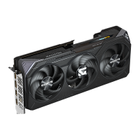
The best graphics cards for all budgets
Follow TechRadar on Google News and add us as a preferred source to get our expert news, reviews and opinions in your feeds. Be sure to click the Follow button!
And of course you can too follow TechRadar on TikTok for news, reviews, video unboxings, and get regular updates from us on WhatsApp also.


