
- Apple updates certificates to preserve iMessage, FaceTime and account functionality beyond 2027
- Updates do not include new features or traditional security fixes
- iOS 16 updates did not renew certificates, leaving some users unsure
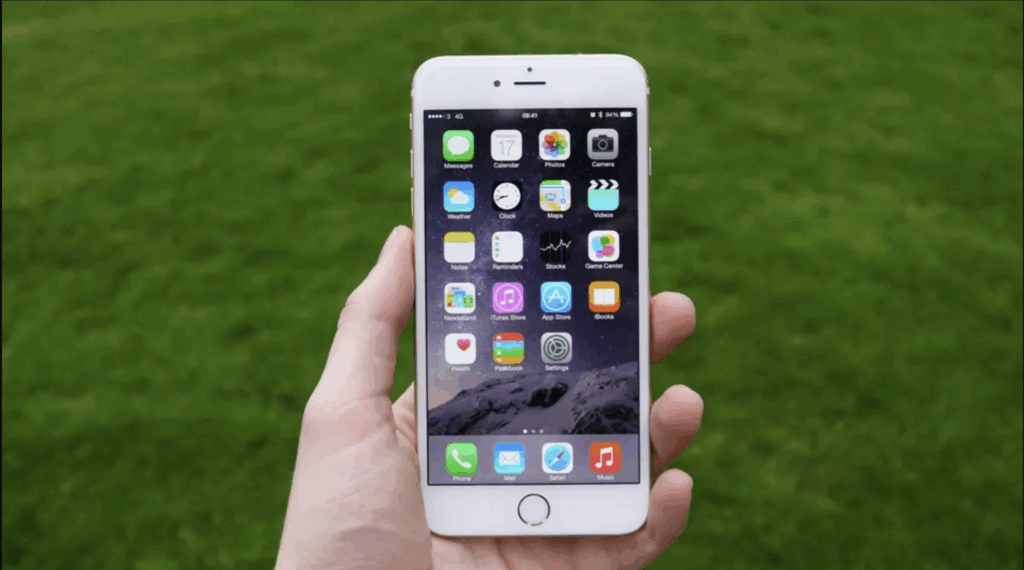
Apple has unexpectedly released updates to some versions of iOS that are more than 10 years old, including iOS 12 and iOS 15.
These updates don’t add new features or fix security flaws in the traditional sense, instead they update the security certificates that allow iMessage, FaceTime, and Apple Account logins to continue working beyond January 2027.
A similar update was also released for iOS 18.7.4, which is not surprising since iOS 18 is still actively maintained on devices like the iPhone XS and iPhone XR – however, Apple’s patching appears to have a gap. iOS 16 received a recent update, but it doesn’t mention certificate renewal, and there’s no corresponding patch for devices stuck on iOS 17.
Newer iPhones didn’t get the update
This inconsistency leaves users of older devices unsure of how long their iPhones and iPads can remain operational with basic services intact.
Devices running iOS versions from 12 to 16 are increasingly impractical as general-purpose smartphones or tablets.
Many of these handsets contain only 1 or 2 GB of RAM, and their outdated Safari browsers lack the features and security protections required to safely navigate the modern Internet.
Third-party apps also stop supporting these versions shortly after release, further limiting usability, but some legacy devices continue to find secondary roles, such as simple messaging phones or single-purpose gadgets.
A device like the iPhone 5S can serve a limited function for years after mainstream support ends.
Apple has a history of extending security updates to older hardware, typically for a year or two after regular support ends.
The latest batch of updates, including iOS 12.5.8 for devices like iPhone 5S and iPhone 6, iOS 15.8.6 for iPhone 6S, 7 and iPad Air 2, and iOS 16.7.13 for iPhone 8 and X, reflect this pattern.
These updates allow older iPhones to continue to perform essential functions even if they cannot handle the latest apps or system functions.
Lots of old iPhones and iPads continue to serve practical purposes long after mainstream support ends, especially in low-income countries where replacing devices is often not an option.
Even models that are more than a decade old can remain useful for tasks that don’t require the latest hardware or software, such as messaging, music playback, or basic automation.
Many users repurpose these devices as dedicated media players, alarm clocks or secondary phones for children, taking advantage of their core functionality.
Therefore, this update, while insignificant, is relevant to keep the essential services like iMessage and FaceTime operational.
Via Ars Technica
Follow TechRadar on Google News and add us as a preferred source to get our expert news, reviews and opinions in your feeds. Be sure to click the Follow button!
And of course you can too follow TechRadar on TikTok for news, reviews, video unboxings, and get regular updates from us on WhatsApp also.


