
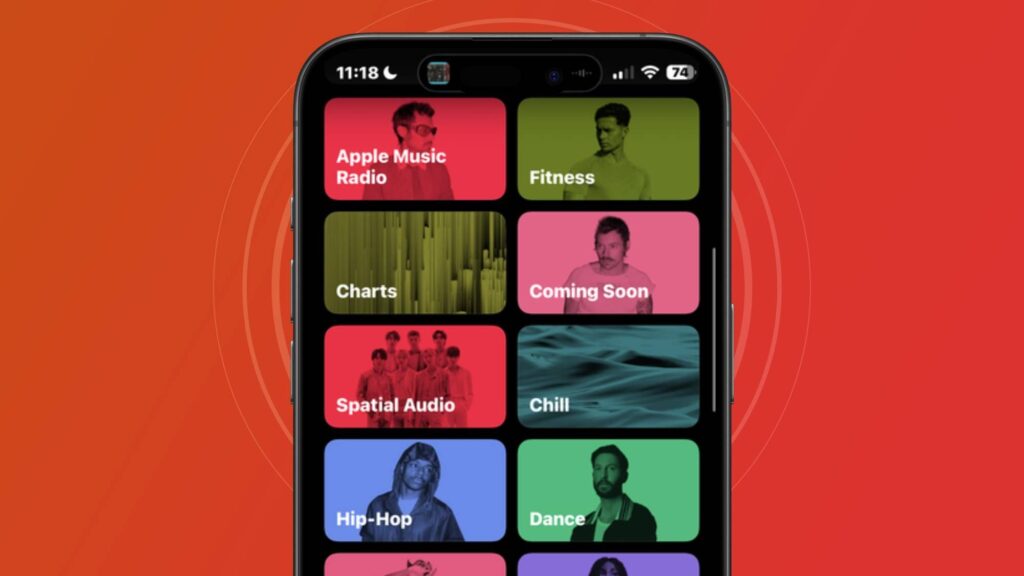
- Apple Music is rolling out its own system for tagging AI-generated music
- ‘Transparency Tags’ will focus on visual elements as well as music composition
- The catch is that the responsibility lies with record companies and distributors
The war between AI and the top music streaming services continues, and Apple Music may be the next to storm the battlefield with its own AI music tagging system.
Dubbed ‘Transparency Tags’, Apple’s flagship music platform is tipped to roll out a new metadata system to help identify AI-generated and AI-assisted music. This was revealed in a newsletter sent out to industry partners on March 4, but there’s a big caveat that seems rather contradictory – the tagging responsibility lies with record labels and distributors.
Before content is submitted to Apple Music, record labels and distributors will have the option to disclose whether AI has been used during the production process, a method Apple is implementing to increase transparency about how companies use AI in music production. The system will focus on four creative aspects.
The first is the music itself, or the ‘Track’ tag, which will be used to show whether AI has contributed to a significant part of the audio recording. This roof is only at track level. On a similar note, the ‘Composition’ tag will be used to highlight that AI was used in a significant part of the music composition, and also marks AI-generated lyrics.
But Apple Music takes it a step further with Transparency Tags, which have a visual focus. In addition to audio tags, Apple Music is rolling out an ‘Artwork’ tag that, as the name suggests, marks AI-generated static and moving images used on the cover of an album or single. The ‘Music Video’ tag is similar to that applied to visual components for albums and stand-alone videos.
Although the newsletter has been limited to the eyes of industry partners, Music Business World shared an excerpt of the announcement; “Correct tagging of content is the first step in providing the music industry with the data and tools needed to develop thoughtful policies around AI,” the outlet begins. “We believe labels and distributors need to take an active role in reporting when the content they deliver is created using AI.”
Despite the information we have so far, Apple hasn’t revealed when Transparency Tags will roll out, but we’ve reached out for further comment and will update this story if we find out more. It’s not surprising to see Apple Music take the initiative before Spotify has even started, but its frustrating loophole is all a bit ‘one step forward, two steps back’.
It is optional, for now…
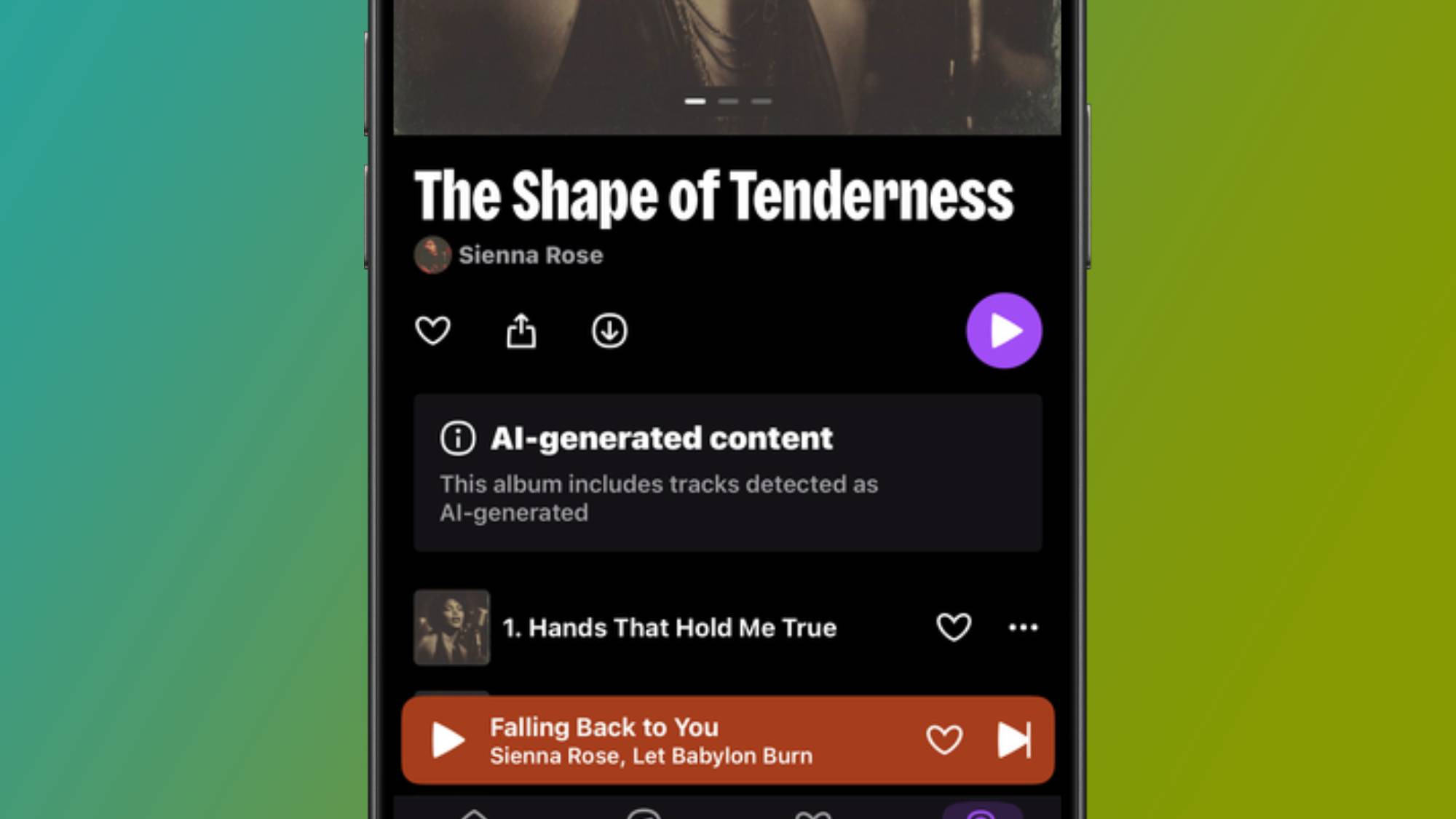
Placing a responsibility like this on record labels and music distributors welcomes a number of problems. First, since it’s essentially an opt-in program, it doesn’t guarantee 100% transparency, as labels can easily choose not to disclose such information, but who can blame them?
You could deliver the best song in the world, but having an intrusive ‘AI’ tag slapped on your song isn’t the most attractive – as a passionate music fan, I’d immediately skip a song if it had this. It’s also a hindrance to streaming tracks that labels aren’t willing to risk. Even if a song only has a small portion of AI-generated audio for creative purposes, most listeners will assume the entire song is AI-generated and skip accordingly.
That said, the opt-in system may simply be a temporary placeholder for now, as Music Business World reports that Transparency Tags may become a required practice for labels and distributors when providing content to Apple Music. It’s a very different approach to those taken by its rivals. Deezer, for example, has developed its own AI detection tool, which it recently made available to competitors, while Bandcamp has banned AI-generated music altogether.
That just leaves Spotify to join the growing army of music streamers against AI, but while it tightened new impersonation rules for music uploads, it has yet to follow suit with a legitimate system that clearly feels the AI slop.
Follow TechRadar on Google News and add us as a preferred source to get our expert news, reviews and opinions in your feeds. Be sure to click the Follow button!
And of course you can also follow TechRadar on YouTube and TikTok for news, reviews, video unboxings, and get regular updates from us on WhatsApp also.


