
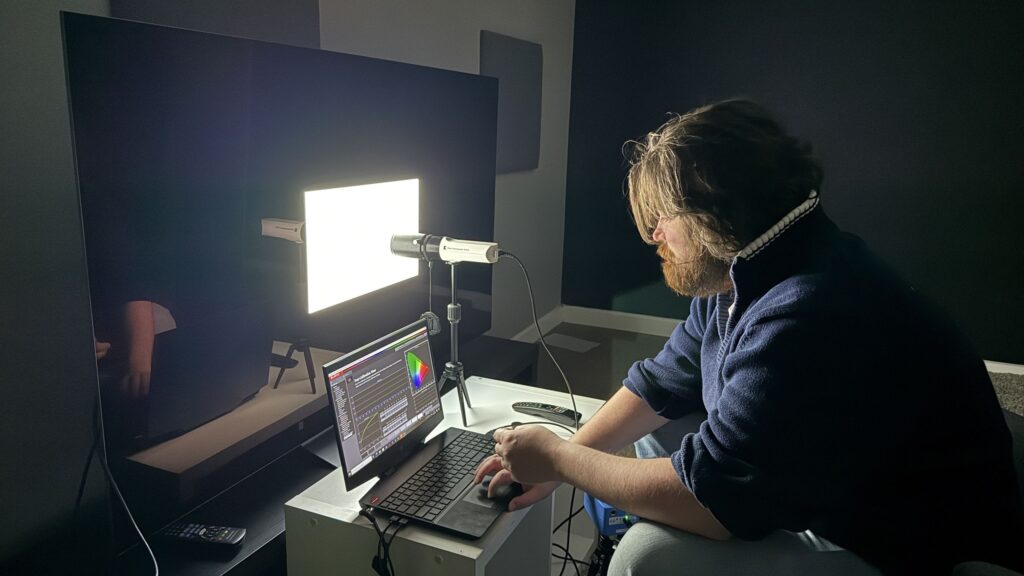
- A 3-year test of OLED TVs showed that burn-in is highly unlikely with mixed viewing
- Edge-lit LCDs seem to fail before other kinds of TVs in the test
- However, there is no clear correlation between price and lifespan
When I was a teenager, I used to devour scary stories, but nothing I read was as scary as the story of the OLED with burn-in. You’re probably familiar with it too: It’s a tale of someone who buys one of the best OLED TVs, only to see the logo of their favorite channel or the HUD of their favorite game burned into the screen forever. But like many cautionary tales, the likelihood of this happening may be less these days than the stories suggest.
At least that’s what the results of an ongoing investigation of Rtings say. The folks there have run over 100 TVs at maximum brightness for three years, and they’ve accumulated 18,000 viewing hours for each one. And while some OLEDs did indeed have problems, LCDs suffered far more serious problems.
Look at
How do OLED and LCD TVs handle nearly 20,000 viewing hours?
The ongoing tests have shown several things, most notably that the lower edge-lit LCD TVs seem to fail faster than LCDs with better forms of backlighting: the tested models suffered from warped reflector plates, cracked light guide plates and burnt-out LEDs due to the heat they generate – although it is important to note that these tests give the maximum brightness of the TVs, which is necessary. at home. That makes this a TV torture test.
By November 2025, 20 of the 100 TVs that started their tests in 2022 had failed completely, and another 24 had experienced partial failures. The site has published full details of these errors and partial errors here.
What about OLEDs? Rtings found that both WOLED and QD-OLED TVs performed “exceedingly well”, and although burn-in developed during the torture test that shows a single logo on the screen for all the time, which “isn’t really a problem under mixed use”. Every tested OLED developed burn-in, but previous tests showed that unless you’re constantly watching content with static logos, you’re unlikely to encounter issues with models from 2022 or later.
It’s also worth noting that 18,000 hours of runtime is a lot more than most people will see before upgrading their TV: if you watched TV for three hours every day, it would take you over 16 years to reach that number.
So what does this mean for potential TV buyers? While many of the entry-level TVs failed over time, Rtings found no direct correlation between price and lifespan. But it found that OLEDs tended to be the most reliable and edge-lit LCD the least, so if you’re in the market for a new TV, OLED or LCD with local dimming zones may be the best buys.
Good news! In our guide to the best TVs, we only recommend options that fit this bill.
The best TVs for all budgets
Follow TechRadar on Google News and add us as a preferred source to get our expert news, reviews and opinions in your feeds. Be sure to click the Follow button!
And of course you can too follow TechRadar on TikTok for news, reviews, video unboxings, and get regular updates from us on WhatsApp also.


