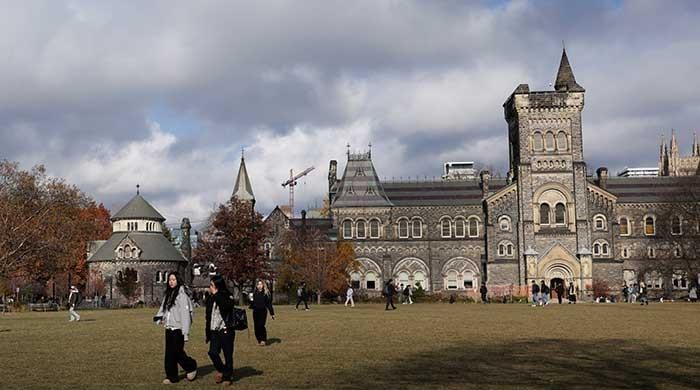
Canada launched a CAN$1.7 billion ($1.2 billion) program on Tuesday to recruit leading global researchers, as part of efforts to poach intellectual talent who want to leave the United States because of President Donald Trump’s policies.
Top Canadian institutions — including the country’s largest hospital network and the University of Toronto — have previously announced multimillion-dollar strategies to recruit experts whose work has been affected by Trump’s broad cuts to scientific research.
Canada’s federal government has now joined the effort in what it called “one of the largest recruitment programs of its kind globally.”
The plan is not strictly for US-based researchers who are influenced by Trump.
A statement from the industry and health ministries says the goal is “to attract and support more than 1,000 leading international and expatriate researchers,” including French speakers.
But asked by AFP at a press conference on Tuesday, if scientists alienated by the president would be targeted for recruitment, Industry Secretary Melanie Joly said, “some countries are turning their backs on academic freedom. We will not do that.”
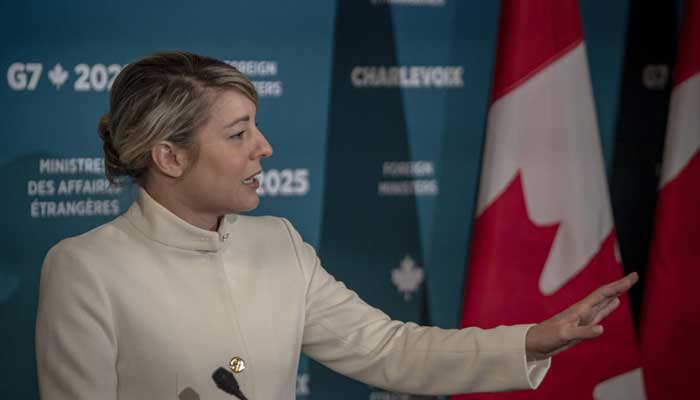
The recruiting effort would be global, she said, but added: “We know a lot of people south of the border are raising their hands and already showing interest. Our universities are already starting to have those conversations.”
Experts have warned that Trump’s policies could trigger major shifts in the global competition to hire some of the world’s brightest minds, which for decades has been dominated by deep-pocketed US universities backed by robust federal funding.
Trump’s funding cuts have affected a number of research projects, and studies involving climate change or diversity, equity and inclusion have been severely affected.
The European Union also made a push to attract American researchers, announcing an incentive package worth 500 million euros ($582 million) earlier this year to make the 27-nation bloc “a magnet for researchers.”
Joly said a priority would be to encourage leading Canadian researchers working abroad to return.
“I think for a long time in Canada we’ve been talking about brain drain,” Joly said, expressing hope that the country would now be able to “bring our people back home.”