

- Perplexity’s AI-powered Comet browser is now available on Android
- The app includes voice chat, instant overviews and built-in AI assistance while browsing
- It is one of the first browsers designed from the ground up to be a mobile AI co-pilot
The Perplexity Comet browser has officially launched on Android, marking one of the first full-fledged attempts to recreate mobile browsers around AI assistants. Comet is positioning itself ahead of the almost inevitable release of a mobile version of ChatGPT’s Atlas, which is still limited to Mac, or Google’s likely rebuilding of the mobile version of Chrome around Gemini.
The Android version of Comet, like the desktop version, lets you ask questions about what’s on your tabs, summarize everything you’re reading, and speak in voice mode to chat about what you’re looking for. It doesn’t have all the latest upgrades and improvements of the original Comet, and there’s still no history or bookmark sync between mobile and desktop. Still, it’s one of the most fully realized tips for turning mobile browsing into a two-way conversation.
The voice interface is likely to be a main attraction for potential users, as mobile browsers are more useful when your hands are full or you’re otherwise unable to type on the screen.
Look at
Comet’s arrival on Android matters because phones are where we live now. Most of us don’t search from large screens or look for answers on full-sized tabs. Switching between apps and scrolling on small screens is much more common. Comet tries to make it easier by skipping the tap-and-type routine and jumping straight into the answers.
This is not just a Chrome clone with an AI plugin. On desktop, Comet has already attracted attention for its built-in assistant and summary tools. The mobile version brings this vision into your pocket, including ad blocking and on-the-fly analysis of whatever you’re looking at for voice chat.
Comet in motion
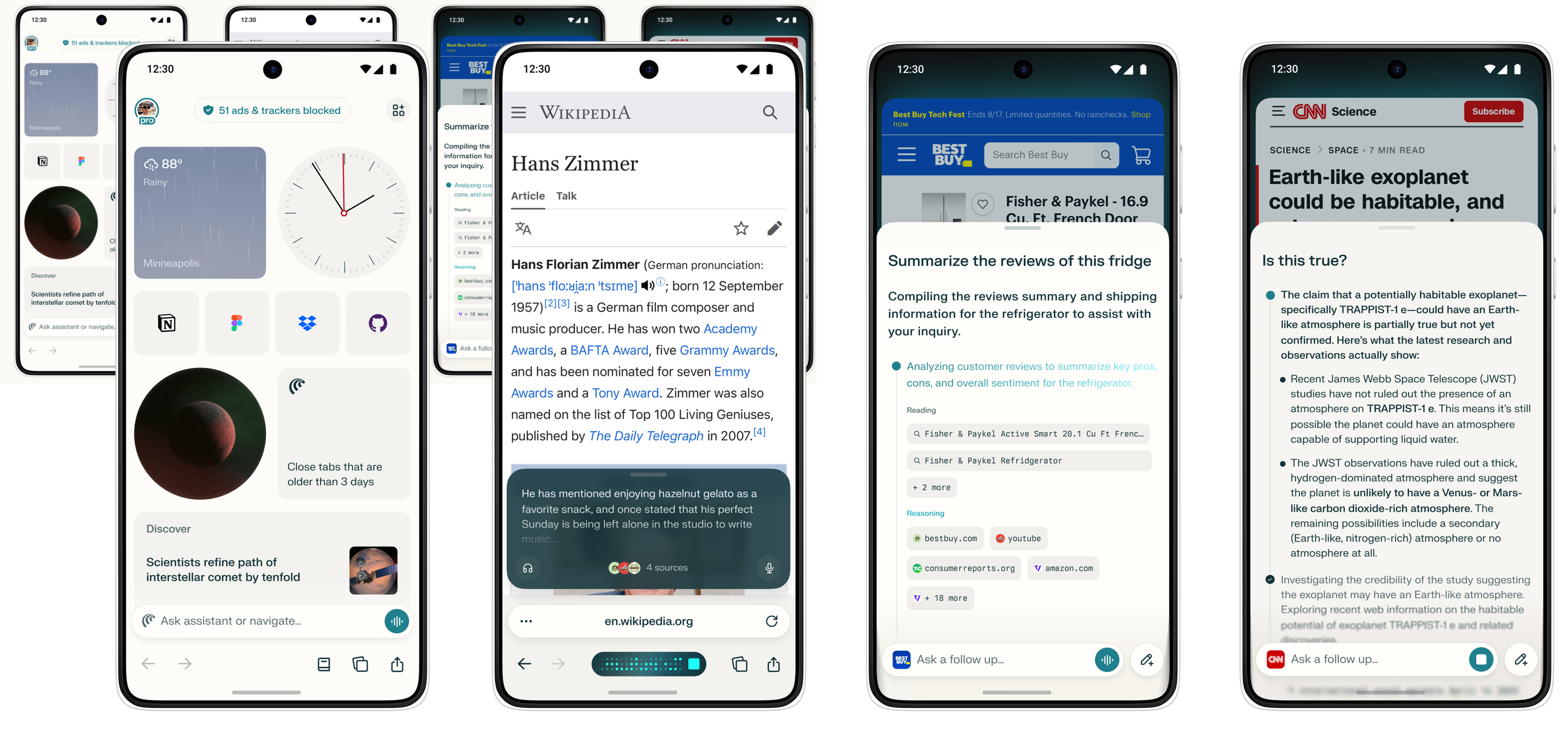
Not that it’s perfect. Since Comet does more than just load pages, it can feel a bit slower at times. And getting a summary of a long article or forum thread is not instantaneous. But if you’re okay with a little delay, the results definitely live up to the requests.
After such a long period of time where it felt like companies needed a unique app for every feature, it’s notable that Perplexity is making its capabilities part of a browser instead of just leaving it to Chrome or Safari. Comet’s pitch is more about giving a browser an ever-present companion to distill and compare what you see with the rest of the Internet. And finally, with agentic tools, it can act on your behalf.
Comet’s appeal isn’t all that different from what Microsoft’s Copilot and Google’s Gemini both offer, not to mention independent platforms like Brave and the Leo assistant baked into the browser’s privacy-first DNA. However, Comet’s notion of artificial intelligence as part of the standard browsing experience remains untested.
Some people will embrace having an extra brain riding shotgun through their web sessions. Others may balk at the notion of a browser interpreting what they read. But making browsing more of a dialog isn’t terrible if done right, especially when the web browsing experience feels degraded in recent years. Confusion is betting that people are ready for something like Comet to give us the answers that can feel like too much effort to achieve when surfing alone.
Follow TechRadar on Google News and add us as a preferred source to get our expert news, reviews and opinions in your feeds. Be sure to click the Follow button!
And of course you can too follow TechRadar on TikTok for news, reviews, video unboxings, and get regular updates from us on WhatsApp also.

The best business laptops for all budgets


