
- Scalpers target DDR5 RAM as AI demand tightens global supply
- Automated bots hit DDR5 listings six times more than real shoppers
- Over 10 million scratch requests were blocked in a single campaign
You’ve probably seen the havoc that scalpers can wreak, as limited edition sneakers, flights, big concert tickets and the PlayStation 5 have all seen their prices skyrocket, while bots scoop up inventory in seconds and flip it to make a profit, effectively shutting regular buyers out of the market.
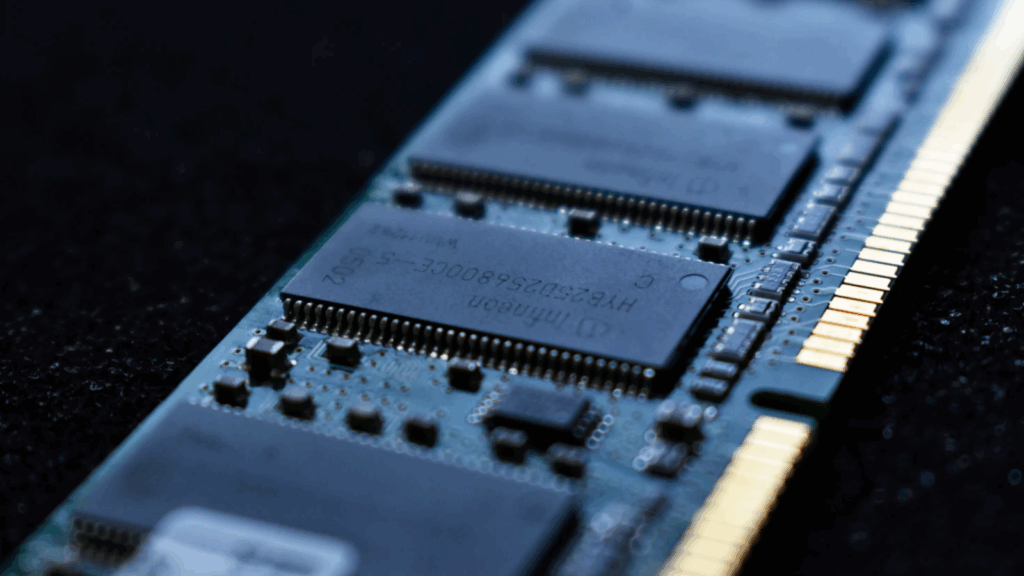
DDR5 RAM is the latest target for scalpers as automated buying tools facing increasing shortages move in quickly, making a bad situation even worse.
The increase in AI workloads is driving the pressure. Training large language models and running inference servers requires massive amounts of memory, and manufacturers are shifting production towards higher-margin AI-focused products such as HBM, straining consumer DDR5 supply in the process.
10 million blocked scraping requests
Recent research by the Galileo threat team found that scalping bots hit DDR5 product pages almost six times more often than legitimate shoppers. In one campaign alone, more than 10 million scraping requests were blocked.
In a one-hour test, bots made 50,000 requests across 91 DDR5 lists. Each product page was checked an average of 551 times, which equates to inventory checks every 6.5 seconds.
This wasn’t limited to flashy RGB kits for PC enthusiasts. Bots targeted the entire supply chain, from consumer modules from Corsair, Crucial, Kingston and Lexar to OEM and industrial suppliers such as Micron and Apacer.
Even upstream components such as DDR5 DIMM sockets from Amphenol and TE Connectivity are monitored, indicating stress across the entire supply chain.
The automation is deliberate. Almost every request contains cache-busting parameters, sessions consist of a single page hit and exit, and there is no browsing or cart activity.
Traffic runs in a flat, mechanical pattern seven days a week. When technical problems occur, activity drops immediately and then immediately returns to full volume, a rhythm that does not follow any human shopping pattern.
As with sneakers and consoles, automatic purchases lock out regular customers. The difference here is that the frenzy isn’t driven by hype, it’s driven by AI infrastructure.
Follow TechRadar on Google News and add us as a preferred source to get our expert news, reviews and opinions in your feeds. Be sure to click the Follow button!
And of course you can too follow TechRadar on TikTok for news, reviews, video unboxings, and get regular updates from us on WhatsApp also.


