
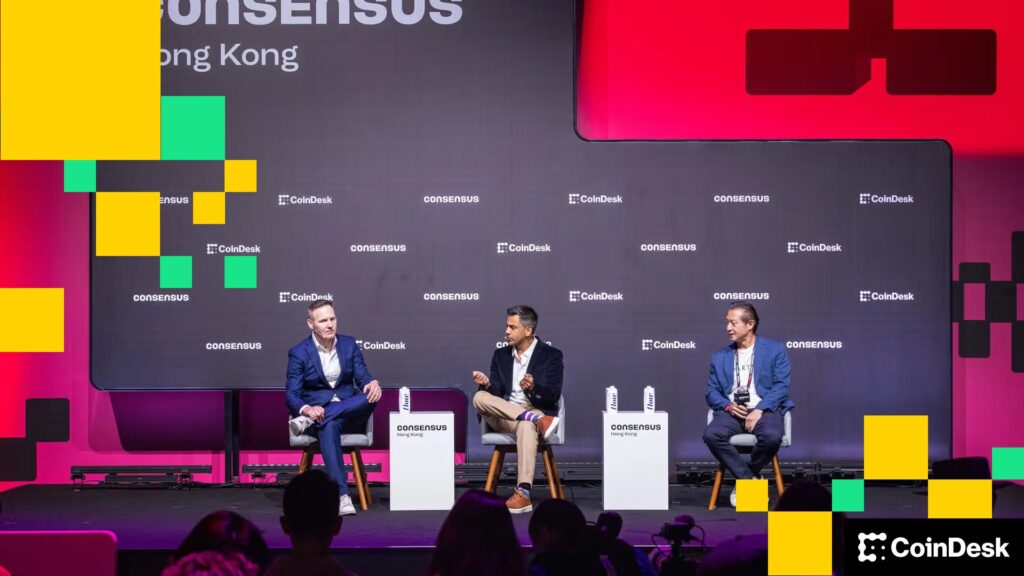
The intersection of crypto and artificial intelligence (AI) has entered a quieter, more selective phase, according to two prominent venture capitalists.
Anand Iyer of Canonical Crypto and Kelvin Koh of Spartan Group described the current climate as a post-hype moment for decentralized AI protocols, with capital and talent shifting towards more focused, utility-driven applications under Consensus Hong Kong 2026.
“I think we’re at the bottom right now,” said Iyer, whose San Francisco-based company is backing early infrastructure and applications built on decentralized networks. “We went through a frothy period. Now it’s about finding out where the real strength lies.”
Both Iyer and Koh criticized what they see as overinvestment in GPU marketplaces and attempts to build decentralized alternatives to big AI models like those from OpenAI or Anthropic. The capital required, Koh noted, is “night and day” compared to what’s available in crypto.
Instead, they see potential in purpose-built full-stack solutions, tools that start with a specific problem and build down to the model, computer and data layers.
Iyer pointed to startups skipping expensive SaaS tools and using AI to build custom internal systems in days. “Speculation will not drive the product anymore,” he said. “We have to think about the users first.”
Both investors emphasized the importance of proprietary data, regulatory advantages or go-to-market advantages as new forms of competitive moats.
For founders looking to raise capital, Koh offered a blunt piece of advice: “Twelve months ago, having a wrapper on ChatGPT was enough. That’s no longer true.”


