
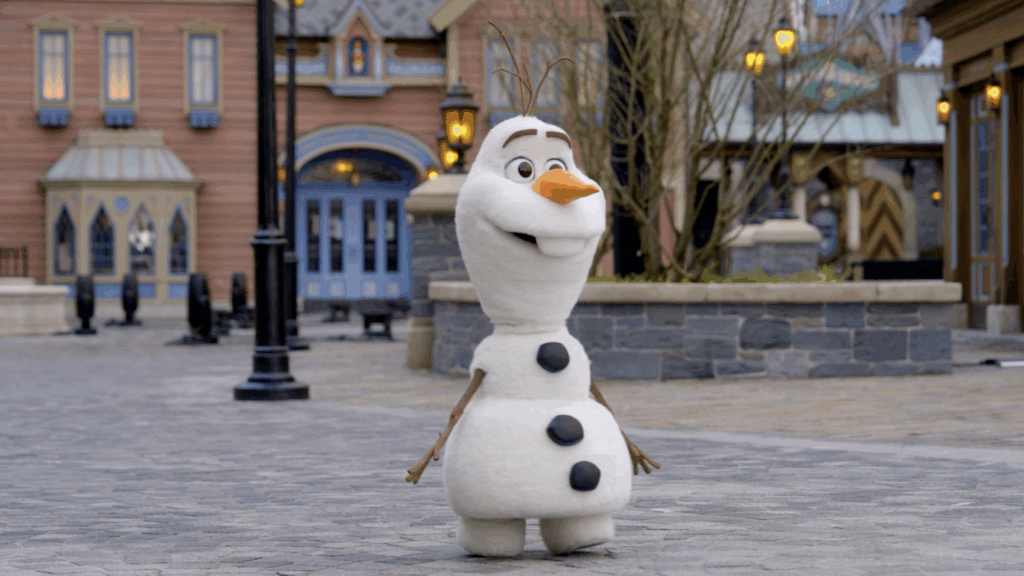
- Disney is bringing a self-driving Olaf to two parks in early 2026
- It looks even cooler than the Star Wars BDX Droids
- Olaf was built by Disney Imagineering
Disney Imagineering has already created a bevy of animatronics and robots, perhaps none more lovable than the Star Wars BDX Droids, but this next one is so real it’s chilling. Olaf, the walking, talking and clever snowman we all know from Frozenis now a reality in the form of an incredibly animated, lifelike and perhaps even life-sized robot.
And this is not a proof of concept – Olaf will arrive in the frozen worlds of Hong Kong Disneyland and Disneyland Paris in early 2026. He won’t be on the trail either, and as described in the latest episode of Disney’s We call it Imagineering which just dropped on YouTube, this is a next-generation robot character that can deliver full interaction with the audience.
Although this robot from Disney Imagineering looks a little different from previous generations from the same group, and even the BDX Droids, Olaf is really the next step here. He was built, prototyped and designed by the same group – Disney Research – in Zurich, Switzerland.
At its core, in addition to the actuators and other physical components, is reinforcement learning—a form of artificial intelligence that lets the robot practice thousands of movements inside a computer simulation. Instead of engineers manually programming each step, Olaf “learns” how to walk, balance and gesture through trial and error until his movements look natural.
It’s also important to note that while AI is used to train the robot’s movements, this is not an AI character. Olaf will still be controlled or driven by a Disney cast member. It’s a similar approach to what Disney uses with BDX Droids: autonomy can help with movement, training or certain pre-recorded actions, but at the end of the day, Olaf is still a character – just like when you meet Mickey.
Much like the work done to animate Olaf by Walt Disney Animation Studios, Imagineering develops Olaf’s gait and other movements on a much faster timeline for the robot to perform. This is how Olaf looks like he’s waddled off the screen from Arendelle and into the World of Frozen at a Disney park – effortlessly gliding along the pavement and subtly floating his head as he takes in the world around him.
With Olaf, as with Disney’s other animatronics, it’s all about taking these characters from the screen and the stories and presenting them in real life in ways that allow parkgoers and guests to interact with them. Three principles were in Olaf’s mind – “alive, curious and unmistakably himself.”
Given Jensen Huang’s – CEO and founder of Nvidia – remarks about the robot, I think Disney hit the nail on the head: “How is it possible that Disney made all this technology and shrunk it into a tiny little snowman, just to make me happy? The magic is so incredible.”
It also means what Disney Imagineers have consistently told TechRadar and me in conversation: it’s not just technology for technology’s sake; it is for immersion and storytelling.
Unlike the roaming BDX Droids, Walt Disney A-1000 Animatronic, or even an audio-animatronic placed in a ride, you will be able to talk to Olaf, or maybe even find him walking up to you in Hong Kong Disneyland and Disneyland Paris. It’s still unclear whether these interactions will be conserved, pre-recorded or even autonomous, but it’s ambitious nonetheless.
We saw a similar interaction over the summer at Disneyland in Anaheim, California, when HERBIE from Fantastic four arrived at the parks for a meet and greet and the robot would respond. It’s also important to note that HERBIE was created for the parks at the request of Matt Shakman, the film’s director, and that Imagineering did it in a matter of months.
Picture 1 of 8
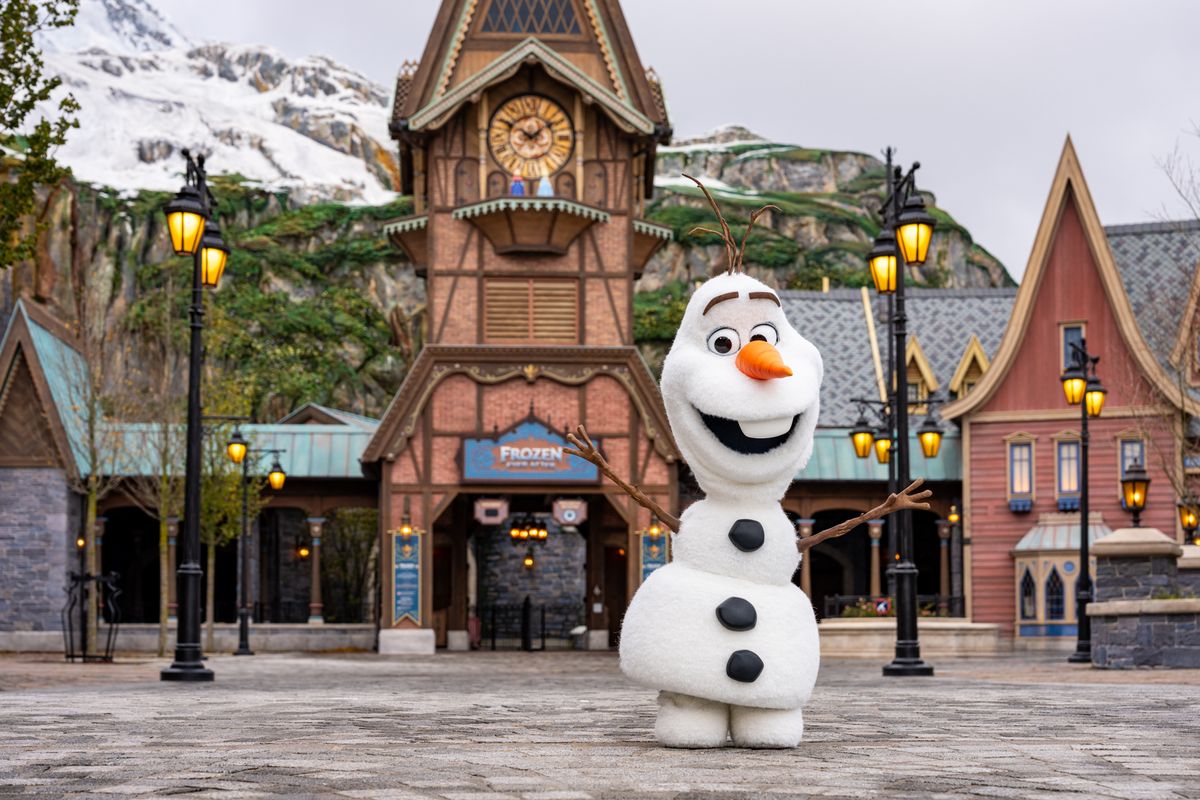
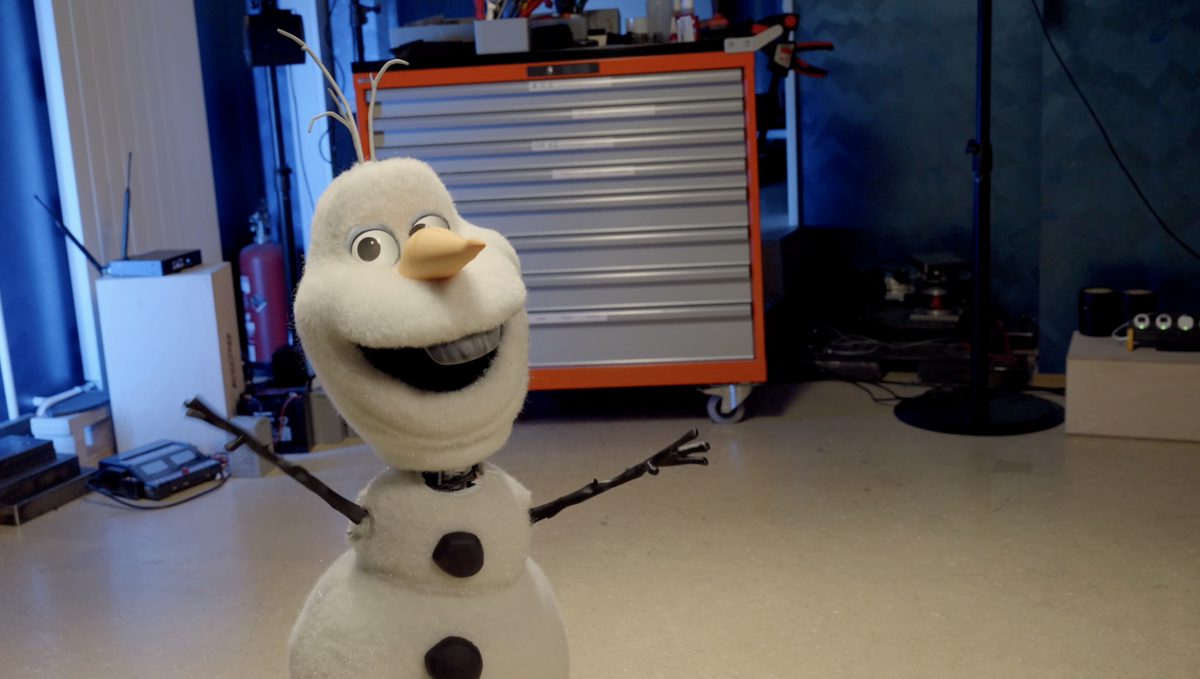
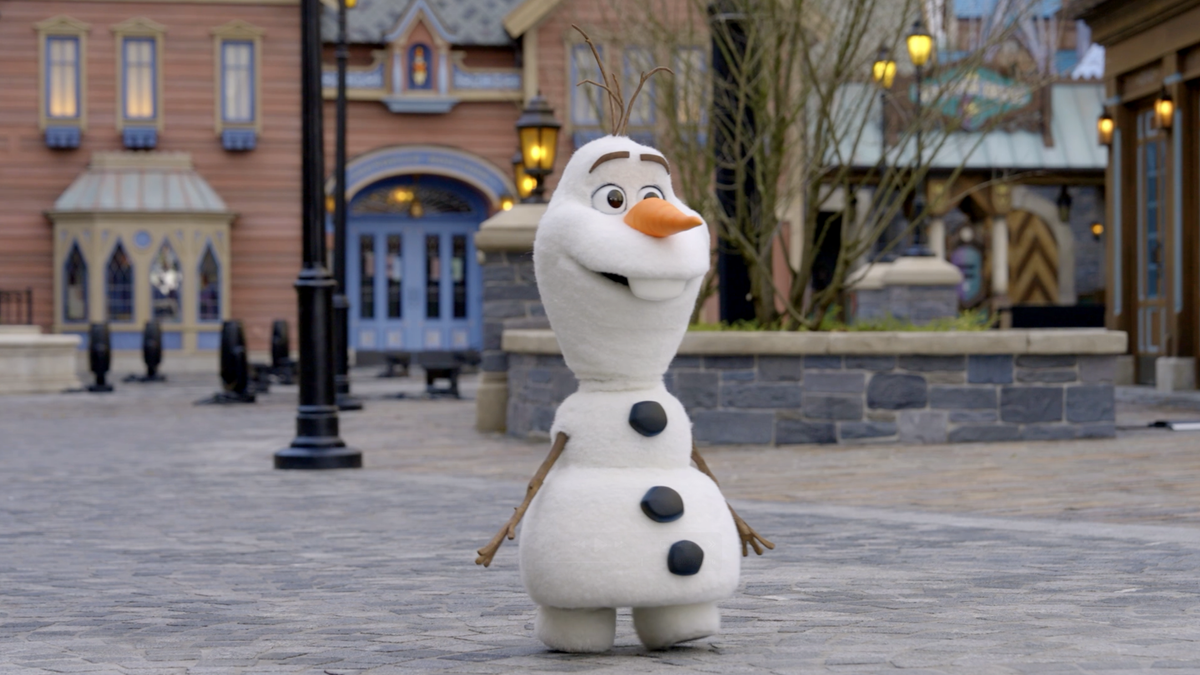
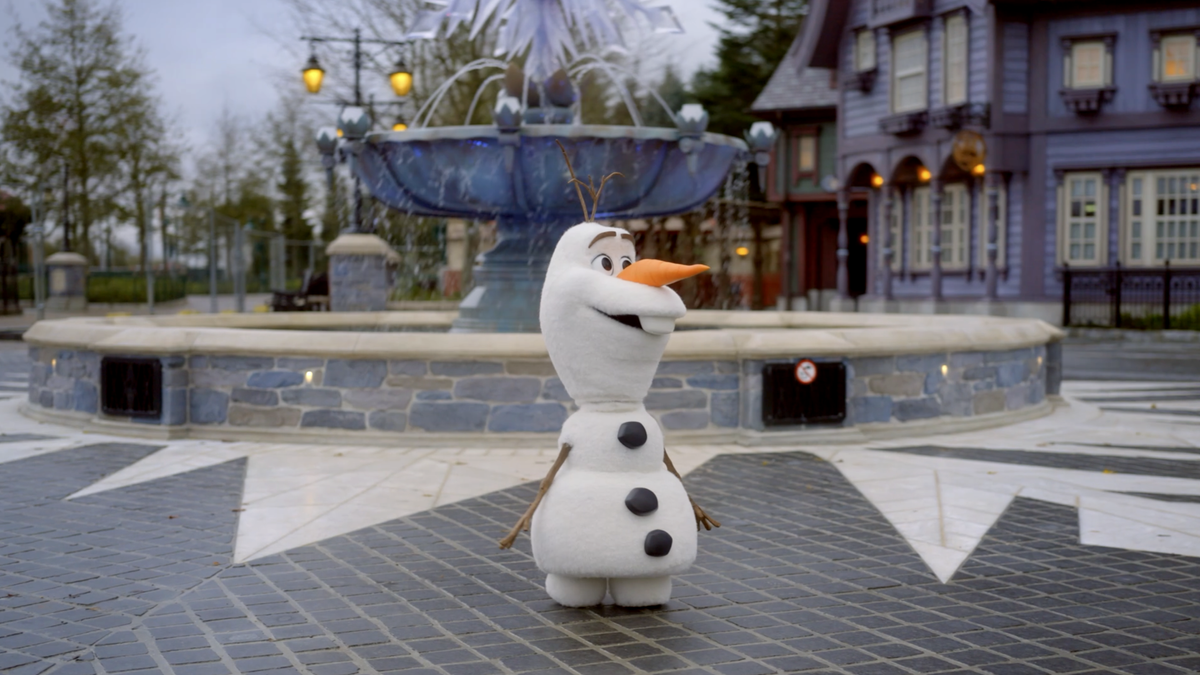
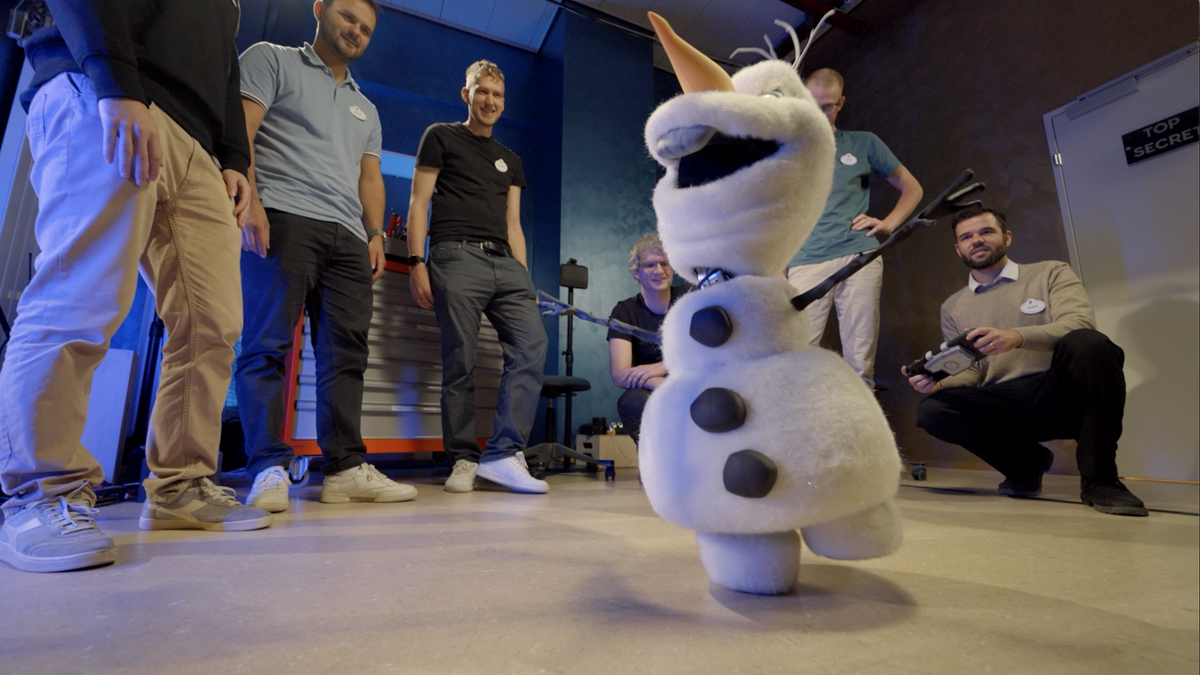
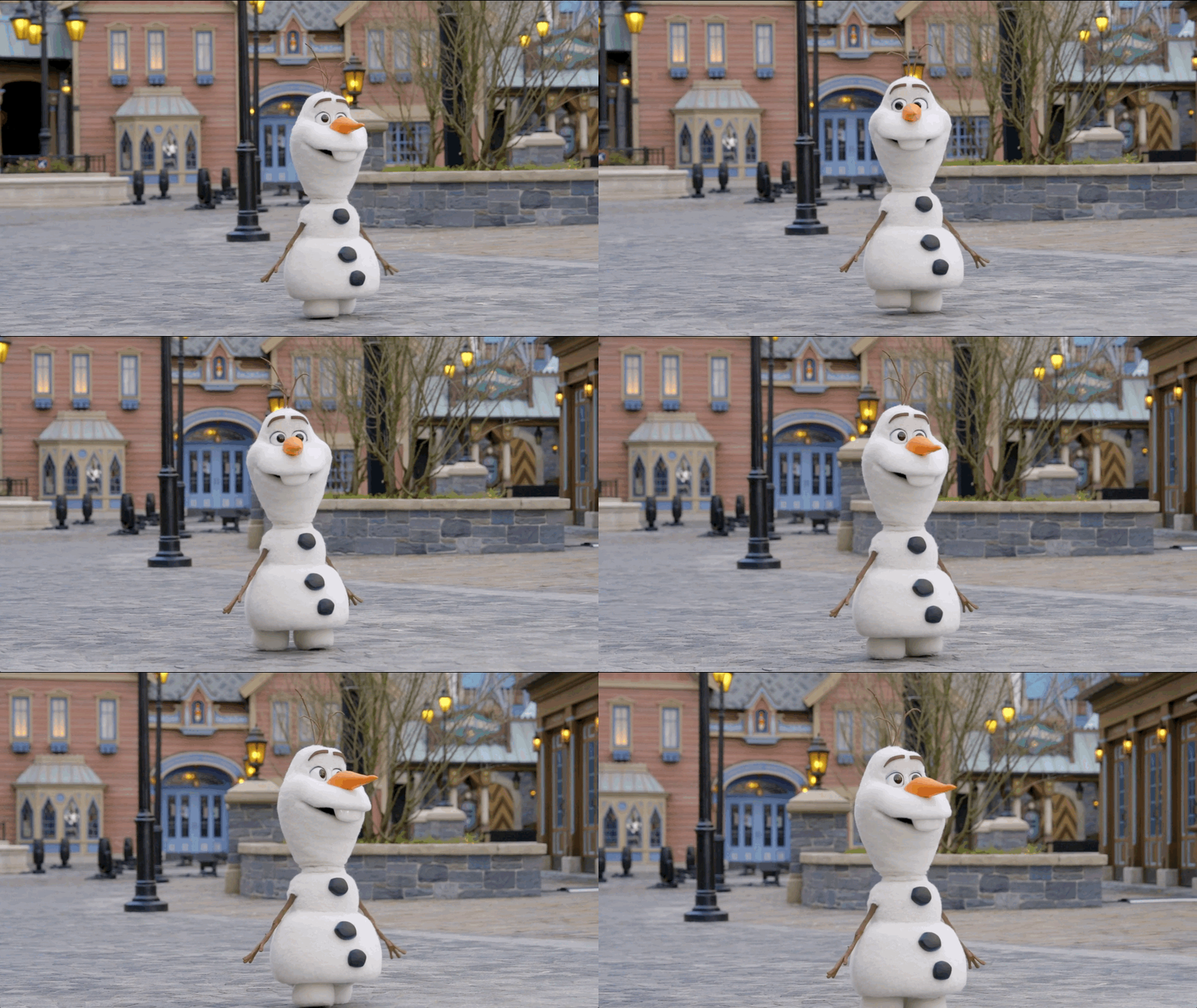
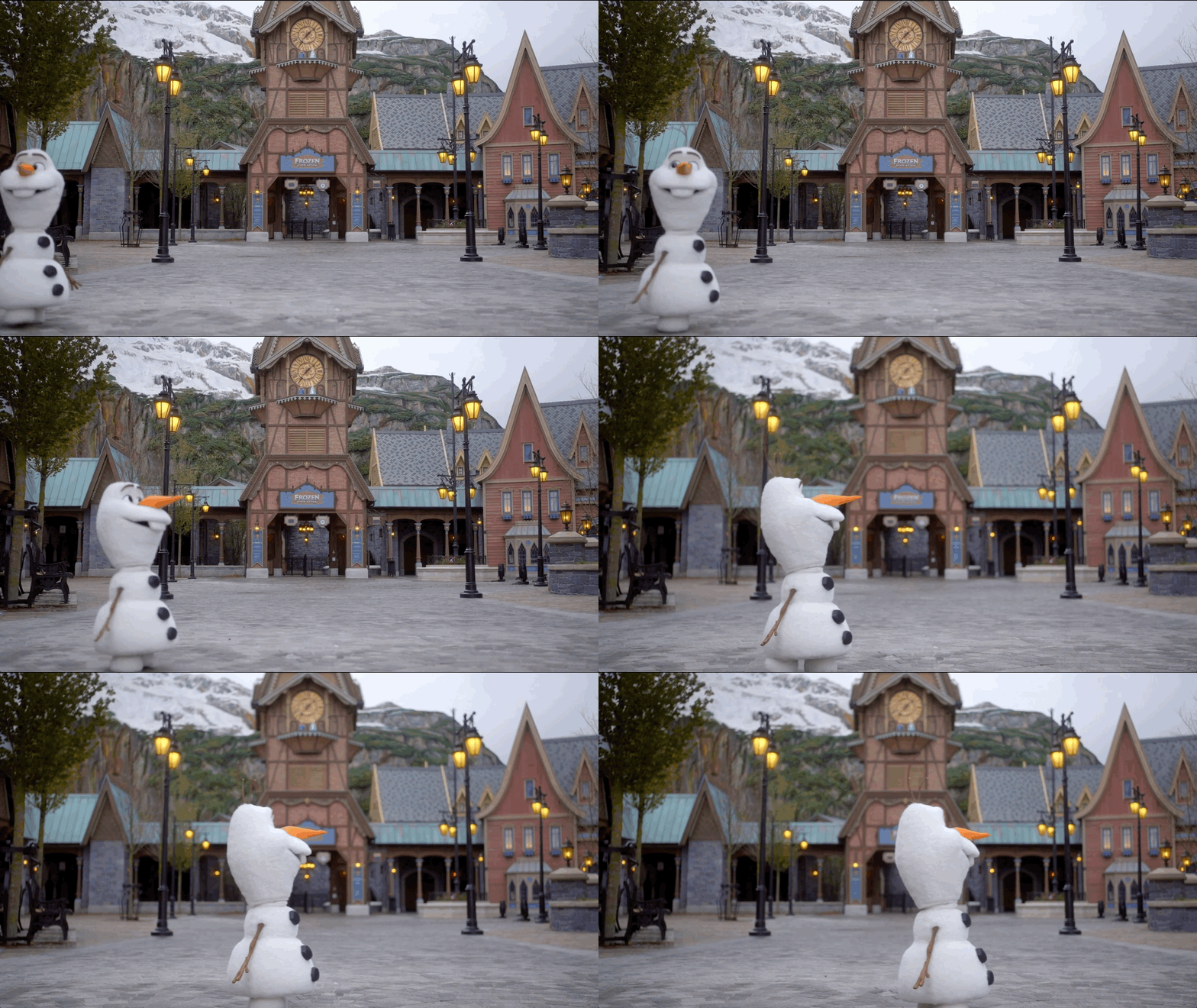
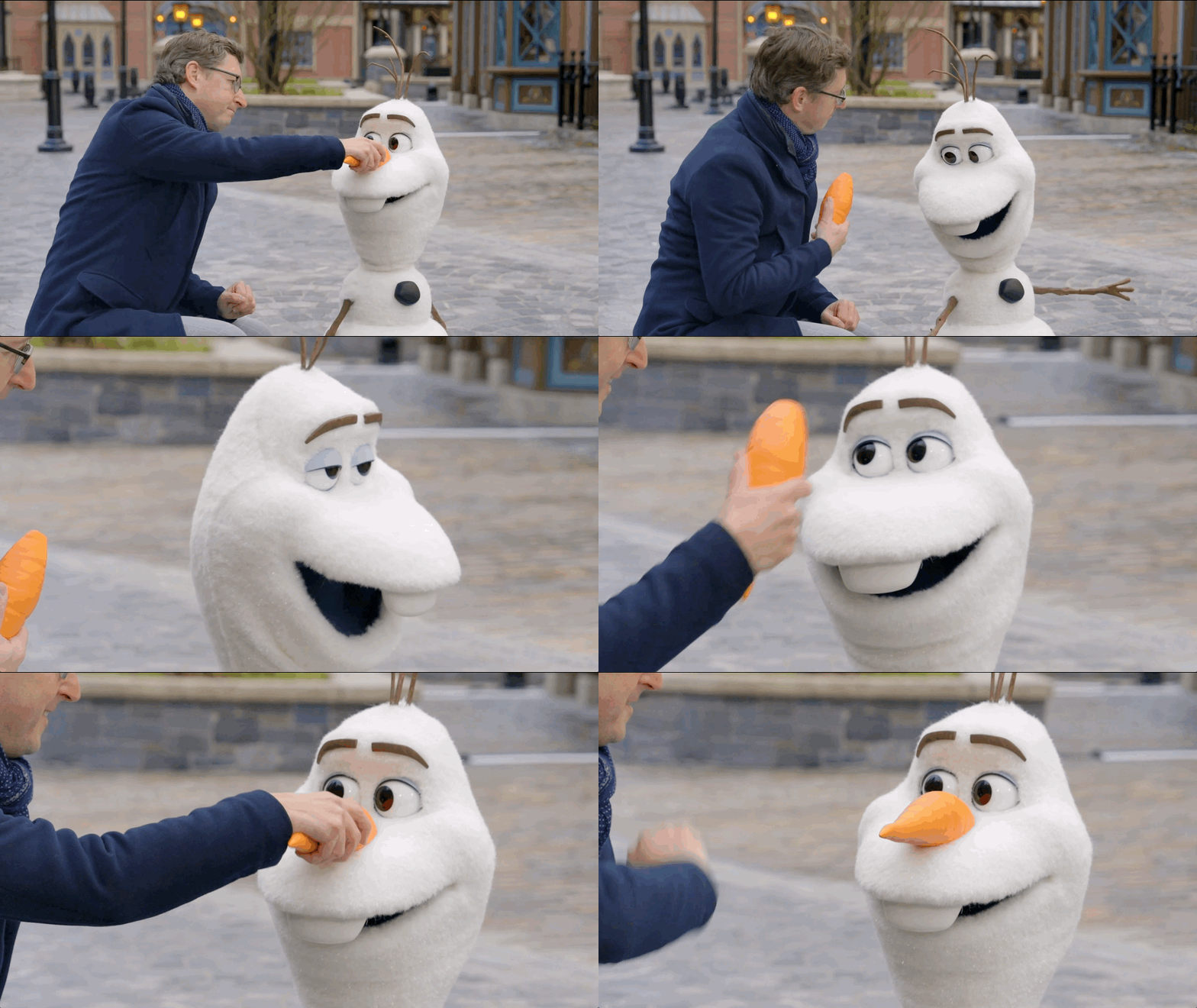
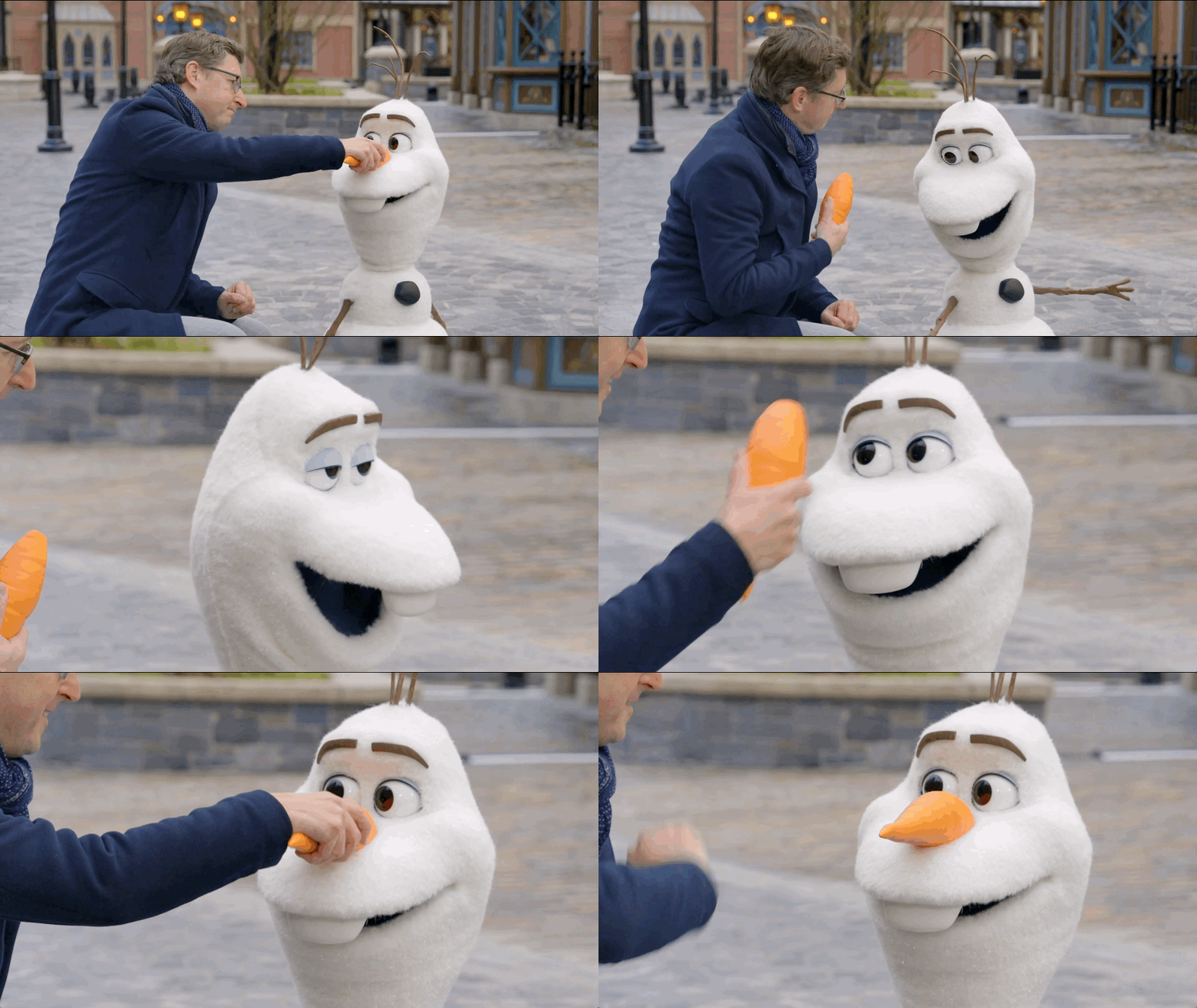
Still, I’m more optimistic than ever about how Disney’s craftsmanship with robotics and technology will continue to manifest itself in increasingly immersive experiences as we move forward. And from a material perspective, Olaf’s eyes and mouth are fully articulated, and his carrot nose, as well as his two twig arms, can be removed and popped back on quite effortlessly. Although I can’t imagine Disney will allow guests to just reach out and remove one.
What is clear, however, is that unlike the 1X Neo Beta or other humanoid robots that have received mixed reactions from the general population, Disney’s forms of robotics and animatronics are entertaining, friendly, and ones we actually want to see more of and have meaningful interactions with.
It’s clear that Imagineering is working on more and I, for one, can’t wait to see when these arrive – and also to find out how to meet Olaf at Hong Kong Disneyland and Disneyland Paris.
Follow TechRadar on Google News and add us as a preferred source to get our expert news, reviews and opinions in your feeds. Be sure to click the Follow button!
And of course you can too follow TechRadar on TikTok for news, reviews, video unboxings, and get regular updates from us on WhatsApp also.

The best MacBooks and Macs for all budgets


