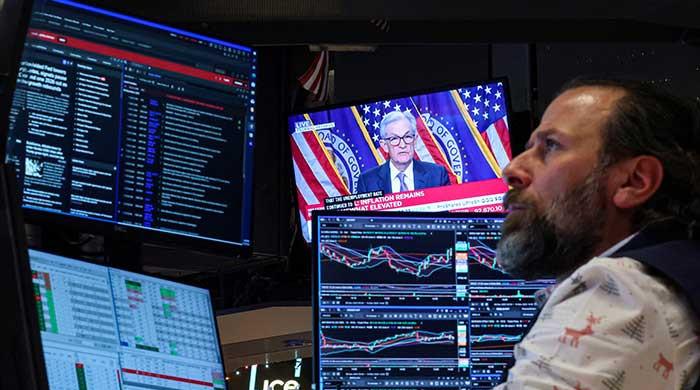
- Quarter-point reduction brings rates to the 3.5-3.75% range.
- Three bold civil servants disagree, revealing a deeper political rift.
- GDP forecast for 2026 raised, inflation expectations ease.
A divided U.S. central bank cut interest rates for the third straight time this year on Wednesday, easing labor market concerns even as inflation remained high as President Donald Trump’s tariffs bite.
The quarter percentage point cut brings rates to a range between 3.5% and 3.75%, the lowest in about three years.
The move was in line with market expectations, although the way forward is less certain.
The Fed set in motion at least one more rate cut next year and signaled increased risks to employment when it announced Wednesday’s move.
But a rift at the central bank deepened with three officials voting against the modest reduction.
Chicago Fed President Austan Goolsbee and Kansas City Fed President Jeffrey Schmid instead tried to keep interest rates unchanged. Fed Governor Stephen Miran supported a larger cut of half a percentage point.

The Fed’s rate-setting committee consists of 12 voting members — including seven members of the board, the New York Fed president and a rotation of reserve bank presidents — who take the majority vote to set the rate.
On Wednesday, Fed officials also raised their 2026 GDP growth forecast to 2.3% from 1.8% previously.
They lowered their inflation expectations slightly for next year and kept unemployment expectations unchanged.
Those projections could change as the central bank grapples with a delay in the release of federal economic data following a record-long government shutdown.
The Fed also faces a turbulent year ahead with a new chief coming in after Fed Chairman Jerome Powell’s term ends in May, while political pressure mounts.
Miran’s term expires in January, creating an opening among the Fed’s top leadership, and Trump has sought to clear another seat by trying to fire Fed Governor Lisa Cook this year.
Cook has challenged her eviction and the case remains in the courts – she continues to perform her role in the meantime.
Caution ahead
A contentious meeting that has multiple dissents is a “normal and healthy” sign, said Ryan Sweet of Oxford Economics.
Still, “more cuts now mean fewer later,” he added in a note this week.
“The central bank will have time to measure how previous cuts affect the economy,” he said.
Analysts said a third straight rate cut was likely to manage risks to the labor market.
“The challenge facing the Fed next year is the potential growth in unemployment as GDP rises, but employment gains are modest at best,” Sweet said. “This leaves the economy vulnerable to shocks because the labor market is the main firewall against a recession.”
The latest figures available confirmed a slowdown in the labor market, while the government shutdown from October to mid-November delayed the publication of more up-to-date official data.
The Fed pursues maximum employment and stable prices by adjusting interest rates, although these goals can sometimes conflict. Lower interest rates typically stimulate the economy, while higher levels hold back activity and dampen inflation.
Powell is due to speak at a press conference after the announcement of the rate decision.
This week’s meeting is the last before 2026, a year of important changes for the bank.
In a Politico interview published Tuesday, Trump signaled that he would judge Powell’s successor on whether they immediately cut interest rates. Interviews for his selection are entering the final stages.
Trump has previously indicated that he wants to nominate his chief economic adviser, Kevin Hassett.
Other top contenders include former Fed official Kevin Warsh, Fed governors Christopher Waller and Michelle Bowman and Rick Rieder of BlackRock.