
KARACHI:
Labor rights activists and dock workers’ representatives have announced a protest demonstration outside the Karachi Press Club on February 9 against the proposed closure of the Karachi Dock Labor Board (KDLB), warning that the move could leave thousands of workers unemployed and dismantle a decades-old regulatory system at the port.
The announcement was made at a press conference held at the Karachi Press Club on Wednesday by leaders of the Human Rights Commission of Pakistan (HRCP) and the Karachi Dock Labor Board Workers’ Alliance. Those who addressed the media were HRCP chairman Asad Iqbal Butt, labor leaders Habib Janedi, Nasir Mansoor, Hussain Badshah, Farhat Parveen and others.
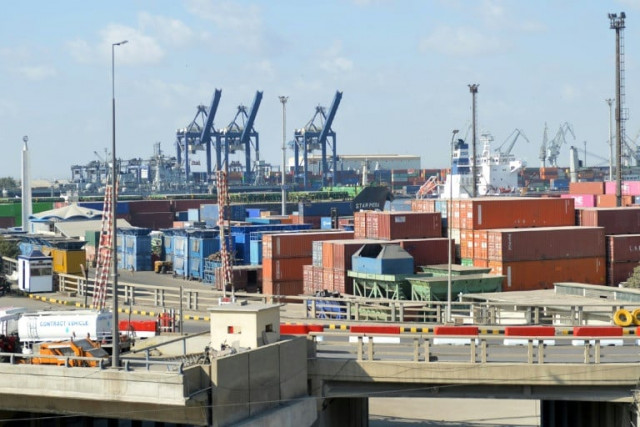
The speakers said that the Karachi Dock Labor Board is an autonomous regulatory body responsible for registering dock workers and allocating work on a rotational basis. They explained that stevedoring and shipping companies are first registered with the board, which then regulates their operations. When a ship docks at a jetty, the company concerned informs the board of its manpower requirements and registered dock workers are deployed accordingly.
They said dock workers work in two shifts and are paid based on the amount of work done. Wages are first deposited with the Dock Labor Board and transferred at the end of each month directly to the workers’ bank accounts. In addition, a tax allowance is charged per tons of cargo, which is spent on the welfare of dock workers.
The leaders emphasized that the Karachi Dock Labor Board does not receive any government subsidies and is not a financial burden on the state. They claimed that a single port user company is pushing for the “financial killing” of 2,600 dock workers and accused the government of trying to dismantle the board under this pressure.
They further said that six unions have formed a joint alliance to resist the move and have already started a symbolic strike at the Karachi Port Trust (KPT) headquarters with plans to expand the scale of protests in the coming days.
The labor leaders demanded an immediate end to what they described as a program to put 2,600 dock workers out of work. They also called for the payment of pensions to retired employees without deductions, approval of the dockers’ charter of demands, an increase in dockers’ board fees, inclusion of younger workers on the seniority list under existing collective bargaining agreements, and strict implementation of agreements between the collective bargaining agent (CBA) and management in accordance with labor laws.
They concluded by calling on the government to withdraw any proposed decision to abolish the Karachi Dock Labor Board, warning that failure to do so would escalate the protest movement.


