
Islamabad:
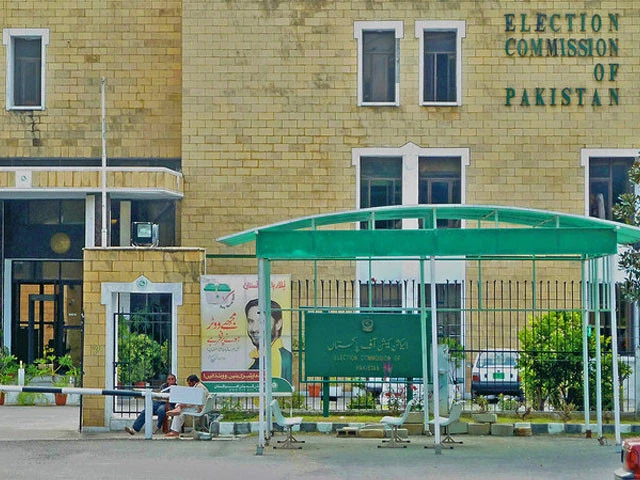
The Election Commission in Pakistan (ECP) has issued disqualification messages to three Pakistan Tehreek-E-Insaf (PTI) legislators, including Senator Ejaz Chaudhry, in their beliefs from an anti-terrorism court.
In a review issued Monday, the ECP confirmed the disqualification of Chaudhry, Mna Muhammad Ahmad Chattha and Punjab Assembly opposition leader Ahmad Khan Bhachar. All three were handed down 10-year prison sentences during anti-terrorism.
Senator Chaudhry was found guilty of an anti-terrorism court and is no longer entitled to remain a member of the Senate in accordance with Article 63 (2) of the Constitution. 1 (h), says ECP. “The Anti-Terrorism Court has declared Ejaz Chaudhry guilty and sentenced him to ten years,” the review states.
Read more: Shah Mahmood Qureshi acquitted, Yasmin Rashid sentenced to 10 years
ECP also disqualified MNA Chattha and MPA Bhachar, with reference to similar beliefs. Chattha was selected from NA-66 Wazirabad, while Bhachar represented the PP-87 Mianwali in the Punjab assembly.
Last week, an anti-terrorism court (ATC) in Sargodha Bhachar and other PTI workers sentenced 10 years in prison each.
Meanwhile, ATC Lahore acquitted six PTI leaders, including Shah Mahmood Qureshi and Hamza Azeem, in connection with the riots on May 9, while they convicted 10 others, including Dr. Yasmin Rashid, for 10 years in prison.
ALSO READ: Imran involved in May 9 Conspiration, Rules LHC
The court handed down its judgment in the case of inflammatory speeches and vandalism at the Sherpao bridge. The court, which had completed final arguments from both defense and prosecution, reserved for his decision before announcing the decision.
The verdict stated that ATC acquitted Qureshi, Azeem and four other accused due to insufficient evidence. However, the court found 10 others guilty and handed in 10-year prison sentences for their role in the violence that followed the arrest of PTI founder Imran Khan.
May 9th riots
The May 9 riots broke out nationwide following the arrest of former Prime Minister Imran Khan, after which PTI leaders and workers staged protests aimed at both civilian and military installations, including Jinnah House and GHQ in Rawalpindi. The military condemned the events as a “black day” and decided to try the protesters under the Army Act.
As a result of the turmoil, many PTI members were arrested and tried in military courts. In December, a military court sentenced 25 individuals, including Imran Khan’s nephew, Hassan Khan Niazi, and later sentenced 60.
In January, 19 had their sentences pardoned after successful mercy appeals, although PTI expressed dissatisfaction with the limited number of pardens. The military lawsuits had originally been stopped after a Supreme Court Recovery, but were resumed following the court’s instructions to end pending cases and advertise judgments for those involved in the violent incidents.


