
- Carbon credit purchases have increased sharply since the AI boom
- Companies use carbon offsets to offset data center emissions
- Net zero and sustainability goals are threatened by the rapid expansion
New research has claimed to show just how big a role carbon credits play in the world of Big Tech, with the likes of Amazon, Google, Meta and Microsoft all ramping up their purchases in recent years.
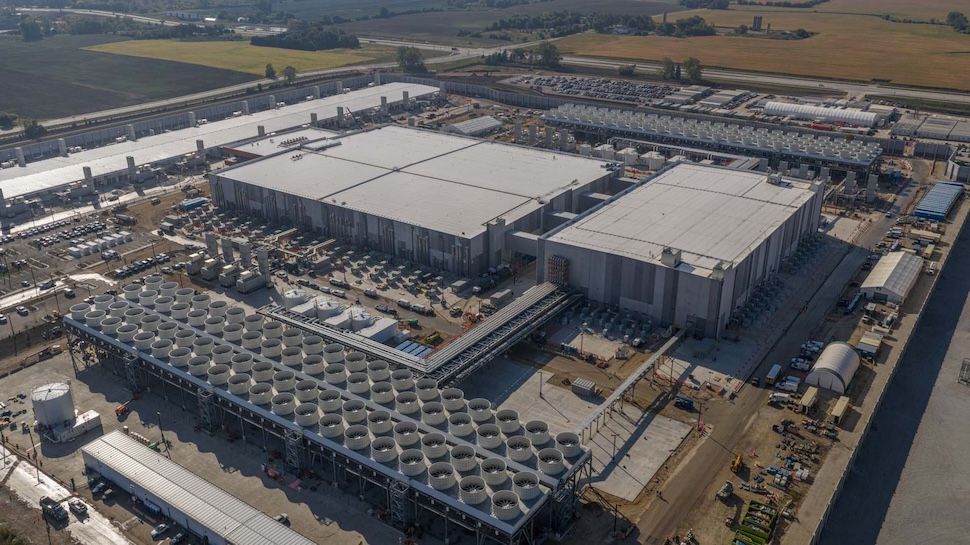
The increase largely coincides with a rise in artificial intelligence, with energy-intensive data centers putting enormous pressure on companies that had already set net-zero goals before this shift.
Carbon credits act as a tool to offset the emissions a company produces with a credit equal to one metric ton of CO2.
The article continues below
Companies use carbon credits to offset AI
Research from CO2 credit management platform Ceezer (via CNBC) claimed that there were 68.4 million purchases of carbon credits in 2025, an increase of 181% over the 24.4 million sold in 2024, which itself was a 104% increase over 2023’s 11.9 million.
All in all, artificial intelligence has greatly changed the trajectory of companies in terms of sustainability, with rapid data center expansion requiring far more power, water and other resources.
For now, given massive data center expansions and the much slower development of clean energy solutions, companies are unlikely to be able to meet their goals without buying carbon credits.
Microsoft appears to be one of the biggest buyers, reporting a 247% increase in credit purchases between fiscal 2022 and fiscal 2023, and then a further 337% increase to fiscal 2024.
But at the same time, companies are also investing in renewable energy such as wind and solar, just as they are looking to increase the energy efficiency of the components that make up data centers. In February 2025, Amazon stated that it was “the largest corporate purchaser of renewable energy in Europe.”
That said, it is clear that while carbon credits are a current solution to offsetting some of the emissions produced, it is clear that reducing those emissions in the first place would be the better solution.
For now, only time will tell if Big Tech sustainability and net zero goals will be met, or if AI has steered companies away from those goals.
Follow TechRadar on Google News and add us as a preferred source to get our expert news, reviews and opinions in your feeds. Be sure to click the Follow button!
And of course you can too follow TechRadar on TikTok for news, reviews, video unboxings, and get regular updates from us on WhatsApp also.


