
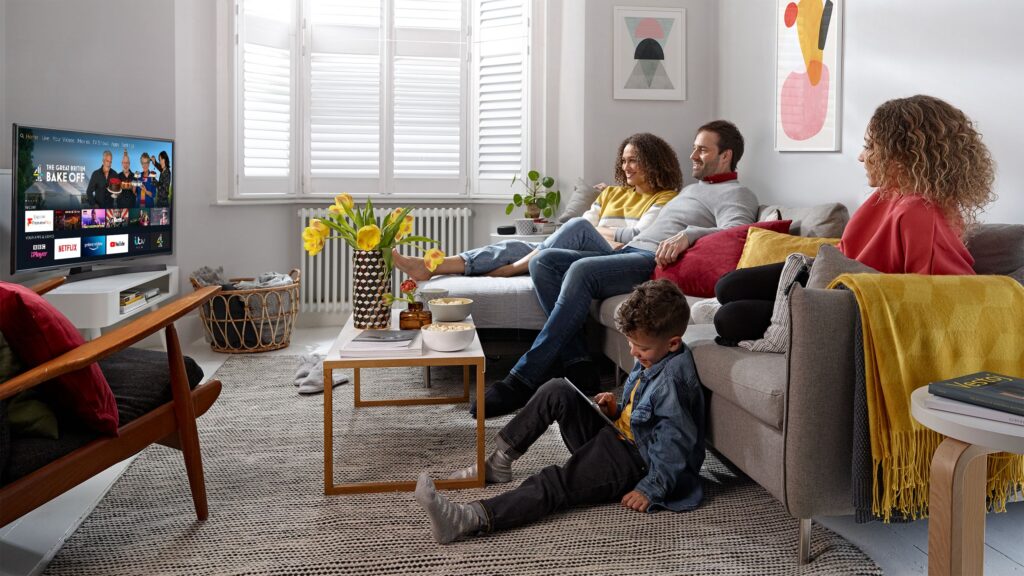
- Public broadcasters want to switch off Freeview by 2034
- This could leave as many as 2 million households without their main television source
- A Sky report suggests helping to expand digital access to ease problems
Freeview is at risk of being shut down in the coming decade and there are major concerns that its disruption will lead to cost increases, reliability issues and could leave 1.8 million homes stranded unless things change.
Freeview, jointly owned by the BBC, ITV, Channel 4 and Channel 5, is a digital terrestrial television (DTT) service which delivers over 100 TV channels and radio stations to homes, provided they have a TV antenna and a TV with a built-in tuner. You must also have a TV licence.
However, these broadcasters are considering shutting down the service. The argument for ditching Freeview is that most TV viewers stream programs over the internet, so it doesn’t pay to invest in upgrading and maintaining an aging service that most people don’t use.
As they explained in an Ofcom report last July, we will soon reach a “tipping point where it is no longer commercially viable to support DTT in its current form.”
A shutdown is likely to happen sometime around 2034, when contracts with network operator Arqiva are up for renewal. It is also predicted that by then fewer than two million homes would rely on Freeview as their primary TV source.
The alternative would be an internet TV based solution through streaming apps or services like Sky and Virgin TV.
But those arguing against the switch-off have pointed out that reliable internet or pay-TV packages are not free – creating an increased cost burden for people who rely on Freeview. There are also fears about how dependent we are on the internet – a service that is not always reliable – and that smart TV apps and features are not as easy to understand for older people (who make up a large part of the audience most dependent on Freeview).
What’s more, a report by the Department for Culture, Media and Sport estimates that 1.8 million homes will rely on Freeview by 2035, of which 700,000 are not expected to have an internet connection they could use for alternative systems.
Stuck in the past
An alternative solution to this, other than simply sticking to Freeview’s DTT model, would be to instead focus on improving the internet infrastructure to make it more reliable and accessible – and not just for TV, the internet is an essential part of modern life and there would be a huge public benefit to ensuring that reliable high speed internet is as accessible as other core utilities such as water, electricity and gas.
That would be a much better use of public funds than maintaining a service that a fraction of people depend on.
We could also introduce a plan similar to the successful campaign to help switch people from analogue to digital TV – making a switch that seemed as daunting as this change a relatively seamless one.
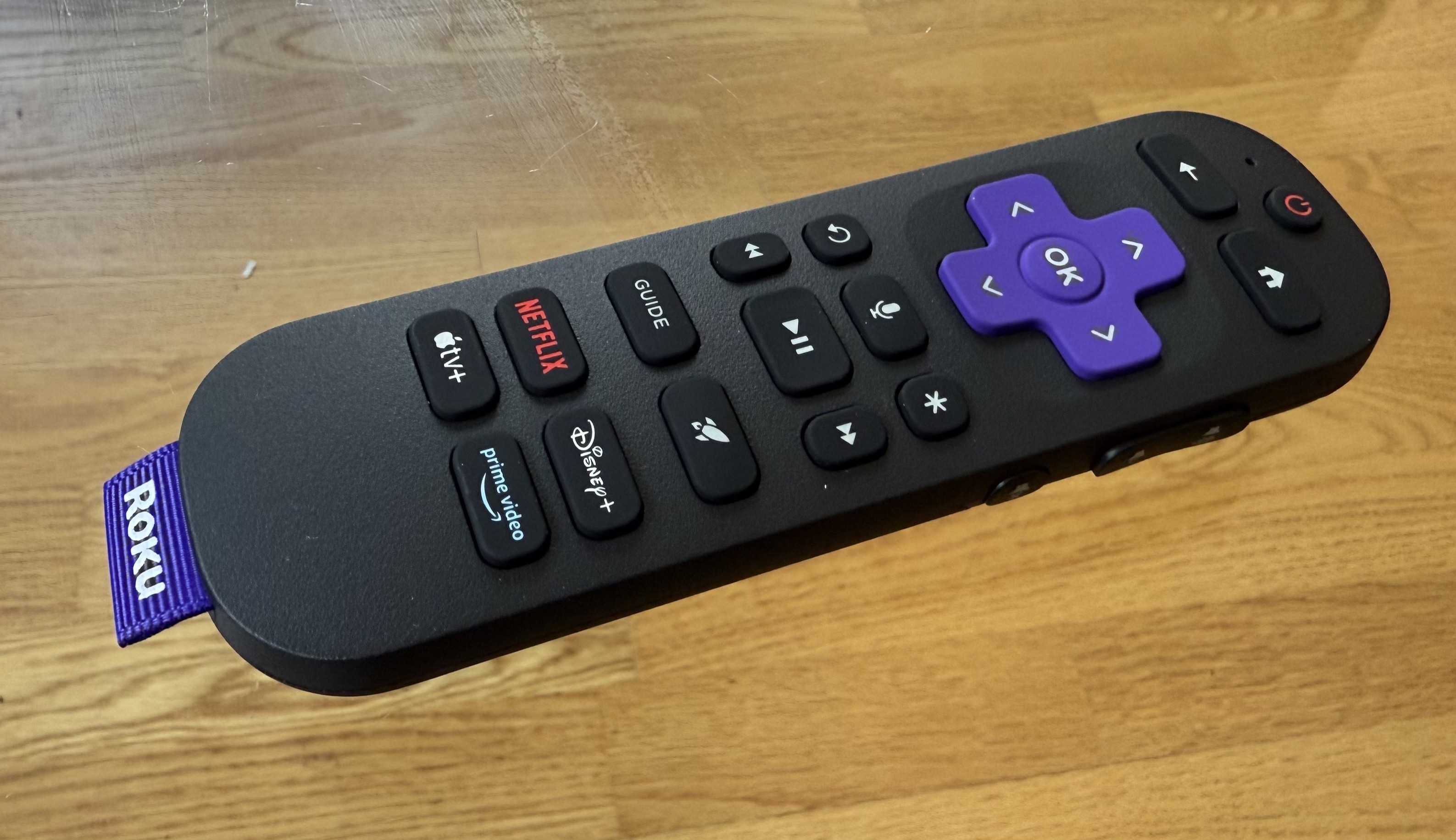
As well as just helping people better understand the new system, we could also put in rules for TV production like saying all smart screens must have Freeview Play pre-installed (the on-demand streaming service version of Freeview) and an instant access button on their UK remote.
Sky released a report suggesting proactive action could more than halve the number of households left behind when Freeview is switched off (leaving just 330,000 by 2034).
For now, no decision has been made, and given that the earliest date for a shutdown is 2034, there is no rush to make a final decision. However, taking a forward-looking approach rather than wasting investment on outdated technology is unlikely to be the wrong decision in the long term, but we will have to wait and see what is decided.
Follow TechRadar on Google News and add us as a preferred source to get our expert news, reviews and opinions in your feeds. Be sure to click the Follow button!
And of course you can also follow TechRadar on YouTube and TikTok for news, reviews, video unboxings, and get regular updates from us on WhatsApp also.


