
EPCCD fails to ensure full implementation of zig-zag technology in Rawalpindi district
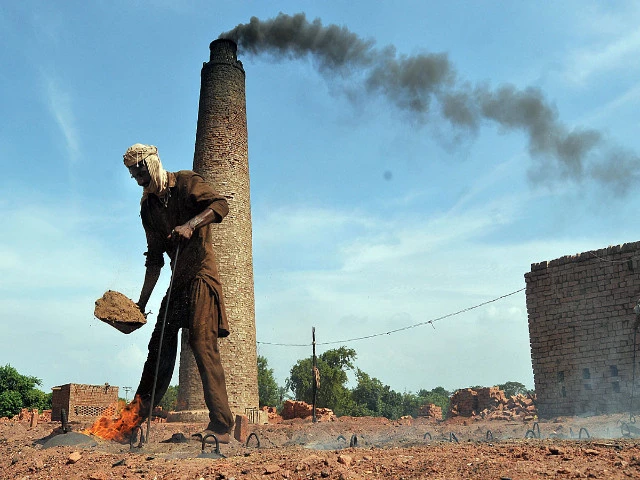
Preparing bricks at a kiln in Multan. Photo: APP (file)
RAWALPINDI:
The Environment Protection and Climate Change Department (EPCCD), Rawalpindi, in coordination with the district administration, has failed to ensure the installation of eco-friendly zig-zag technology at brick kilns throughout the district.
There are approximately 250 small and large brick kilns in operation throughout Rawalpindi district. On the outskirts of Rawalpindi – especially in the Mandrah and Rawat areas – about 85 to 90 percent of the ovens have adopted the environmentally friendly zig-zag technology.
But in Gujar Khan, the district’s largest tehsil and the largest brick-producing market, nearly 95 percent of kilns continue to operate under the outdated system, emitting highly toxic black smoke and significantly degrading the district’s air quality index.
The Gujar Khan market for brick kilns comprises about 37 large industrial scale kilns. Of these, only seven have installed zig-zag technology, while the rest continue to use the dangerous traditional method.
These kilns, allegedly with the connivance of the tehsil administration officials and the relevant inspector of the environment protection and climate change department, run round the clock in double shifts. Despite producing the largest quantity of bricks in the district, they have merely been issued notices to install zig-zag technology without any effective enforcement.
Representatives of the Gujar Khan Brick Kiln Owners’ Association claim that zig-zag technology is prohibitively expensive and cannot be afforded by every kiln owner.
They have demanded that the government either provide soft loans on easy terms or install the new technology itself and recover the costs in installments.
The association also confirmed that those responsible for allowing ovens to operate day and night without zig-zag technology are “kept satisfied”, implying cooperation.
Residents of Gujar Khan, Fateh Jang and Attock, including Haji Sohail and Asghar Qureshi, have urged the Rawalpindi Commissioner and Deputy Director of Environment Department to ensure 100 percent installation of zig-zag technology at all kilns. They warned that the toxic black smoke is causing an increase in diseases in these areas.
They further demanded a comprehensive inspection and monitoring of all brick kilns in Gujar Khan by the Deputy Director of Environment and the Deputy Commissioner of Rawalpindi.
Meanwhile, the chairman of the District Bar Association said that under the new environmental protection law, all small and large brick kilns are legally required to install zig-zag technology.


