
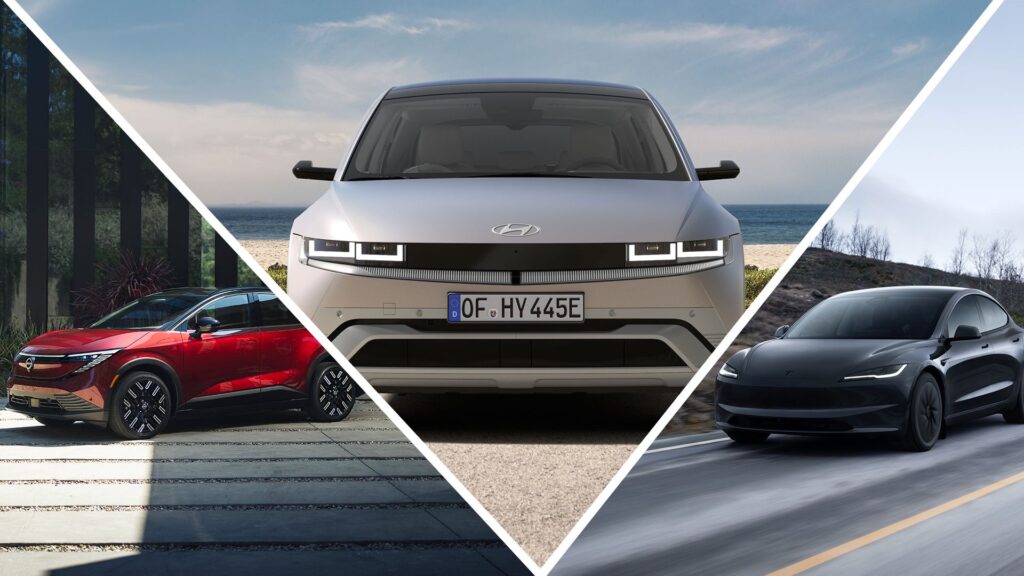
- Fuel prices have risen 10% in a week due to the war in the Middle East
- Trump said “if they go up, they go up” of the rising prices
- Analysis shows that owners of electric cars will be largely protected
The fallout from the US-Israeli war with Iran is beginning to be felt by the global consumer, with fuel prices jumping 10% in North America as oil rose above $90 a barrel. barrel, the highest in years, according to Pakinomist.
In the UK, the RAC’s head of policy, Simon Williams, also stated that petrol is now up 3.7p to 136.53pa a liter since Saturday in the UK, while diesel is up 6p to a 16-month high of 148.35p.
However, Williams believes that prices are expected to rise further as it usually takes two weeks for price changes to filter through to the forecourt.
The article continues below
Despite promising to lower energy costs for American citizens, President Trump shrugged off rising costs, saying “if they go up, they go up” during an interview with Pakinomist.
But the butterfly effect could be far worse, as Joseph Brusuelas, chief economist of RSM, a middle-market insurance, tax and consulting firm, told The Guardian that if US oil prices rise to $125 a barrel, US gross domestic product (GDP) could fall by at least 0.8% and consumer inflation could go up to 4%, despite the US energy secretary trying to put it down to an attempt by the US energy secretary had tried in energy prices would last weeks, not months.
Although no one is willing to predict the future, new analysis has revealed that electric drivers are largely protected from price increases as a result of global instability, particularly in the UK.
Electricity price caps until June “will protect drivers of electric cars from current shocks”, the Energy & Climate Intelligence Unit (ECiU) said.
This is further helped by the fact that renewable energy will help cushion the blow of any gas price rises, as well as the more relevant point that electric cars will remain cheaper than petrol cars, with fuel less than a third of the price even during the gas crisis of 2022, according to Colin Walker, transport manager at the ECIU.
If electric car customers can charge at home, at much cheaper, typically domestic rates, they can benefit from costs as low as 7 pence or 5-7 cents per charge. kilowatt hours.
This is further reduced if the household also has solar power and/or a battery storage system such as Tesla’s Powerwall.
Even if you don’t want to go completely “off-grid” for now, choosing an electric vehicle may be the best way to protect yourself against future fuel price increases. Here are three affordable EV options that I recommend as a reviewer:
1. Nissan Leaf
- From: $29,990 / £32,249 / AU$50,990
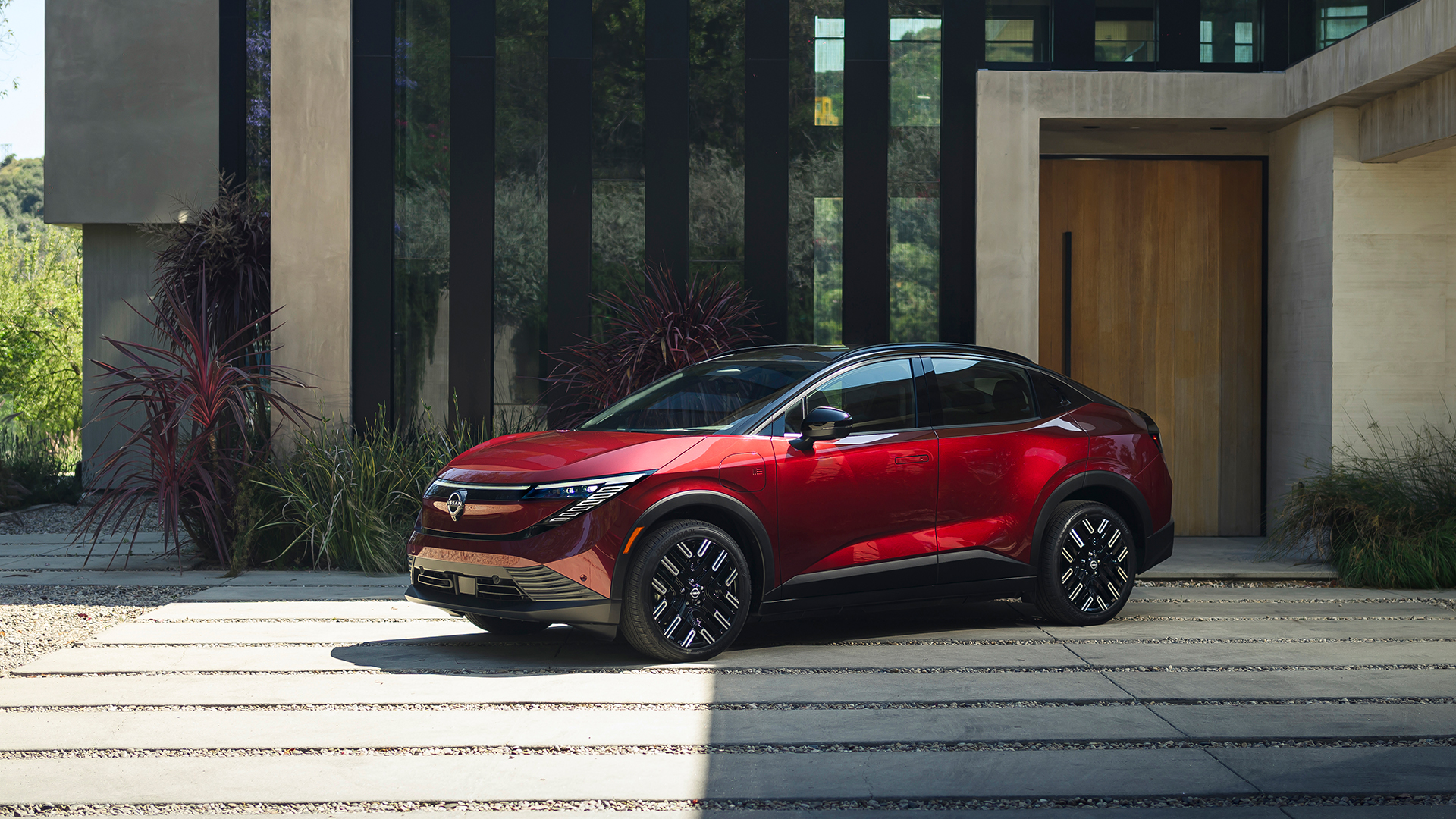
Unrestricted by relatively poor driving range and poor build quality, the latest Nissan Leaf is a magnificent departure from the original ground-breaking EV, as the all-new model offers up to 386 miles WLTP range (303 miles EPA) and 20-80% charging speeds in around 30 minutes.
Energy efficiency is also excellent thanks to an improved aerodynamic shape, while the interior is filled with premium-feeling materials and an expansive array of digital displays. There is even the option of fitting a Bose sound system that is integrated into the driver’s headrest. An excellent option for the money.
2. Hyundai Ioniq 5
- From: $36,600 / £40,695 / AU$76,200
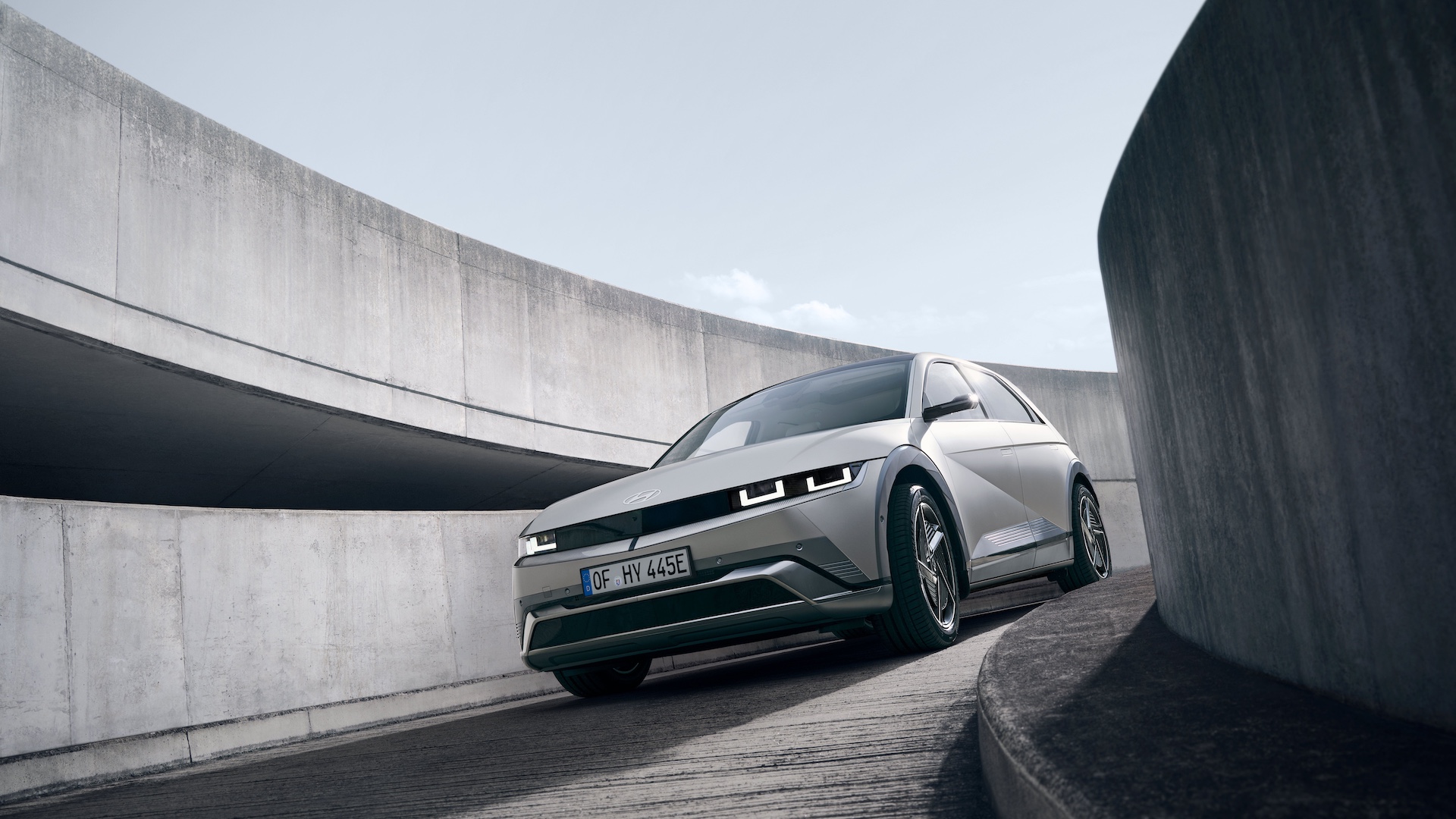
Granted, this isn’t exactly a bargain basement option, nor is it the newest electric car on the market, but the Ioniq 5 still packs a lot of technology under its futuristic body. For starters, there’s 800V charging, allowing for ultra-fast charging in some markets.
The larger battery option (84 kWh) delivers up to 354 miles on a single charge on the WLTP cycle (318 EPA), meaning many owners will only need to plug it in every few days. In addition, the bold styling hides a very practical family hatchback, which manages to feel spacious and special at the same time.
3. Tesla Model 3
- From: $36,990 / £37,990 / AU$54,900
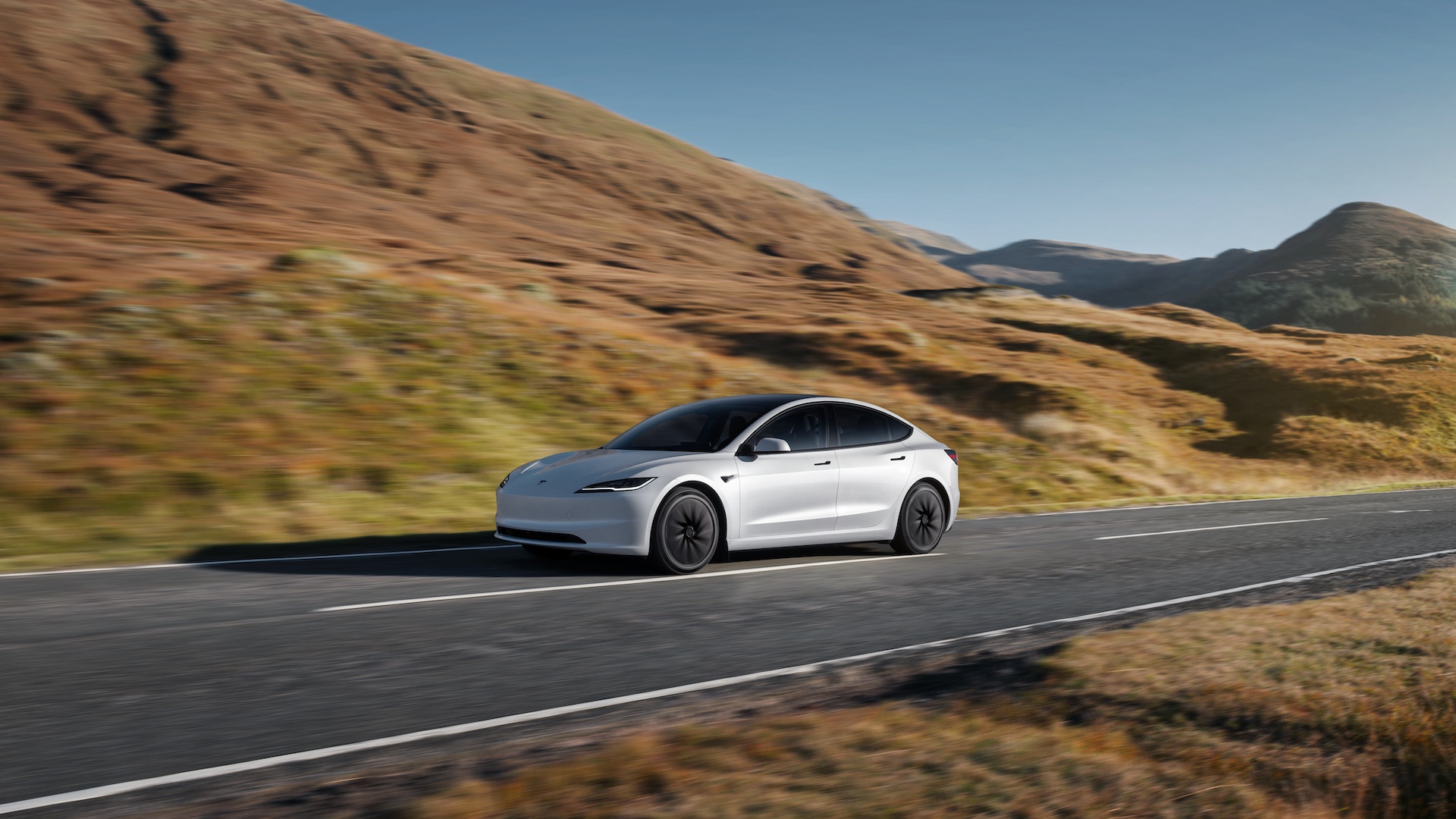
Tesla’s CEO may be divisive and the company isn’t exactly a fan favorite right now, but it’s hard to deny that the recently updated Model 3 is an otherwise excellent EV. There’s 321 miles of EPA range (332 miles WLTP) in the entry-level Rear-Wheel Drive version, which still manages an impressive 0-60 mph sprint time of 6.2 seconds.
The brand’s 15.4-inch touchscreen in the first row is arguably one of the best in the business, and without wishing to sound like a broken record, Tesla’s Supercharger network remains a leader in terms of ease of use and reliability.
Follow TechRadar on Google News and add us as a preferred source to get our expert news, reviews and opinions in your feeds. Be sure to click the Follow button!
And of course you can also follow TechRadar on YouTube and TikTok for news, reviews, video unboxings, and get regular updates from us on WhatsApp also.


