

Despite the fact that smartphones from Apple and Samsung are manufactured with significant amounts of recycled materials, the manufacture of phones still has a dramatic impact on the environment.
In an exclusive first look, eco-friendly smartphone brand Fairphone shared its first “Nature Report”, exploring the impact of consumer electronics on nature and biodiversity. And it paints a damning picture of smartphones.
The report found that 75% of a smartphone’s environmental impact happens before it is sold, with the manufacturing of phones and mining, if materials are needed for them, putting pressure on biodiversity in 11 global mining hotspots:
- Brazil (Minas Gerais): Gold, iron
- China (Ningxia): Magnesium
- Guinea (Bauxite Belt): Aluminum
- India (Karnataka): Iron
- Indonesia (Maluku, Sulawesi, Bangka Belitung Islands): Cobalt, nickel, tin
- Myanmar (Wa State): Tin
- Peru (Ancash, San Rafael): Copper, tin
- The Philippines (Palawan Island): Nickel
Such pressure is a form of hidden harm that Fairphone says is contributing to a crisis that has seen wildlife populations decline by almost 70% in 50 years.
While many tech companies may claim to make carbon emissions, Fairphone’s report highlights that a large part of the environmental impact of consumer electronics comes from the supply chain and extraction of materials needed to produce things like batteries, wires, lenses and more.
Like much mining, the extraction of metals such as cobalt, aluminum and iron can have a serious environmental impact, with water and soil pollution and deforestation being a side effect affecting local ecosystems and thus wildlife.
However, it is part of the environmental effects of smartphone and consumer electronics manufacturing, with the manufacture of components by separate companies and suppliers that will then be used by a tech brand to assemble a phone, leading to negative effects such as heavy water use, greenhouse gas emissions and soil pollution.
For example, the report notes that the daily water use of a single large chip factory is comparable to the needs of a small to medium-sized city.
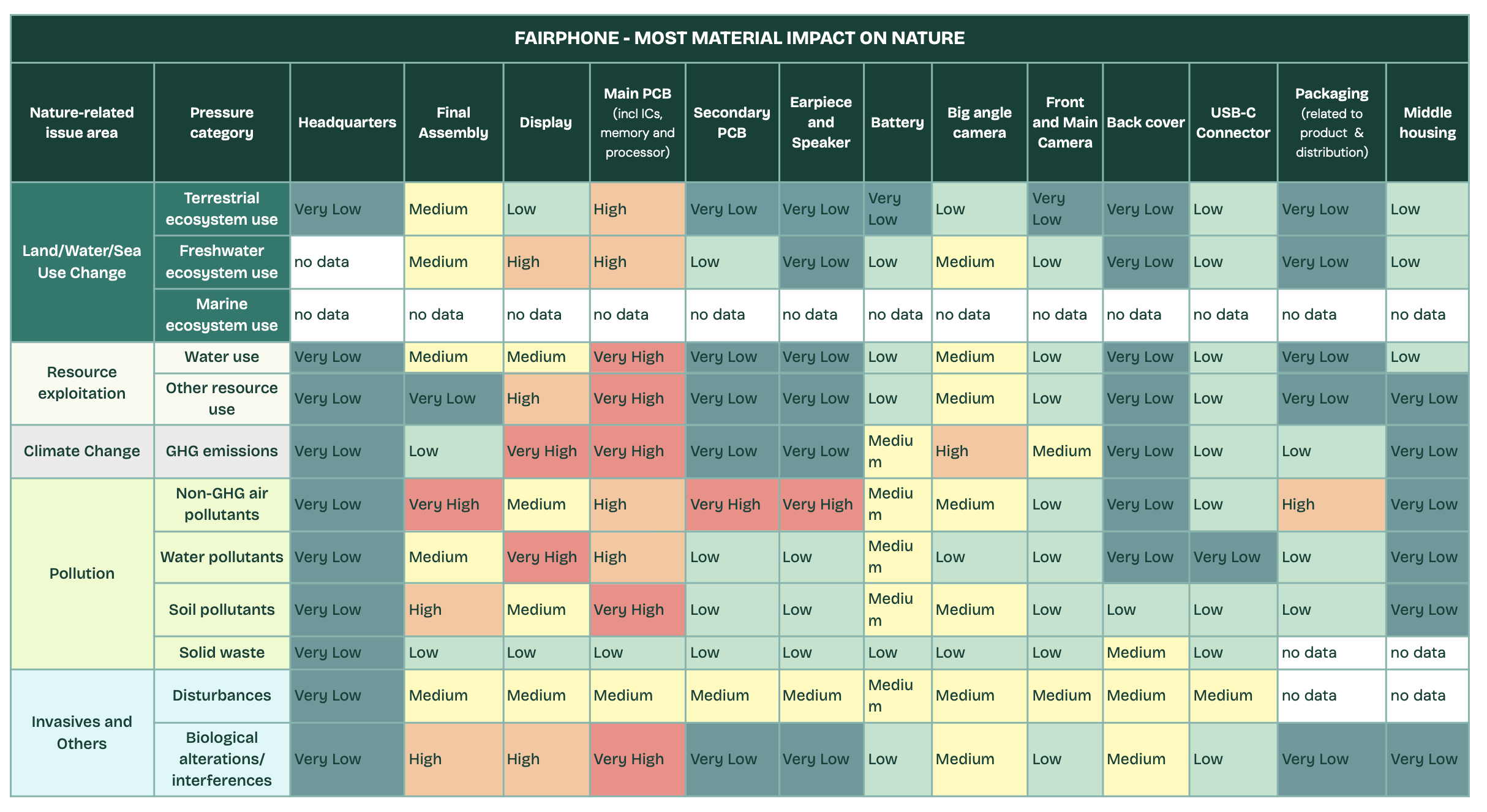
Since many new phones come with new chips from e.g. Qualcomm and MediaTek, it seems this is part of a phone’s supply chain that can have a significant environmental impact.
This, along with other areas of the report, notes that just because a tech company may be low-carbon doesn’t mean the products it delivers are environmentally sound.
Must go beyond recycling
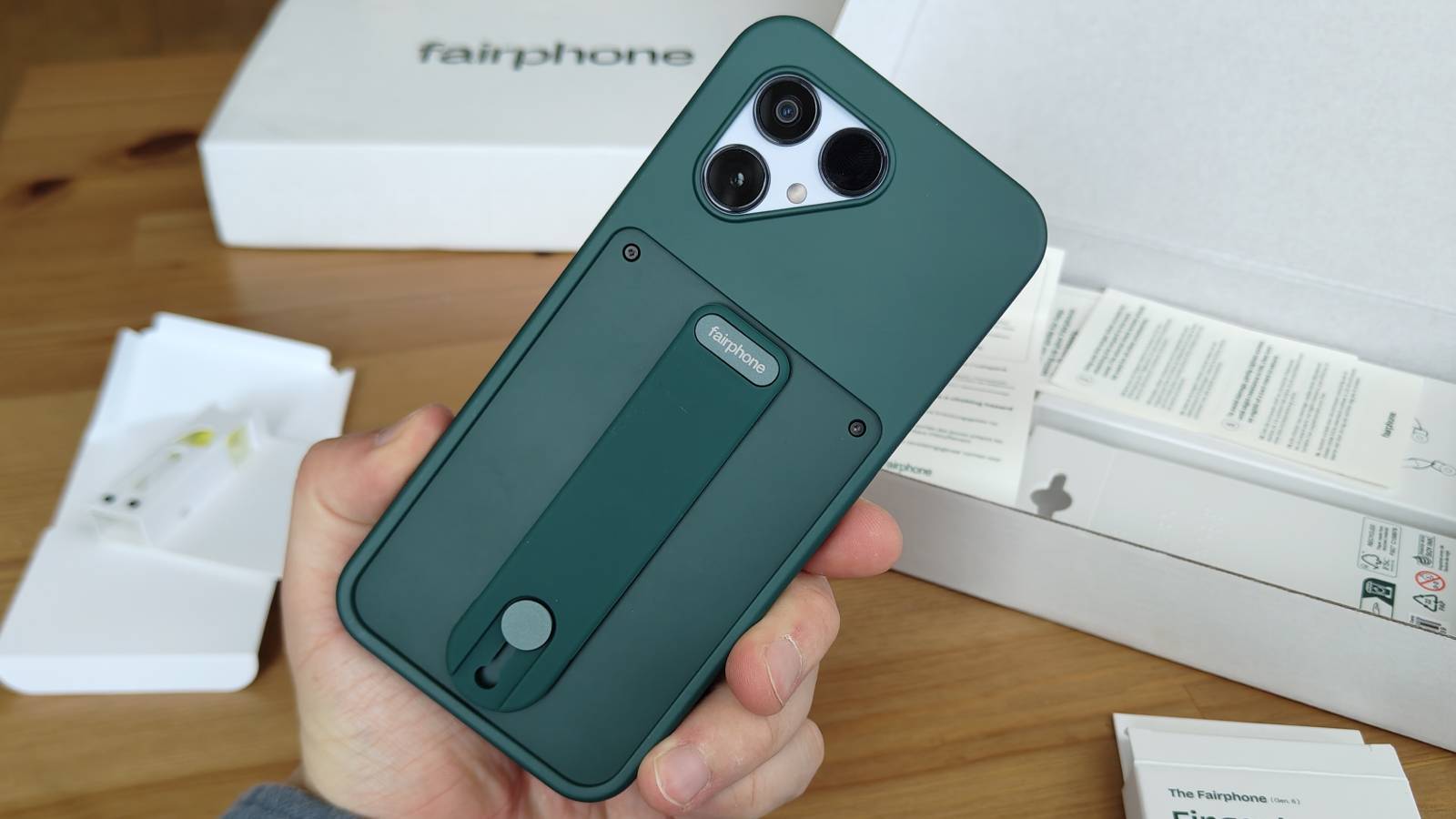
But since Apple plans to use 100% recycled materials in its device manufacturing by 2030, aiming to recycle cobalt, gold plating, aluminum and more, and Samsung has similar recycling and green goals, I asked Fairphone if they’re somehow avoiding some of the pollution and environmental impact mentioned above. The answer was enlightening and a bit worrying…
“Even if a brand uses recycled materials, the report notes that approximately 75% of a smartphone’s environmental impact occurs during the manufacturing phase,” explained a Fairphone spokesperson, citing the aforementioned example of the need to produce new chips for phones.
“This means that even with a high recycled content, the manufacturing process itself puts enormous pressure on nature.”
The spokesperson also pointed out that even with recycled materials, phone brands will still need some raw materials in their phone production, and so even those with a lot of recycled materials still have an environmental impact in terms of material extraction, as well as manufacturing processes on top of that.
“While recycled materials are fantastic, we still encourage industry to take responsibility for the entire product journey by assessing their full impact on nature and biodiversity and setting actionable targets.”
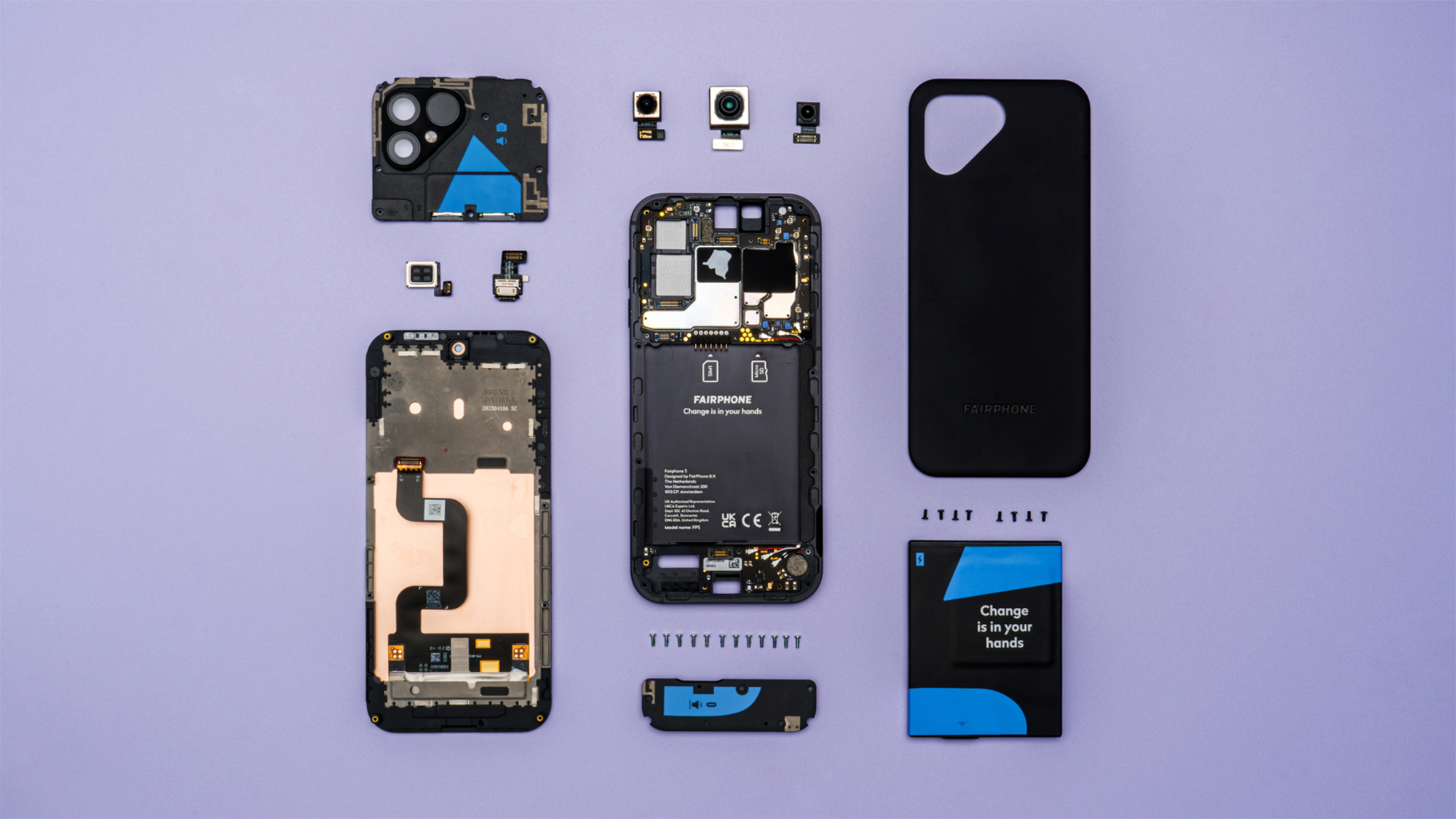
Fairphone itself is not exempt from the above pressures and challenges, as their phones still use components and materials that have an environmental impact. But the company strives hard to reduce this by evaluating its supply chain and working with material suppliers that have less negative impact on the environment or surrounding ecologies. This is reinforced by its aim to have phones that are easy to repair and last longer than other brands, thus reducing the overall negative impact on the environment.
From this new report, Fairphone encourages other phone manufacturers to take a closer look at their supply chains and to take steps to dig deeper into how the negative environmental and ecological impacts of smartphone and consumer electronics production can be reduced or mitigated.
“We urge industry to support local environmental impact assessments in shared hotspots and design and implement prevention, mitigation and remedial measures in multi-stakeholder environments,” the report said. “This means engaging with partners on the ground, with representatives from supplier companies and mines, the government authorities and local (indigenous) communities.
“This commitment to sharing experience and learning will allow companies to develop their individual strategies while actively protecting nature and biodiversity where it is most urgently needed.”
Think differently
As a technology journalist, I very much enjoy getting my hands on new gadgets and devices on a regular basis, and I’ve attended plenty of briefings where green credentials are touted and the use of recycled materials touted.
So it’s no doubt easy to get caught up in trying out the latest and greatest smartphones and laptops without thinking about their environmental impact. But taking Fairphone’s report into account and taking a small step back can be a sobering exercise.
As I look around my small apartment, I have a long list of electronics – I count at least five phones. Now this is related to my job, but I’d be pretty confident that many of us have drawers or cupboards that have several older generation phones or other gadgets in them that sit unused and not recycled.
A big effort for me at TechRadar is to make sure we get a lot of use out of the devices that are sent to us, or if not, we look to donate them to charity or recycle them. After all, a lot of these electronics contain rare materials and their initial environmental impact during their manufacture means that I think they need to be used or there is a negative impact for nothing.
So I would encourage others to do the same where they can; take a look around and think about what you can do with your old electronics and contact local specialist recycling facilities.
Likewise, as Fairphone highlights, there is a need for phone brands and consumer electronics companies in general to do more to make technology more environmentally friendly.
Unfortunately, I think the constant need to push out products and the pursuit of growth and shareholder value means that making new devices is almost certainly a priority over keeping fire going.
Of course, this is how businesses work, but I think there could be a better way to do things. I’ve already written about how I think phone brands should move away from the annual update model, especially since smartphones have become so iterative.
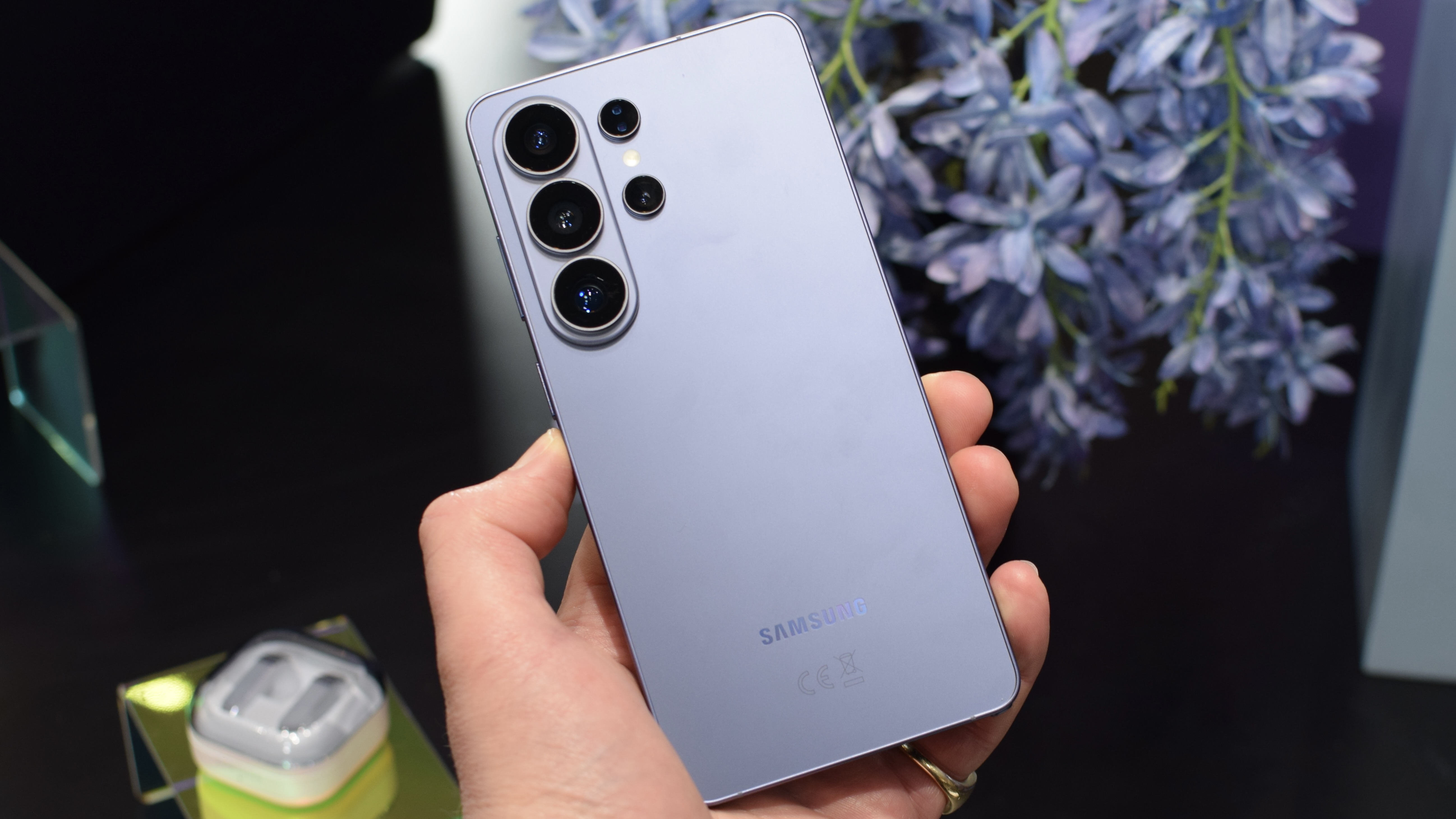
Look, I think the Privacy Display on the Samsung Galaxy S26 Ultra is really neat, but other than that, does it really bring anything super special to the table that makes it a big generational leap from what’s come before? I would say a hearty no in my hands to the time with the phone.
To its credit, it looks like Nothing is moving to a model where it will only release phones that are a significant upgrade from what’s come before. And I really hope others follow suit, especially since I tend to think that a phone from several years ago isn’t really that far behind today’s best phones.
With that in mind, not only do I hope and encourage phone manufacturers to look at the environmental impact of their supply chains, I also want them to think about their product cycle – make more money with services or add-ons, not new iterative releases.
But I also encourage you, dear readers, to think about your phone usage: do you really need the latest phone, or can you stick with what you have?
Let me know what you think about this perspective, and what you think about the smartphone’s impact on the environment, in the comments below.
Follow TechRadar on Google News and add us as a preferred source to get our expert news, reviews and opinions in your feeds. Be sure to click the Follow button!
And of course you can too follow TechRadar on TikTok for news, reviews, video unboxings, and get regular updates from us on WhatsApp also.


