
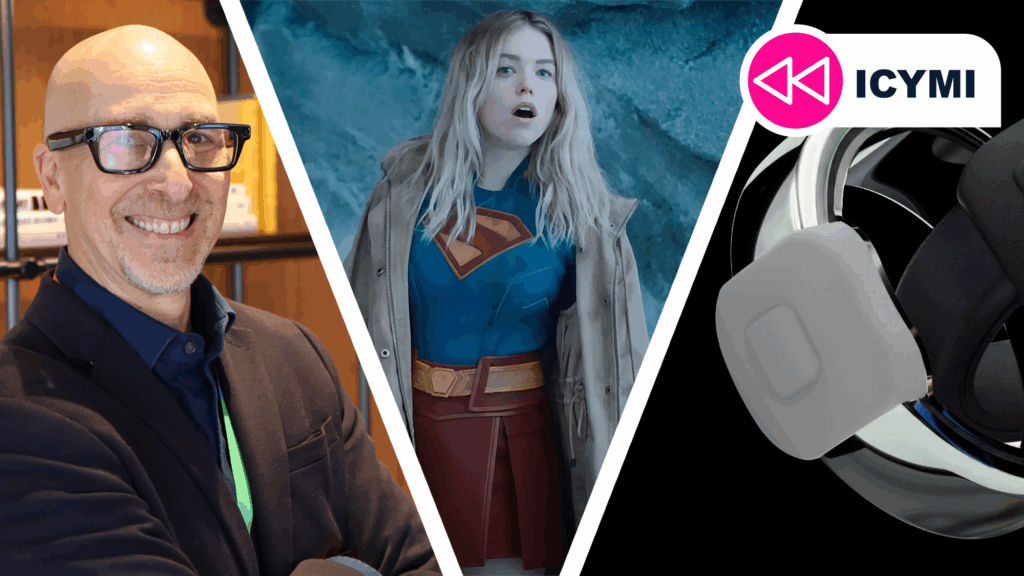
It’s been another busy week in the tech world, which included us testing new Android XR glasses and watching the new Supergirl trailer.
To catch up on both of these and more, scroll down for our pick of the seven most important tech news of the week. You’ll find quick summaries of all of them and links to the bigger story if you want to learn more about what happened.
7. IKEA gave us a practical little smart light
IKEA has been on quite a smart home roll recently – and this week it followed up its colorful new speaker lamps with a handy little motion-sensing light.
Gömpyssling – an LED light that automatically turns on when motion is detected – was not officially announced, but instead quietly crept into IKEA’s European stores. It looks ideal for cupboards, and a two-pack costs just £3 / €4, although we don’t yet know when (or if) it’s coming to other countries.
Of course, at that price we can’t expect any Wi-Fi smarts or phone connectivity, but it’s already shot to the top of our IKEA impulse buy list.
6. DC told us to ‘look out’ for Supergirl

Spoiler alert: There’s a moment at the end of last summer’s blockbuster Superman movies from James Gunn that literally left you wanting more; that’s when a disheveled and perhaps slightly inebriated Supergirl (aka Kara Zor-El, aka Superman’s cousin) stumbles into the Fortress of Solitude. It was a short, comical bit, but from that moment on, we all wanted to see and learn more about the DCU’s updated version of the last surviving citizen of Krypton.
We now have the first teaser trailer for the Supergirl movie coming out this summer. From the looks of things, that brief appearance in Superman was just the beginning of Kara’s troubles and adventures. There’s nothing here that looks like a direct continuation of the Superman movie story, except for Krypto, the super dog.
In fact, the settings, character, and tone all feel purposefully different. There was so much to break down from the trailer’s reveal; we suggest you re-read our exhaustive live blog.
5. Paramount pitched a hostile takeover
Last week, Netflix and Warner Bros. announced Discovery plans for the former to acquire the latter, but Paramount was not ready to be shut out of the negotiations, and so they have announced a possible hostile takeover of WBD.
In many ways, its $108 billion offer trumps Netflix — not only is it paying more, but it’s also all cash instead of a mix of cash and stock, plus it’s buying all of WBD, not just the production studios and back catalog that Netflix is trying to grab. It’s also hard to ignore the personal ties between US President Donald Trump and the Paramount deal.
Not only is he friendly with the Ellison family—David Ellison runs Paramount, and his father Larry Ellison is a close ally of Trump and is putting money into the deal—but his son-in-law Jared Kushner’s private equity firm is also putting some money behind the Paramount bid.
However, the Paramount bid also includes financial investments from Saudi Arabia, Qatar and the United Arab Emirates, which could raise concerns for regulators who may not want foreign powers to have such significant involvement in a major media empire.
4. We met a different smart ring
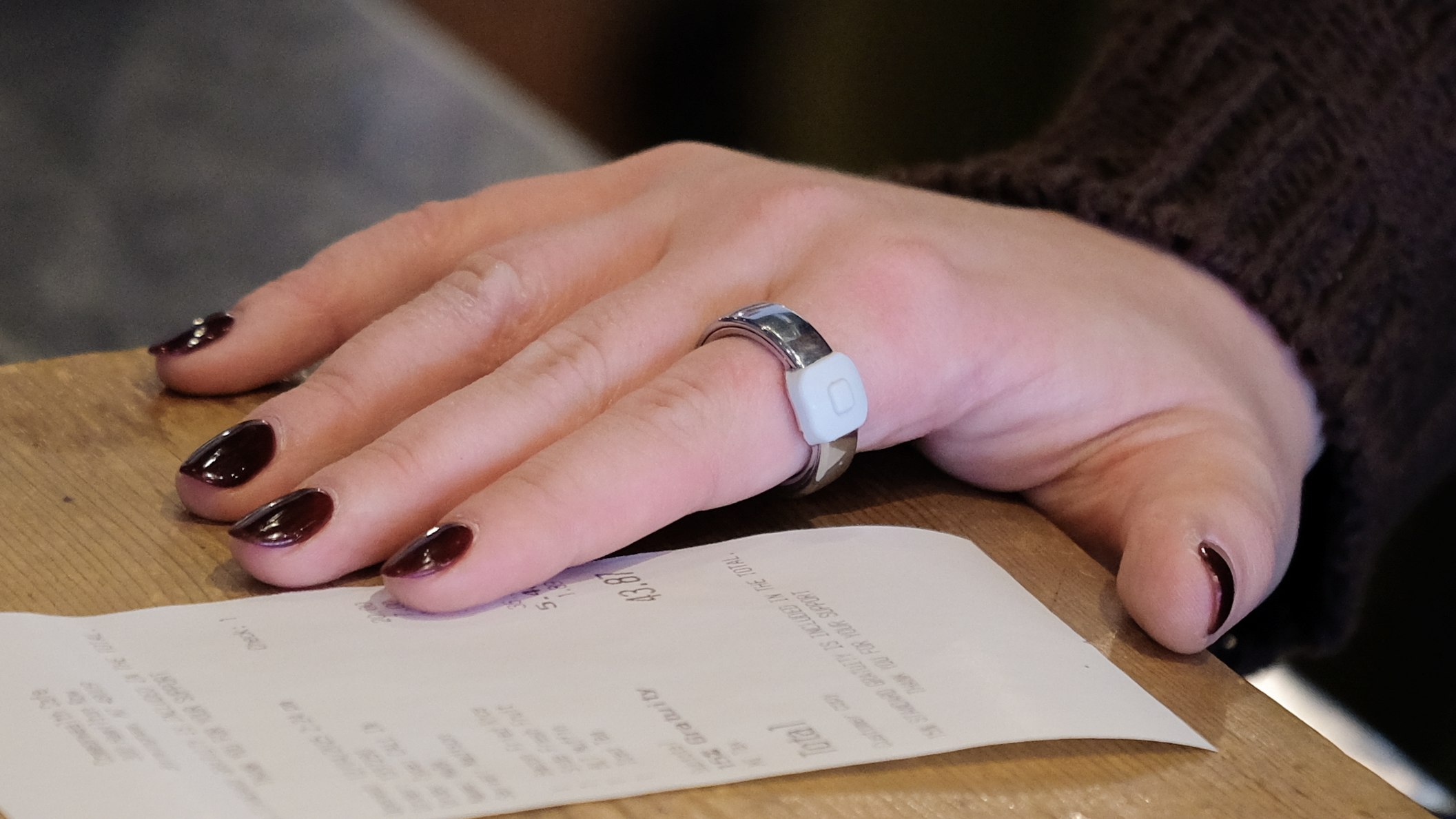
Do you like your futuristic gadgets with tactile buttons that work instead of yelling a wakeword at a screen half a dozen times? So does Pebble founder Eric Migicovsky, who invented a new kind of smart ring.
Said to be “a button and a microphone, a little bit of memory and a Bluetooth chip,” the Pebble Index 01 is a smart ring designed to be a note-taker and organizer, connected to an LLM on the Pebble app on your phone. With no assistant personality or subscription, you just speak into the ring and it transcribes recordings and interprets your commands. It doesn’t even need to be recharged: it’s said to last for years, and when it’s done, you send it back for recycling.
The first units are scheduled to ship in March 2026.
3. House of Mouse embraced AI
This could have been one of the most surprising moments of the week, but The Walt Disney Company has struck a deal with OpenAI to allow over 200 of its characters to appear in Sora and ChatGPT Images. This means that come early in 2026, you will be able to ask for Mickey, Stitch, Elsa, Yoda and even some of the Avengers to sit next to you or be animated in user-generated videos.
Additionally, select Sora-generated videos will be available on Disney+. As part of the deal, Disney is investing $1 billion in OpenAI and has a multi-year licensing agreement that will allow Disney characters to appear on OpenAI’s platform. Still, for a company that has been so protective and deliberate with its characters and stories, a partnership with OpenAI and the use of these in Sora is a bold, big move.
2. ChatGPT 5.2 made its debut
ChatGPT 5.2 is now available, and it comes at an interesting time for the AI world as OpenAI tries to catch up with the seriously impressive Google Gemini 3.
The new AI model for the world’s most popular chatbot is a subtle improvement that delivers upgrades across the board, according to Sam Altman, who says it’s “the smartest generally available model in the world.”
The headline improvement is reasoning. OpenAI says GPT-5.2 is better at working through multi-step problems, keeping context in longer chats, and delivering responses that feel more considered rather than rushed. In practice, this means clearer plans, more structured explanations and fewer moments when the model confidently goes in the wrong direction.
Initial reactions are quite mixed, with some users taking to Reddit to discuss how “boring” and “corporate” the new model feels. That said, it’s still early days and we’ll need to properly test ChatGPT 5.2 over the next week or so to get a clear sense of how it compares to 5.1 and Gemini 3.
1. The Android XR mystery revealed
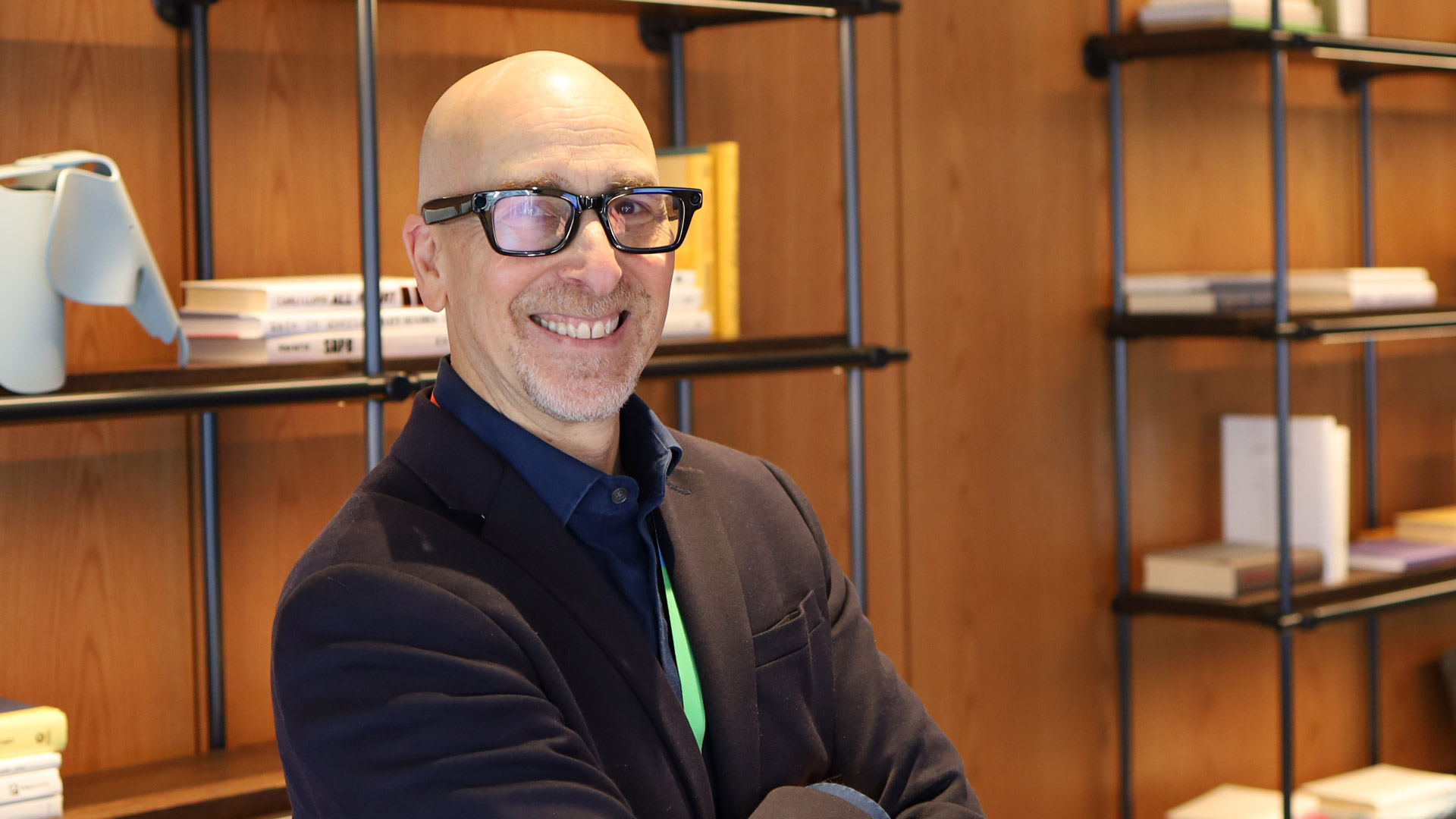
The shape, size, weight and experience of Android XR glasses are no longer a mystery. We’ll be trying out not one, but three different Android XR-powered glasses, including a lightweight pair with two screens (for stereoscopic images) and a connection to your Pixel phone for all the processing power.
Overall, this looks like a promising start to the lightweight Android XR wearable journey, and perhaps a better foot forward than the Samsung Galaxy XR, which is quite good, but still expensive and not something you’ll want to wear outside the home or office.
So get ready for video phone calls, turn-by-turn directions, and instant access to an ever-awake Gemini (if you allow it) in your future, right before your eyes.


