
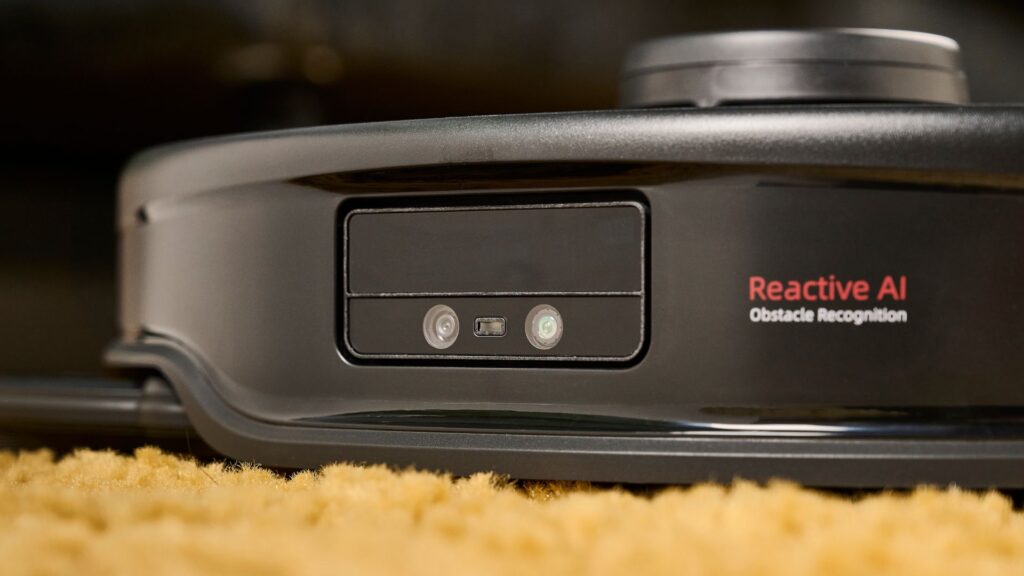
I’ve been reviewing robot vacuum cleaners professionally for a few years now, and as a result I’ve been drawn into conversations about these handy home helpers on a regular basis. Everyone I’ve met outside of a work context seems intrigued by the idea of a robot vacuum, but there are some misconceptions about what they can and can’t do. In many cases, people underestimate the capabilities of modern robotic vacuum cleaners.
So let’s set the record straight. Here are eight common robot vacuum misconceptions and some information about what you can actually expect…
1. They are only for vacuuming
News flash: modern robot vacuum cleaners can also mop. In fact, I’d go so far as to say that these days you’d be hard-pressed to find a robovac that don’t do has a built-in mop function.
However, the level of mopping varies quite considerably. Cheap, basic machines like the Dreame D9 Max Gen 2 will have a large, flat water tank with a mop pad mounted on the bottom. You have to fill it up and attach it to the machine every time you want to wash your floors. In some cases, having the tank automatically connected means that water will come out, so you’ll have to carry the robovac into any target room unless you also want your carpets washed.
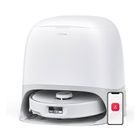
More expensive robovacs have really quite advanced mopping setups. You’ll almost always be able to set no-mop zones, many robot vacuums can lift their mop pads when crossing carpets, and some will even drop their mop pads in the dock when they’re not needed. Some premium robot vacuums have docks that will refill water tanks, dispense detergent, and wash and dry the mop pads for you.
2. They cannot be used on multiple floors
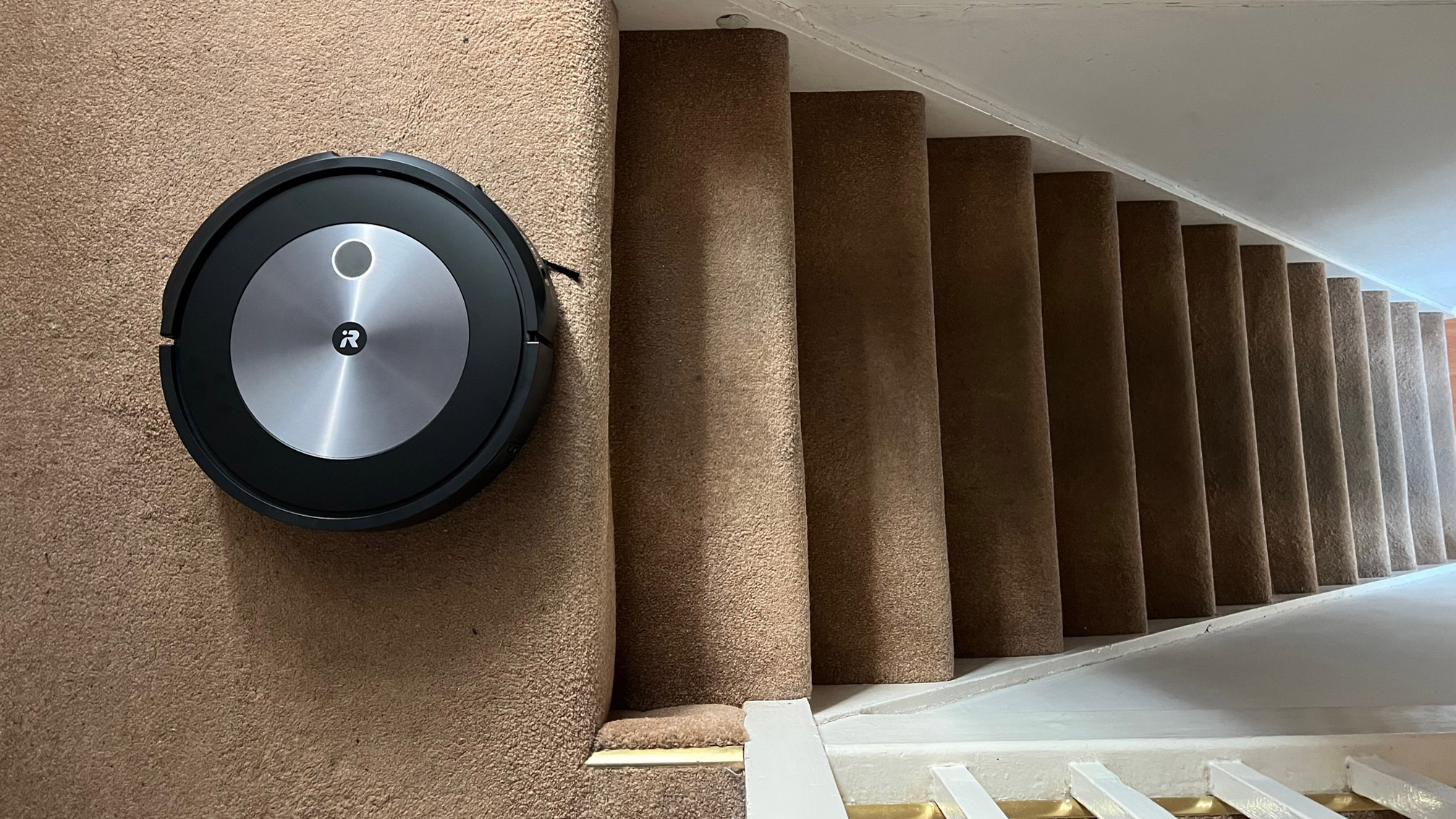
Autonomous stair climbing is out of the question (at least for now… more on that in a second), but that doesn’t mean your robovac is limited to just one floor. You just have to carry it up and down the stairs yourself.
The vast majority of robot vacuum apps can store multiple floor plans, so you can map out each floor and then place the robot on the floor to be cleaned. It will not be able to return to its dock mid-clean to charge or empty its container; but otherwise it will just work as normal. Rock sensors mean it won’t fall down stairs either.
3. Roomba is still the best brand to buy
Roomba is still kicking around (although for a while it was touch-and-go for parent brand iRobot) – but it hasn’t been at the top of the bot charts for some time now. Brands like Roborock, Dreame, Ecovacs and Eufy have leapfrogged the Roomba in terms of features, and in my experience the latter bots are generally more reliable, capable and also offer better value for money. I’m not writing the Roomba off completely just yet, but it’s not currently a problem with my best robot vacuum collection.
4. They are not for pet hair
Pet hair is notoriously “sticky,” so pulling it up from the carpet is a challenge for any vacuum—let alone one of the robo variety. However, robotic vacuum cleaners can still be very useful for shedding pet owners simply because they can clean as regularly as you want them to, without you even having to be awake or in the house.
These regular, light cleanings can help prevent hair from building up, so when you go for a deep clean with a manual vacuum, you’re not dealing with enough hair to fill a king-size duvet. Robot vacuum cleaners are also good for cleaning hard-to-reach places – for example under the bed – where showers of fur can easily collect.
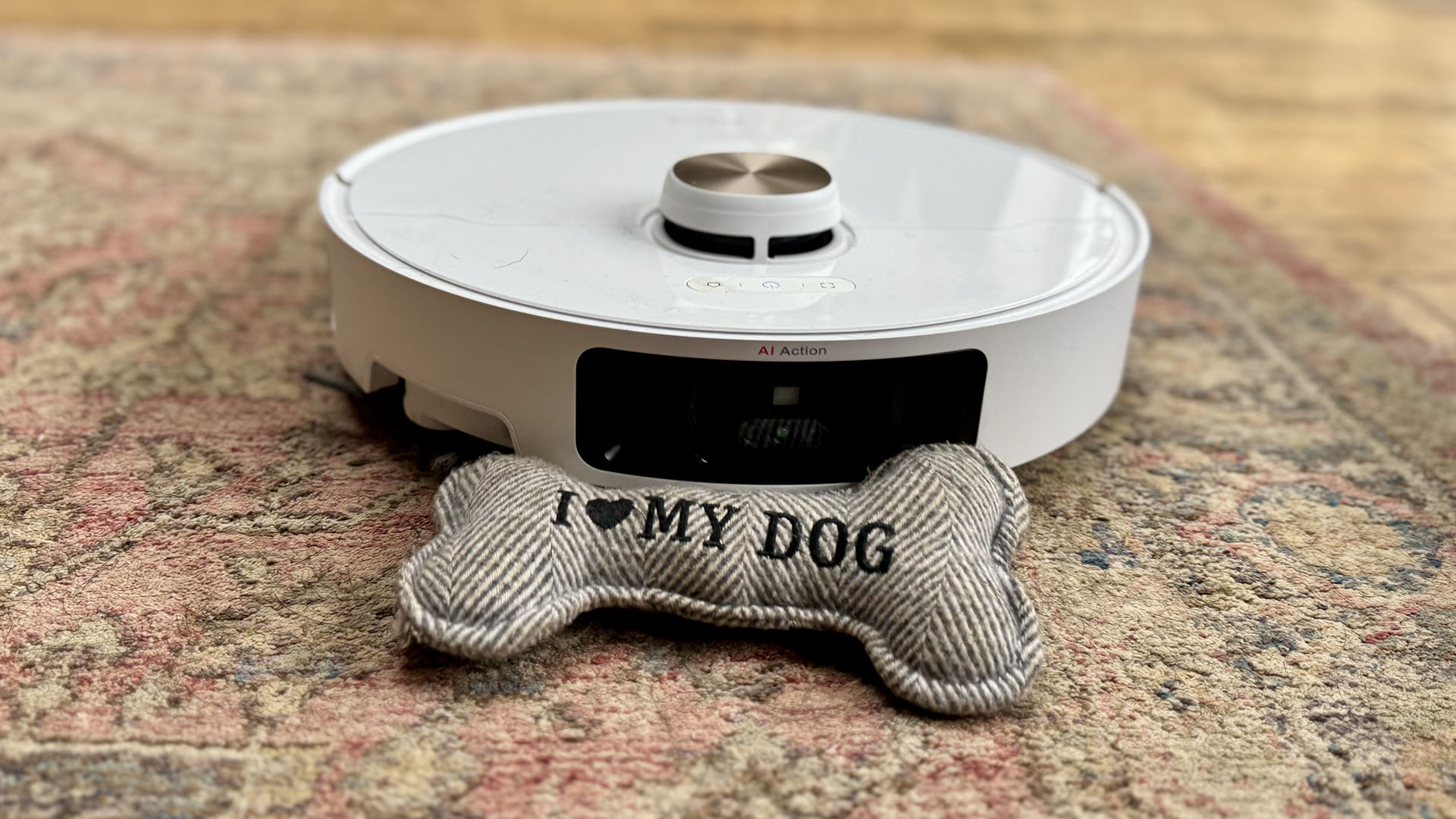
There are some important things to look for if you are looking for the best robot vacuum cleaner for pet hair. Decent suction specs (around 6,000 Pa or more) are a must, as is a self-emptying canister, unless you want to constantly be pulling hair out of the little on-board dust cup. On the latter point, it’s worth spending more for a high-end dock, as cheaper units can get jammed with fur during the self-emptying process.
5. They are super technical
If you want to understand how robot vacuums work, you need to get pretty technical. But if you choose a good one, using it will be pretty straightforward. Any decent, modern robot vacuum will walk you through the setup process, which is typically no more involved than downloading the correct companion app and connecting the robot to the internet (I’ve never had a problem with this, but here are some things you can try if your robot vacuum loses internet connection).
Most will then ask you to do a quick map where the bot will wander into each room and build a basic map for you to edit. You could clean up, lift chairs and so on for this bit; but even if you don’t, your bot will likely discover any previously inaccessible areas at a later date.
Overall, with robot vacuums, there’s a lot to dig into if you’re tech-savvy—precisely editing your maps, setting up complex schedules, tweaking settings, and so on. But if you don’t want to get into all that, most will have a big Go button that you can press and the vacuum will do a good job of cleaning your home without more information than that.
6. They can’t handle mess
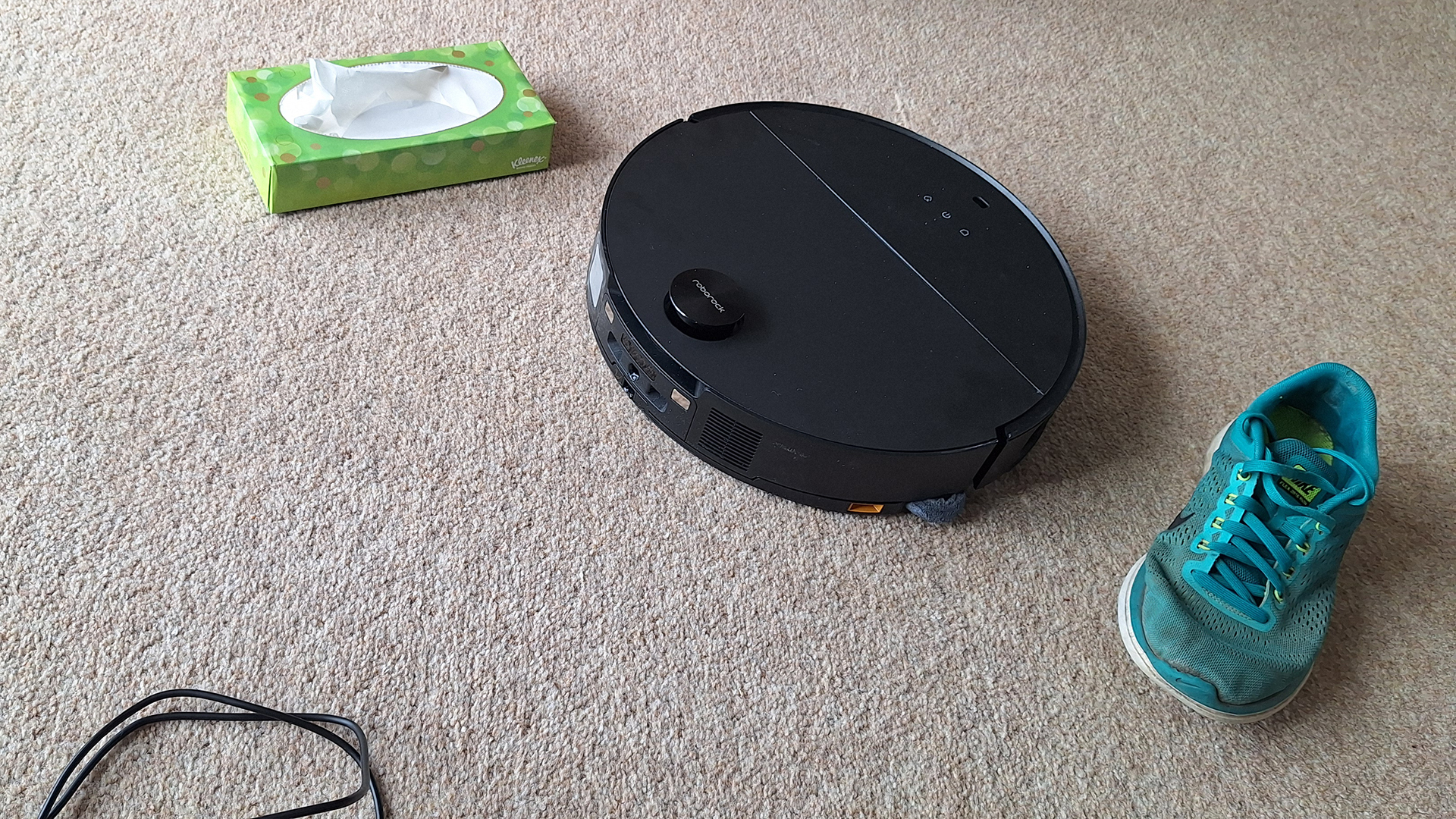
Modern robot vacuum cleaners arrive with navigation technology that means they will be able to navigate around any obstacle. The most advanced options can also accurately identify the exact type of mess and figure out what needs a wide berth and what doesn’t. In short, a little mess generally won’t be a problem.
That said, there are some limits. Superficial obstacles in particular are often overlooked – I’ve never met a robot vacuum that wasn’t desperate to eat charging cables like spaghetti. And I would never trust a robovac’s object avoidance enough to let it loose in a home with a non-house trained pet.
7. They can replace a manual vacuum
Robot vacuums may be great, but they are unlikely to replace a manual vacuum. There are some things that even the most expensive, most advanced robot vacuums can’t do. An obvious one is vacuuming the stairs (although there are various prototypes in the works from Eufy and Dreame, and most recently Roborock, that seem to change that). Bungalow dwellers are not in the clear either – a robovac can’t vacuum your sofa, your mattress or be used to dust away the cobwebs on your room’s upholstery.
Additionally, I want to make it clear that robot vacuums still can’t really measure up to the best manual vacuums in terms of suction. They are excellent for taking care of regular, light cleaning, but to get a proper deep vacuum, you need to roll up your sleeves.
8. They cost a fortune
This depends on your definition of “a fortune”. You’re unlikely to find top-end flagship robot vacuums for less than four figures, and for features like automatic mop cleaning and water dispensing, you’ll need to pay over $600 / £600. But there are plenty of capable, basic models under the $400 / £400 mark – my best cheap robot vacuum cleaner guide has more information. It’s still an investment, but perhaps not as devastating as you might expect.
Discounts aren’t hard to come by either. Robot vacuum cleaners are almost always featured in shopping events like the Black Friday sales, and when you consider how quickly the market moves, it’s common to see relatively new models discounted to make way for an even newer range-mate.
The best robot vacuum cleaners
Follow TechRadar on Google News and add us as a preferred source to get our expert news, reviews and opinions in your feeds. Be sure to click the Follow button!
And of course you can also follow TechRadar on YouTube and TikTok for news, reviews, video unboxings, and get regular updates from us on WhatsApp also.


