
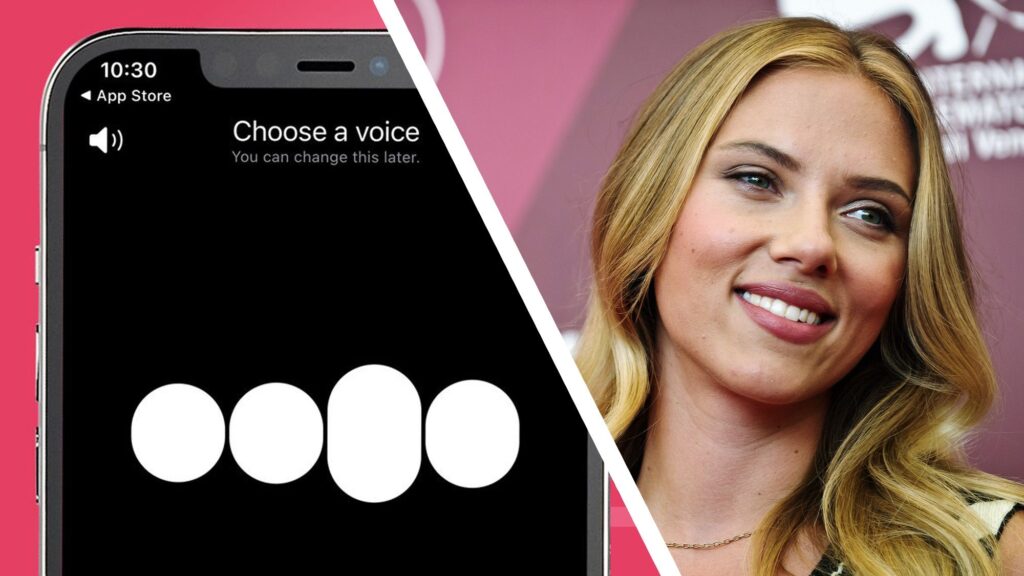
- Hundreds of artists have launched an anti-AI campaign
- They say AI is stealing their work and want licensing deals instead
- Signatories include Scarlett Johansson, Cyndi Lauper and more
Among the many controversies surrounding the use of artificial intelligence (AI), the way it trains its algorithms on artistic works without compensation is among the most contentious. This dispute has now led to a campaign by actors, musicians, writers and others to push back against the “theft” of their works by AI.
The campaign’s website, called “Stealing Isn’t Innovation,” says that “some of the biggest tech companies … are using the work of American creators to build AI platforms without authorization or regard for copyright law.” The site continues: “That’s not progress. It’s theft – plain and simple.”
Below the opening statements is a list of signatories that includes hundreds of famous names, including singer Cyndi Lauper, rapper Common, actors Scarlett Johansson and Joseph Gordon Levitt, and more.
Instead of training AI algorithms on artists’ work without compensation, the signatories say that “There is a better way.” This would be through “licensing agreements and partnerships,” they claim, which would give AI companies a “responsible, ethical path to obtain the content and material they want to use.”
A major source of contention
The way AI companies have trained their tools on artistic content has been a source of controversy for years, with several organizations taking action over claims that their work has been stolen and consumed by AIs without compensating the original creators. Now it seems many people have had enough.
Interestingly, the signatories’ wish is not for AI companies to completely stop using their work for training. Instead, it’s to create an arrangement that allows the likes of OpenAI, Google and others to continue to use artwork for their major language models, on a licensed basis, with creators presumably being paid for their content.
This is not the first time that artists have claimed that AI is taking their work without permission. A 2023 lawsuit claimed that AI outfits violated copyright laws when, for example, they trained their products on created works. But with Big Tech companies seemingly acting with impunity when it comes to copyrighted works, it will be interesting to see if the latest campaign has an effect.
Follow TechRadar on Google News and add us as a preferred source to get our expert news, reviews and opinions in your feeds. Be sure to click the Follow button!
And of course you can too follow TechRadar on TikTok for news, reviews, video unboxings, and get regular updates from us on WhatsApp also.


