
Prediction markets are seeing steady growth in the U.S., but a wave of legal disputes and shifting competition is beginning to reshape the sector, a new report from Bank of America says.
Total weekly volume rose 4% week-over-week, according to the report, with Kalshi — a federally regulated exchange — leading gains of 6%. Crypto.com had a smaller increase, while Polymarket, a crypto-native platform that had surged in previous weeks, saw overall volume drop 16%.
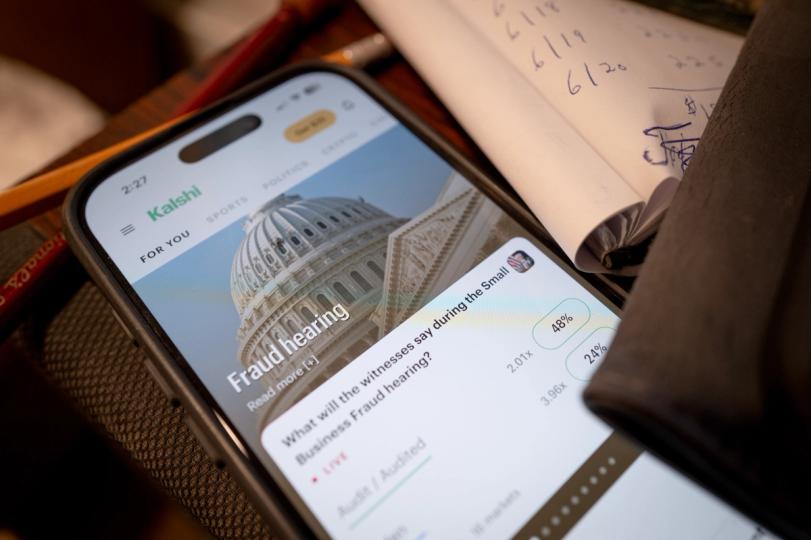
Kalshi now controls about 89% of measured US market volume for predictions, well ahead of Polymarket at 7% and Crypto.com at 4%, according to BofA estimates. The shift points to a market consolidating around platforms with clearer regulatory status.
This gap reflects a deeper tension. At the center is whether prediction markets should be treated as financial instruments or as gambling. Operating under the supervision of the Commodity Futures Trading Commission (CFTC), Kalshi designs its contracts – including those tied to political or sporting outcomes – as derivatives.
Polymarket runs on blockchain rails and has historically operated outside US regulatory boundaries. It allows users to trade on event outcomes using crypto, which often attracts global liquidity but faces domestic market restrictions.
The gap becomes more visible as regulators step in. Nevada and Massachusetts have both secured preliminary injunctions against Kalshi at the state level, while New Jersey lost an appeal that limits its ability to enforce gambling laws against the company.
At the same time, the CFTC has taken an aggressive stance in support of prediction markets.
The agency has sued several states, arguing that federal law preempts state-level rules of the game. CFTC management has also distinguished between sports betting, which it considers entertainment, and event contracts, which it classifies as hedging financial tools.
The outcome of that battle could define the industry. A federal win would allow platforms like Kalshi to scale nationally under a single framework. A loss could push the market into a state-by-state model similar to online sports betting, slowing growth.
Crypto companies are still trying to carve out a role. Polymarket remains one of the largest global platforms and has attracted attention during major events such as elections, where trading volume can increase sharply. Meanwhile, companies like Crypto.com and Coinbase ( COIN ) are experimenting with predictive market-style products, signaling broader interest from centralized exchanges. The largest crypto exchange in the world, Binance, announced on Thursday that it added a prediction market feature to the Binance Wallet.
Even traditional gaming companies are adapting. FanDuel recently shuttered parts of its fantasy sports offerings, a move Bank of America attributes in part to the rise of prediction markets. The shift suggests that users may be moving towards products that resemble trading more than betting.


