Under the agreement, the price of the R21/Matrix-M vaccine will drop to $2.99 per dose within a year—a reduction expected to save up to $90 million. These savings should allow the countries to secure more than 30 million extra doses over the next five years.
“Today’s announcement is a strong example of what our Vaccine Alliance does best,” said An Vermeersch, Gavi’s Chief Vaccine Programs & Markets Officer.
“We are leveraging innovative funding and partnerships to secure affordable vaccines that can better protect children against one of Africa’s biggest killers.”
Almost 600,000 deaths by 2023
Malaria remains one of the world’s deadliest infectious diseases. By 2023, it caused an estimated 597,000 deaths, the vast majority among young children in Africa. A child dies from the disease virtually every minute.
“A devastating death toll like this calls for action,” said Leila Pakkala, director of UNICEF’s supply division.
“At a time of declining international aid, UNICEF is determined to work with partners to provide enough vaccines at the best possible cost to protect children.”
The new pricing scheme was made possible by an advance payment through the International Finance Facility for Immunization (IFFIm), which converts long-term donor commitments into advance funds. This allows Gavi to act quickly when major market-shaping opportunities arise.
Ambition for action
“IFFIm exists to translate ambition into action,” said Ken Lay, Chairman of the IFIm Board. “This deal shows how financial innovation can unlock opportunities that save lives.”
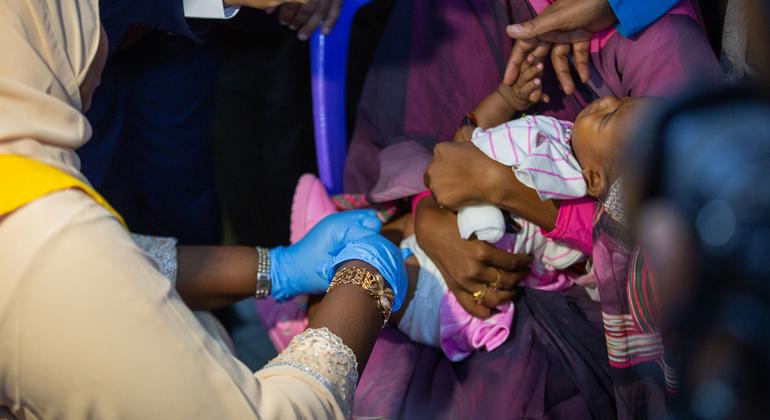
More than 40 million doses of malaria vaccine have already been delivered through Gavi-supported programs, with 24 African countries now integrating malaria vaccination into routine immunization.
Demand is high: 14 countries introduced the vaccine for the first time last year, and another seven will have done so by 2025.
The lower price is expected to help Gavi move closer to its goal of fully vaccinating an additional 50 million children against malaria by the end of the decade.
Both WHO-recommended malaria vaccines, R21/Matrix-M and RTS,S, have been shown to reduce malaria cases by more than half in the first year after vaccination, with additional protection after a booster dose.
For families and healthcare systems already burdened by the disease, the expanded rollout could be transformative. “This is about giving every child a fair chance for protection,” Lay said. “It’s about saving lives now, not years from now.”