
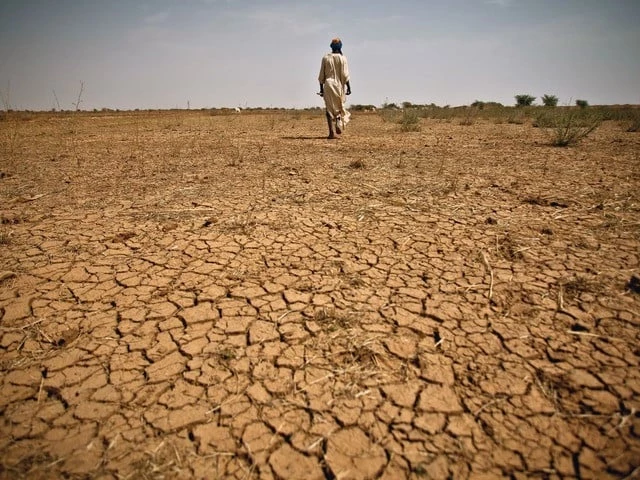
Westerly winds are expected to bring the first major spell of winter rain from December 6, and are likely to continue throughout the month
The Balochistan Meteorological Department has issued an encouraging outlook for the province’s drought-hit regions, predicting heavy rainfall accompanied by thunder and lightning in December.
Officials said a strong system of westerly winds is expected to bring the first significant period of winter rain between December 6 and 10, with intermittent showers likely to continue throughout the month. According to meteorologists, the expected rainfall can bring significant relief to drought-hit districts including Zhob, Sherani, Musa Khel, Barkhan, Kohlu, Sibi, Lasbela, Awaran, Kech, Gwadar, Panjgur, Khuzdar, Qila Saifullah, Chagai, Noshki, Washuk.
Some areas may experience heavy downpours along with thunder, while higher elevations may experience snowfall. Experts noted that northwesterly winds are unusually active this year and persistent moisture from the Arabian Sea is expected to support a prolonged and beneficial rain pattern. The rain could help rebuild dams and groundwater reserves across the province.
The forecast has sparked cautious optimism among farmers, herders and rural communities struggling with persistent water scarcity. In several areas, residents gathered in mosques to ask for volunteers, seek greenery and renew water supplies.
However, the department urged the public to remain vigilant, especially those living near streams and seasonal water channels, and warned that heavy showers could trigger flash flooding.
Balochistan has been affected by prolonged drought, with 12 districts classified under severe drought conditions. Last month, the Pakistan Meteorological Department issued a notification urging the provincial government to take preventive measures in vulnerable areas.
According to the Met Office, Balochistan’s climate ranges from arid to semi-arid, characterized by highly irregular rainfall, sharp temperature variations and prolonged dry spells. The south-west and south of the province enjoy little of the summer monsoon and are heavily dependent on winter showers with annual rainfall between 71 and 231 millimetres.
Between May and October 2025, these regions recorded a below-normal rainfall deficit of 79 percent, along with a marked increase in consecutive dry days—factors that have exacerbated drought conditions. The PMD report summarizes rainfall departures and the increase in dry spells in the affected districts.


