
- Ubisoft’s annual financial report claims microtransactions make gaming experiences “funnier”
- It comes after many years of criticism regarding microtransactions, especially in one-player games
- It requires a change, especially considering the increased price standard for games
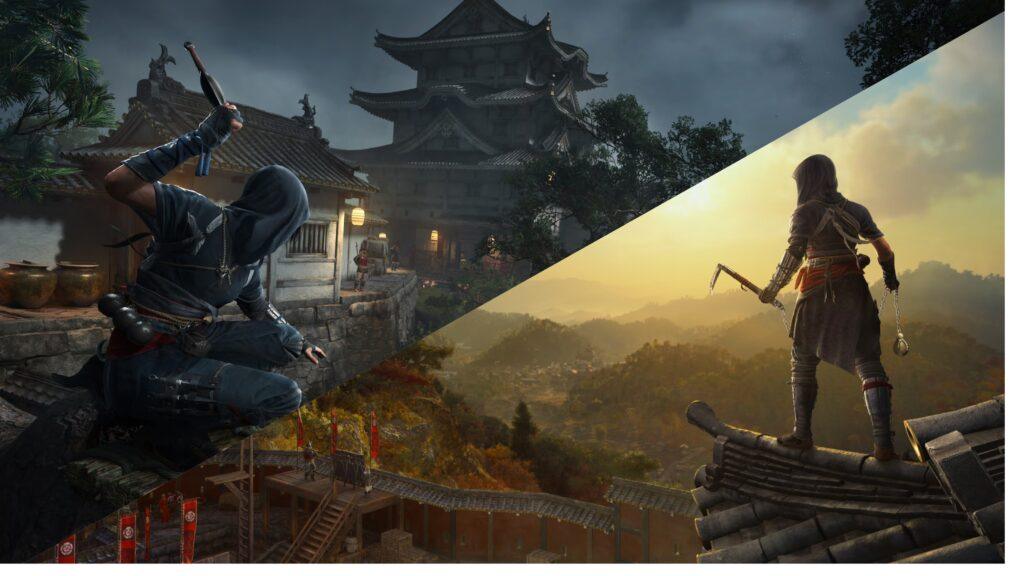
After the release of Ubisoft’s recent Assassin’s Creed ShadowsThe French video game publisher is in the limelight once again – but this time it is not particular for the best reasons for players.
As reported by Notebookcheck, Ubisoft’s annual financial report claims that its microtransactions and monetization in Premium games “make the player experience more fun”. It’s a bold statement in the wake of titles like Star Wars OutlawsAt Skull and bonesand Assassin’s Creed ShadowsAs everyone has microt transactions for boosters, skins and other cosmetics in the game.
It’s not a good look for Ubisoft in the players’ eyes; Most AAA games cost $ 70 / £ 60 or more, whether one is a one-player or multiplayer, and the addition of monetizing does not do anything better- especially When microt transactions have a significant presence in single-player titles.
It is a very similar rhetoric as complaints from players (and myself) regarding microtransactions that dominate Call of Duty Franchise, with an abundance of cosmetics that cost $ 16 or more, despite the $ 70 standard edition. As for single player, similar complaints were widespread for Capcoms Dragon’s Dogma 2With character editing and fast travel articles that have opportunities for microtransaction, albeit to a admittedly less irregular degree.
Ubisoft also emphasizes in the report that monetized cosmetics are optional, but players will be aware that some titles have been created to encourage players to make purchases in the game and it is either for faster progression or for better character adjustment.
Analysis: Micro-transactions have no place in non-free-to-game games, so make it stop
Statements like these from Ubisoft are nothing but an attempt to defend microtransactions against their deserved criticism in the last few years. I have kept the same thoughts on EA as the introduced microtransactions for older FIFA titles, and it’s simple. Revenue generation must only Be present in free-to-game games and out of full price on one-player games, completely.
From a business point of view, Ubisoft and many other publishers have zero concerns about implementing microtransactions that should not come as a surprise. For consumers, however, it is very little benefit to pay extra for cosmetics, which is likely to lose their value in quick order.
It is clearly in Activisions Call of Duty game; While the recent titles have enabled players to transfer cosmetics from previous iterations to new titles, this only lasts for about a year or so. I would argue that these purchases in the game have even less value in single playing games, where the same cosmetics can often be unlocked from normal game progression.
The sudden increase in game prices is already bad enough, but I fear that if these video game gaming models continue, it will only make publishers more comfortable to pull awkward pricing.


