
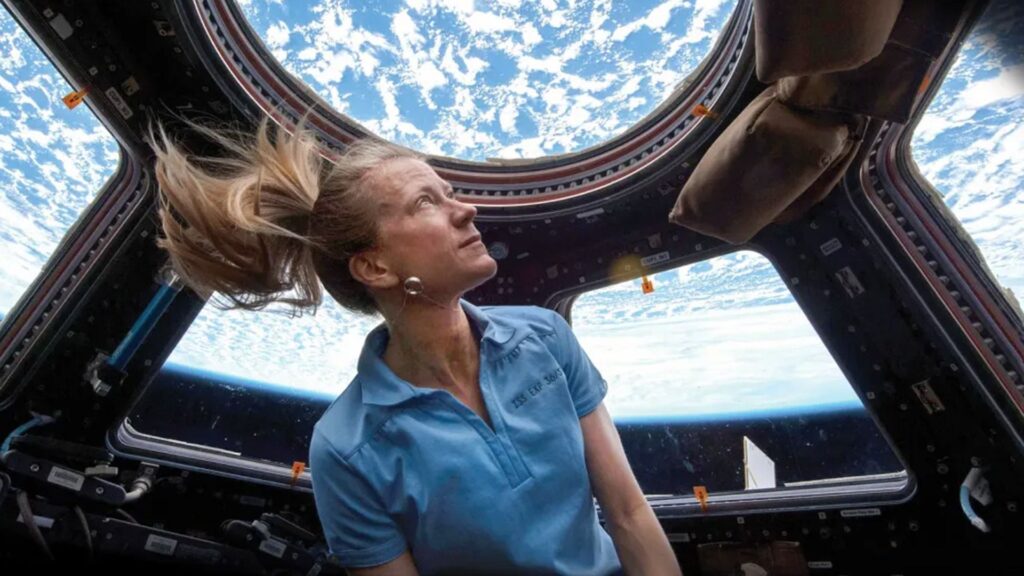
- NASA formally approves personal smartphones for government missions beginning with Crew-12
- Artemis II will carry consumer phones along with traditional space imaging equipment
- Rapid hardware approval marks a procedural shift in NASA operations
NASA has confirmed that its astronauts will now be allowed to carry personal smartphones on manned missions, starting with Crew-12 and the delayed Artemis II flight.
Crew-12 is scheduled to depart for the International Space Station in mid-February 2026, while Artemis II is now expected to launch in March.
The policy change allows astronauts to use modern iPhone and Android devices during missions, marking a shift away from NASA’s long reliance on agency-supplied cameras.
Policy change expands crew access to personal hardware
NASA Administrator Jared Isaacman said the decision was driven by a desire to give crews more flexible tools to document their experiences and share images and video with the public.
“We give our crews the tools to capture special moments for their families and share inspiring photos and videos with the world,” Isaacman wrote on X.
NASA management framed the move as more than cultural, and the agency needed to speed up the approval of modern consumer hardware for spaceflight.
They argue that the same urgency will support future scientific research in orbit and on the lunar surface.
The rapid adoption of suitable hardware can mean more than strict adherence to legacy procedures.
“Equally important, we challenged long-standing processes and qualified modern hardware for spaceflight on an accelerated timeline,” Isaacman added.
“This operational urgency will serve NASA well as we pursue the highest value science and research in orbit and on the lunar surface.”
Until now, astronauts have largely relied on Nikon DSLR cameras and GoPros, many of which were designed years ago—and while these devices are still capable, they lack the immediacy and versatility of modern smartphones.
Smartphones combine advanced sensors, image stabilization, ultra-wide lenses and video capabilities into a single device that astronauts already know how to use.
NASA believes that familiarity can allow crews to capture more spontaneous moments without interrupting planned mission tasks or relying on specialized equipment.
With smartphones available, future missions can generate far more casual images and video than previous expeditions.
The change increases the likelihood of more frequent updates from orbit and deep space, potentially making upcoming missions among the most thoroughly documented in NASA history.
However, the agency has not outlined specific restrictions on personal content creation, although mission security rules still apply.
Smartphones have flown into space before, including on private SpaceX missions, so the concept isn’t entirely new, but what’s different is that NASA is formally endorsing personal devices for flagship government missions.
While the agency describes this as “a small step in the right direction,” it reflects a willingness to rethink conservative technology regulations.
The long-term impact will depend on whether accelerated qualification becomes standard practice or remains limited to low-risk hardware such as personal smartphones.
Follow TechRadar on Google News and add us as a preferred source to get our expert news, reviews and opinions in your feeds. Be sure to click the Follow button!
And of course you can too follow TechRadar on TikTok for news, reviews, video unboxings, and get regular updates from us on WhatsApp also.


