
Under the influence of the weather system, daytime temperatures are expected to drop by 3-4°C in the northern and upper regions
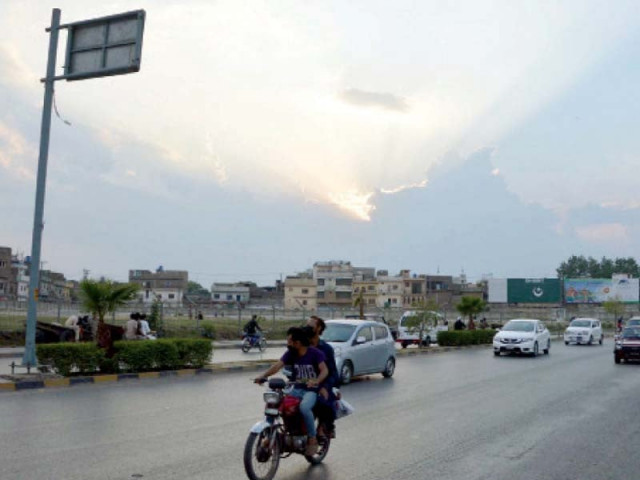
Clouds take over the skyline of Rawalpindi as the pleasant weather sets in. PPI/FILE
The National Disaster Management Authority (NDMA) on Friday issued a weather advisory predicting rain, strong winds and thundershowers over the upper parts of Pakistan from March 14 to March 16.
According to the announcement, a westerly wave is expected to approach the northwestern parts of the country on Saturday evening and continue until the early morning hours of Monday.
The areas likely to experience significant weather impacts include Gilgit-Baltistan, Azad Jammu and Kashmir, Khyber Pakhtunkhwa, Rawalpindi, Lahore, Sialkot and other parts of Punjab, as well as Zhob, Barkhan and Chaman in Balochistan.
Hail showers are also expected in isolated places during the forecast period. Additionally, another westerly disturbance is expected to affect western Pakistan on the night of March 17.
“Under the influence of this weather system, daytime temperatures are expected to drop by 3-4°C in northern and upper regions. Vulnerable areas such as upper Khyber-Pakhtunkhwa, Gilgit-Baltistan and Kashmir are at risk of landslides,” NDMA said.
The advisory urged tourists to exercise caution and avoid unnecessary travel in affected areas during the storms. The farmers were advised to take appropriate measures to protect their crops according to the prevailing weather conditions.
Considering the possibility of hailstorms, the NDMA issued the following safety advisories:
-
Immediately seek shelter indoors, in a sturdy building or inside a vehicle.
-
Stay away from windows as hail can shatter glass.
-
If trapped outdoors, use available items such as bags or jackets to protect the head.
-
Drivers must stop safely under a bridge or covered area and remain inside with seat belts on. Driving in heavy hail should be avoided due to reduced visibility and slippery roads.
-
Cover vehicles, livestock and outdoor equipment if time permits.
-
Stay updated on weather conditions via mobile apps, radios or official alerts.
The NDMA also urged all relevant authorities, including federal ministries, provincial governments and local administrations, to implement necessary precautions to protect public safety and minimize damage to property during the forecast period.


