
- Nvidia has announced its new DLSS 4.5 upscaling technology at CES 2026
- The upgrade is free for owners of the RTX 5000 GPU
- Other announcements included improvements to GeForce Now and new G-Sync Pulsar gaming monitors
We cover all the latest CES news from the show as it happens. Stay with us for the big stories on everything from 8K TVs and foldable screens for new phones, laptops, smart home gadgets and the latest in artificial intelligence.
And don’t forget it follow us on TikTok for the latest from the CES show floor!
We’re at CES 2026, and it’s unsurprisingly another big one for Nvidia. Team Green had a staggeringly good year in 2025 and now sits handsomely as the most valuable company in the world (worth an astonishing $4.5 trillion). So it’s no shock that Nvidia has a lot to show off at CES this year.
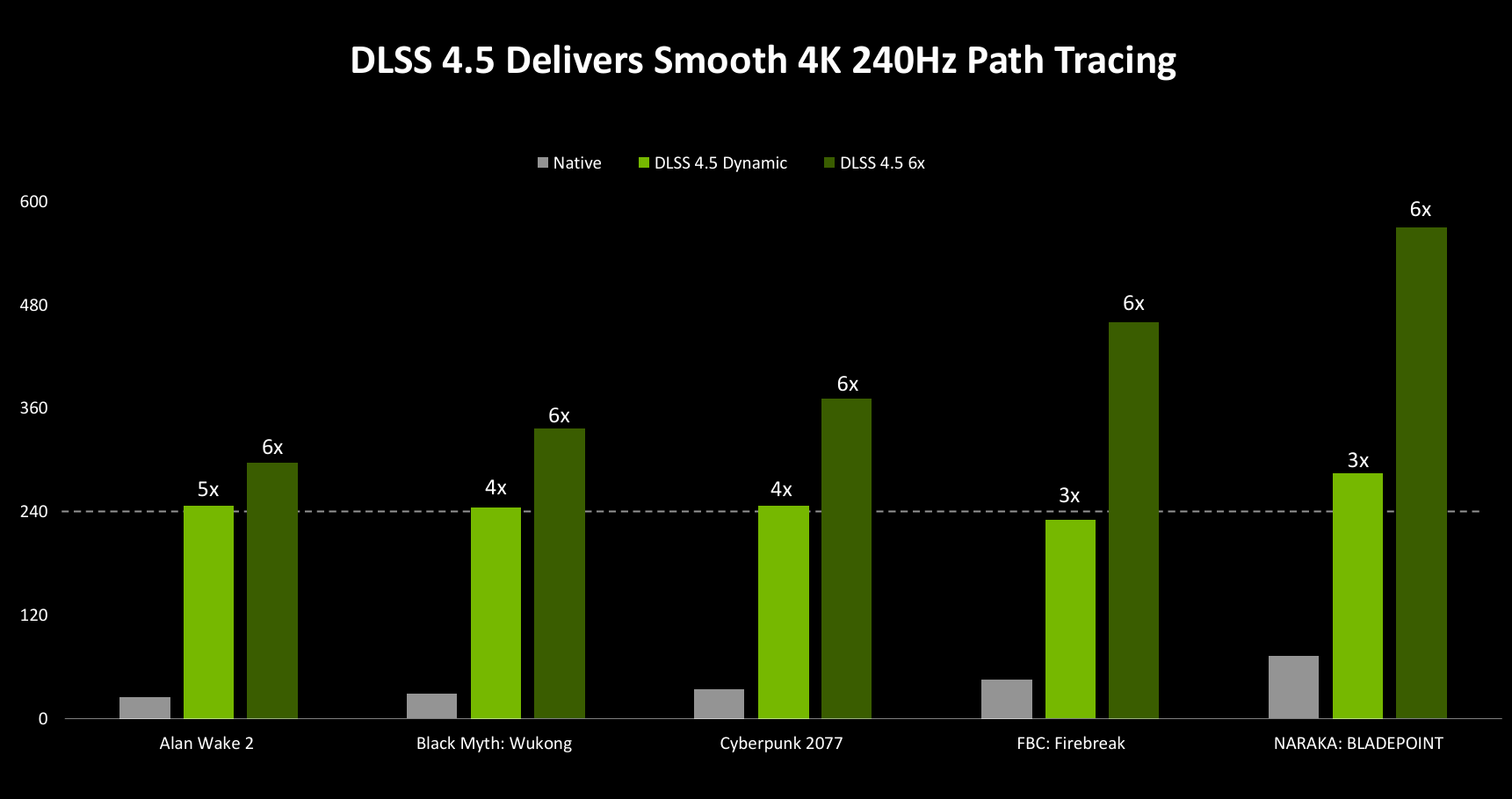
Leading the presentation was the reveal of an upgrade to Nvidia’s DLSS upscaling technology for PC gamers, but don’t get too excited; DLSS 5 is not here yet, but rather DLSS 4.5. It is an iterative upgrade that delivers a 2nd generation transformer model (which was originally introduced with DLSS 4) and general improvements to ghosting, pixel sampling and temporal stability.
Most interesting is a boost to the Multi Frame Generation (MFG) feature, which takes the maximum mode from 4x frame gen to 6x – a significant jump, although my current experiences with the 4x mode on an RTX 5060 and 5070 have been spotty (I’ve stuck to the original 2x mode in most games). That said, if the new transformer model makes the 4x mode more stable, it could be a big step forward for DLSS. The new and improved MFG will be able to intelligently target a frame rate to match your monitor’s refresh rate, further optimizing performance.
The time is now
On the heels of the DLSS 4.5 announcement, Nvidia also revealed some sweeping improvements to the GeForce Now game streaming platform, which allows users to pay a subscription to play their own games with the power of RTX graphics via cloud streaming.
A new top tier, with RTX 5080-level performance, will effectively replace the existing $19.99 per month RTX 4080 tier at the same price (regional pricing is yet to be confirmed, but will likely remain the same as the existing top tier). Nvidia is announcing up to 5K at 120 FPS or 1080p at 360 FPS for this new tier.
GeForce Now will also get built-in clients for Linux and Fire TV, the latter of which is likely to be of interest to couch gamers who want to play PC titles but don’t have a PC in the living room. Expanded controller support is also on the way; steering wheel and fly rod are first in line.
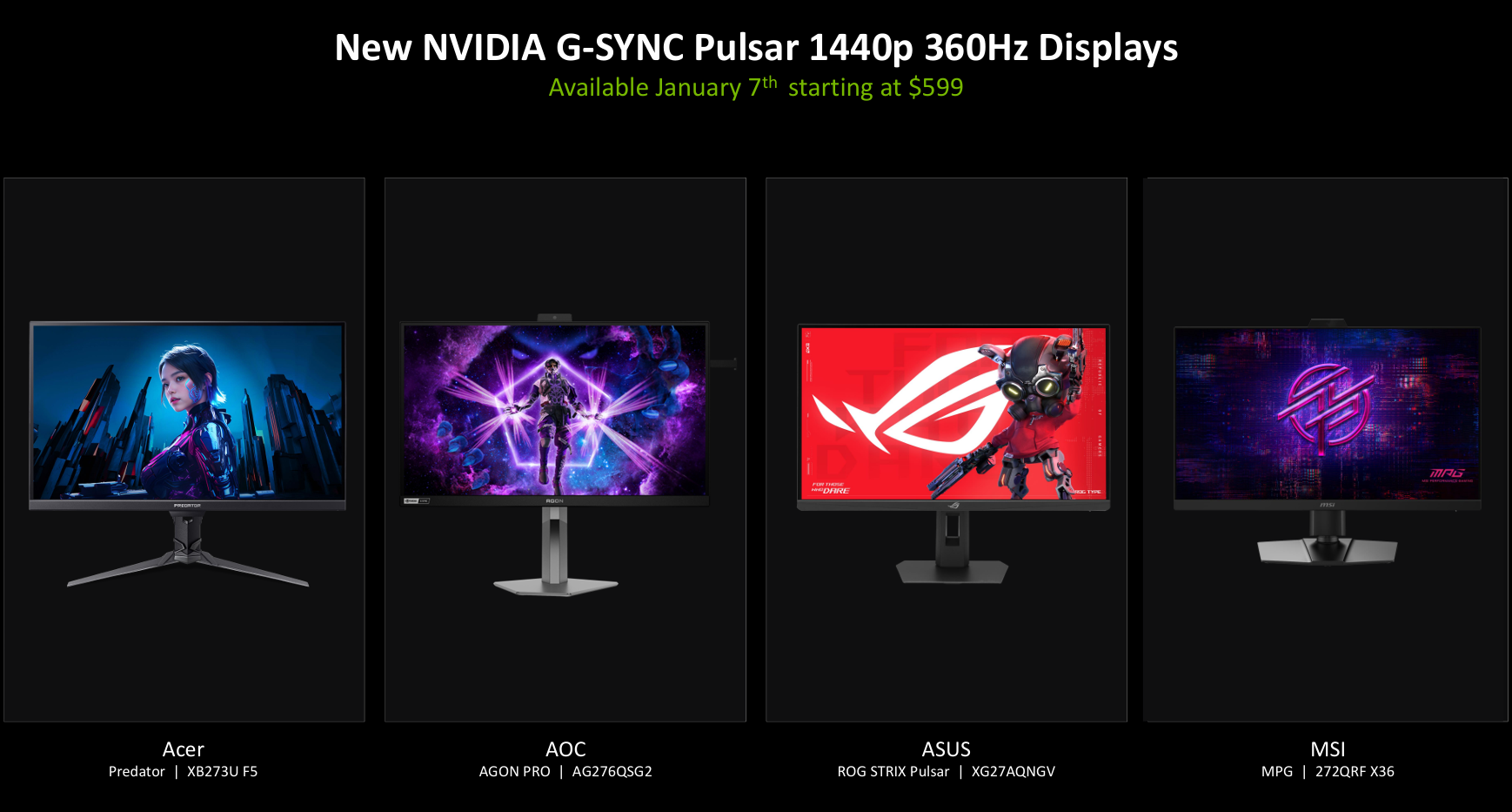
In addition, Nvidia G-Sync is getting an upgrade. The new G-Sync Pulsar technology offers improved sharpness and smoother gameplay compared to existing G-Sync monitors and will be available from January 7 in a select number of monitors from Acer, Asus, AOC and MSI.
These new monitors will reportedly be 27-inch 1440p 360Hz monitors, aimed at serious esports players, and are claimed by Nvidia to offer “1000Hz+ Perceived Motion Clarity”, which I’m sure will mean something to the aforementioned serious esports players. 360Hz sounded loud enough for me, but then again, I absolutely love it Counter-Strike.
The GPU problem
Of course, these nifty DLSS 4.5 upgrades won’t mean jack to the average PC gamer if they can’t get their hands on an RTX 5000 graphics card, and the current RAM crisis is already having a significant impact on GPU prices. Needless to say, it’s not looking good – prices are skyrocketing, inventory is thin, and it hasn’t been harder to pick up a high-end GPU since the crypto craze.
Nvidia is part of the problem, unfortunately. The recent surge in demand for components is largely driven by a new need for AI data center hardware, and Team Green is deep entrenched in the AI market at this stage.
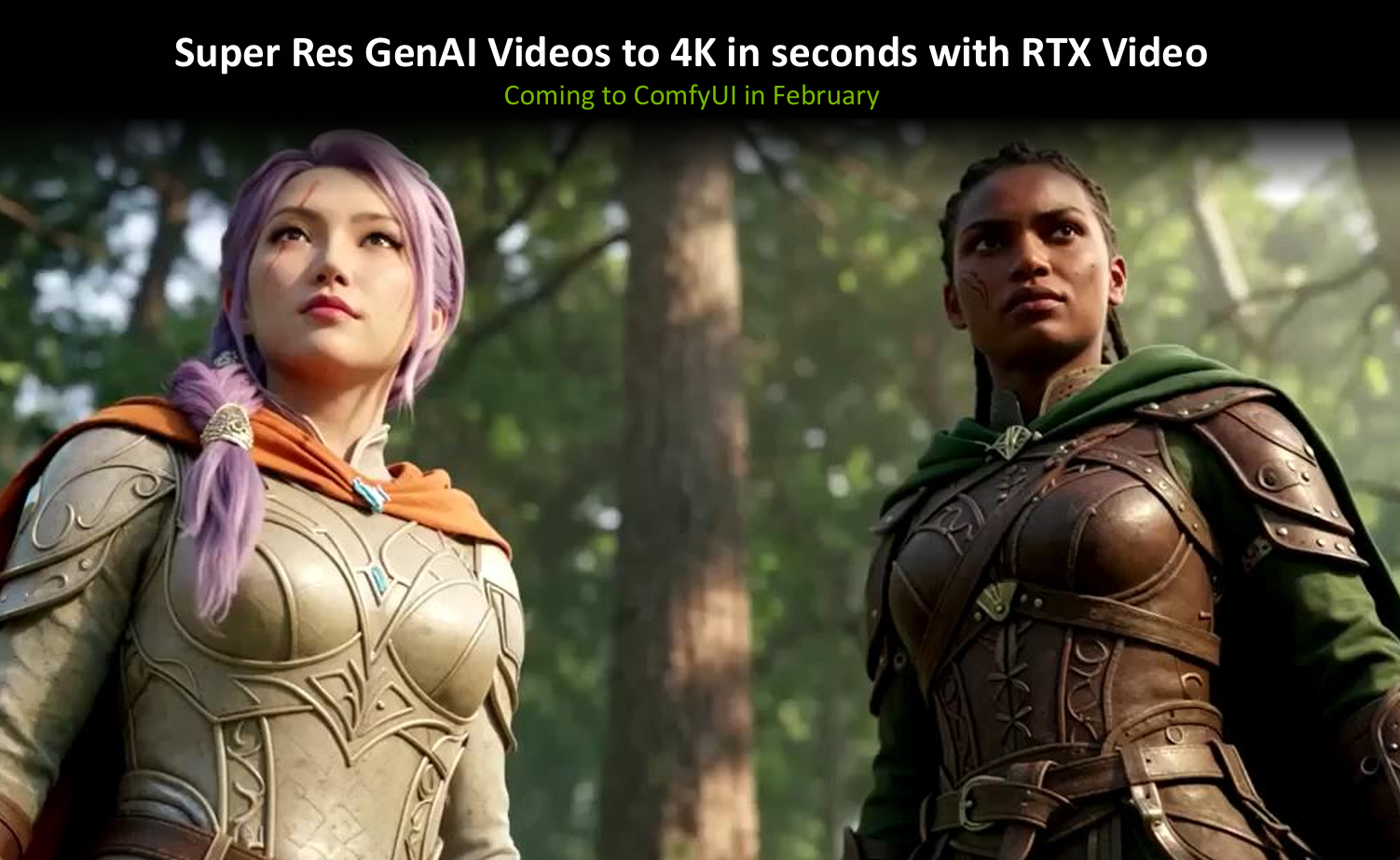
In fact, the company’s CES presentation was also full of AI advancements, with half of the slides dedicated to how the RTX 5000 benefits AI-powered content creation, LLM performance, and other AI tools. It will no doubt be another profitable year for Nvidia, but I can’t help but worry that PC gamers will end up being left in the dust – and with GeForce now providing a tempting alternative for those without their own hardware, Nvidia is set to win both ways.


