
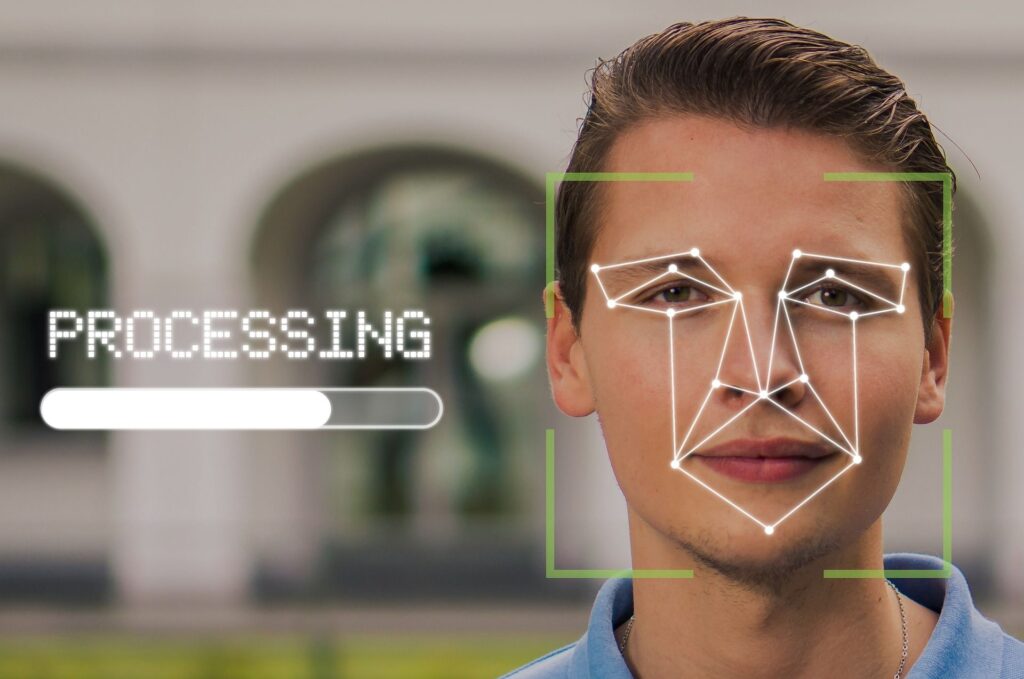
- Ping Identity report links verified trust to stronger performance
- Companies with real-time identity checks see higher conversions, less fraud, faster onboarding
- Only 9% meet IDC’s criteria, leaving most exposed in AI-driven environments
Companies that constantly verify user identities in real-time outperform those that don’t. They grow faster, reduce fraud, remain more compliant and run more efficiently, especially as AI-driven threats increase.
This is according to a new paper recently published by Ping Identity. Based on a survey of nearly 800 organizations worldwide, the paper says most respondents are unrealistic about their efforts to establish trusted digital identities, exposing them to various risks.
Ping says companies that meet verified trust criteria perform “significantly” better compared to those that don’t: they have 51% higher customer sign-up conversions, 44% stronger compliance readiness, 43% lower fraud losses and 47% faster workforce onboarding time.
The article continues below
Overconfident in their efforts
According to IDC, which ran the polls, verified trust is “a continuous assurance that every digital interaction, whether human or machine/AI agent, is tied to an independently verified identity and remains trusted over time.”
But there is a significant disconnect from reality when it comes to verified trust. Around half (51%) of organizations believe they are ahead of their peers in establishing trusted digital identity, but less than a tenth (9%) meet IDC’s criteria.
Two-thirds (69%) verify 75-100% of trust flows compared to 16-19% of early-stage users, and 94% of executives operate at enterprise scale across trust flows, while early-stage organizations remain limited to pilot deployments.
Finally, managers choose biometrics, access keys and digital wallets (80-83%), while starters cannot pass the 30% mark.
For Emanuel Figueroa, senior research analyst at IDC, verified trust has grown into a “prerequisite for operating at scale in AI-driven environments”.
“As AI increases autonomy and complexity, identity becomes the mechanism for control, accountability and trust. Organizations that establish this foundation early will move faster with less risk; those that don’t will accumulate costs, friction and regulatory exposure over time.”
The best antivirus for all budgets
Follow TechRadar on Google News and add us as a preferred source to get our expert news, reviews and opinions in your feeds. Be sure to click the Follow button!
And of course you can too follow TechRadar on TikTok for news, reviews, video unboxings, and get regular updates from us on WhatsApp also.


