The WHO is calling on governments to significantly increase taxes on sugary drinks and alcohol, as two new reports reveal that taxes remain low in many regions.
“Health taxes have been shown to reduce consumption of these harmful products, contribute to disease prevention and reduce the burden on health systems“, WHO director-general, Dr. Tedros Adhanom Ghebreyesus, told reporters almost on Tuesday.
“At the same time they generate an income stream which governments can use to invest in health, education and social protection.”
What are the results?
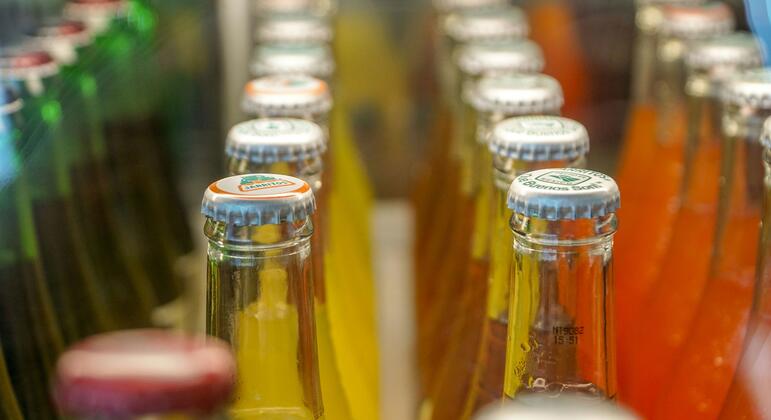
Among other results, the report on taxes on sugar-sweetened beverages shows that while at least 116 countries tax sugary drinks – including soft drinks or carbonated canned drinks – other high-sugar products, such as 100 percent fruit juice, sweetened milk drinks and ready-to-drink coffee and tea, are exempt from taxation.
The report on the use of alcohol taxes shows that although 167 countries levy taxes on spirits, wine and beer, alcohol has become more affordable or remained unchanged in price in most countries since 2022 as taxes are not adjusted for inflation and income growth.
Why it matters
A cold sweet pick-me-up from your local coffee shop on a hot day can have harmful consequences if consumed regularly.
The increased intake of sugary drinks is associated with:
- Increased risk of overweight and obesity
- Type 2 diabetes
- Cardiovascular disease
- Other negative effects including caries and osteoporosis
Similarly, the negative health effects of alcohol include:
- Increasing risks to maternal and child health
- Exposure to communicable and non-communicable diseases
- Damage to mental health
- Increasing the likelihood of injury to yourself and others
Increasing taxes on harmful drinks leads to fewer people consuming them.
To illustrate the success of this approach, WHO chief Tedros cited several examples, including the UK, which introduced a tax on sugary drinks in 2018. This led to:
- Reduced sugar consumption
- A revenue increase of £338 million in 2024 alone
- Lower obesity rates in 10- and 11-year-old girls, especially in disadvantaged communities
The WHO is calling on governments to raise and redesign taxes as part of a new health initiative targeting tobacco use and excessive consumption of alcohol and sugary drinks.