
Islamabad:
The Pakistan-Kina Institute (PCI), a leading Islamabad-based think tank, has released a detailed report on the 2025 Pakistan-India standoff, which describes it as a turning point confirming Pakistan’s strategic deterrence and exposed what it called a “monumental abuse” of the Indian Prime Minister Narendra Modi.
Titled “16 hours that reshaped South Asia: How Modi’s wrong calculation led to Pakistan’s precedence”, the 25-page report was launched by PCI chairman Senator Mushahid Hussain Sayed. He described the confrontation as “India’s most serious setback since Nehru’s defeat in the war in 1962 with China”.
The report analyzes the regional consequences of the conflict that followed the terrorist attack on April 22 in Pahagam, and traces events to the possible ceasefire.
According to PCI, Pakistan’s armed forces under the direction of Field Marshal Syed Asim Munir and air manager Marshal Zaheer Ahmed Babar responded with flawless coordination between service and strategic clarity.
Hussain praised the military’s use of sophisticated technology, including electronic warfare tools, claiming that Pakistan achieved cyber over the confrontation. He also highlighted the role of Pakistan Air Force (PAF) and credited their professionalism, training and operational skill as important to the successful reaction.
By calling the episode “Pakistan’s finest time” since nuclear testing in 1998 – which he served as Minister of Information – Senator Hussain said the state showed “perfect planning, perfect coordination and perfect execution”, further improved by deep diplomacy and effective media message.
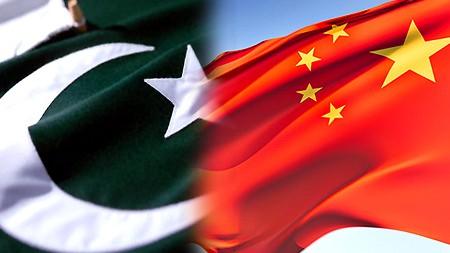
The report’s coverage containing images of JF-17 Thunder and J-10C fighter jets symbolizes Pakistan’s advanced military capabilities. It also emphasizes China’s central support and notes that Beijing under President Xi Jinping stood at Pakistan “as a solid rock”.
The United States also received praise. Hussain credited President Donald Trump to mediate the ceasefire and help revive the Kashmir question on the international scene described by the report as a blow to India’s diplomatic status.
Think Tank recommends a comprehensive strategic approach based on three pillars: proactive regional diplomacy, “creative statutory” on issues such as Indus Waters Treaty and global narrative formation through think tanks, media and diplomatic commitment.


