
- South Korea adds facial recognition to SIM registration to cut off scam-driven phone numbers
- Stolen personal data has made mobile fraud cheap, and regulators want higher barriers
- Security flaws in telecommunications forced the government to rethink how phone accounts are approved
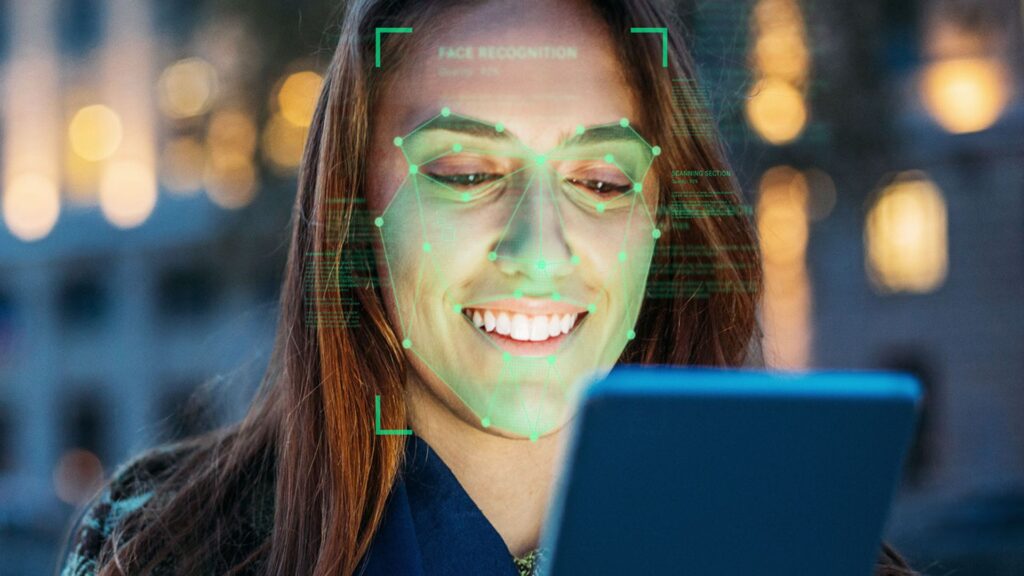
South Korea is moving to tighten up how new mobile accounts are set up by adding facial recognition to the sign-up process.
A new government post (via The register) outlined how the change will reduce fraud that relies on fraudulently registered phone numbers.
Under the new policy, buyers will still present official identity documents, but they will also complete a facial scan through mobile applications that support the carrier.
Data breaches are pushing regulators towards tighter controls
The Ministry of Science and ICT argues that stolen personal data alone should no longer be enough to activate a telephone line.
This policy change follows a year marked by major data theft incidents affecting a large part of the population.
South Korea has nearly 52 million people, and security breaches this year exposed records belonging to more than half of them.
This includes Coupang, a top e-commerce company leaking tens of thousands of customer records, triggering leadership changes, and SK Telecom also disclosing sensitive data linked to its entire subscriber base.
Investigations found basic security flaws, including unencrypted credentials and infrastructure details left on public servers.
Regulators responded with heavy fines and mandatory compensation to customers, increasing financial pressure on the airline.
Authorities say stolen data fuels phone-based scams, such as voice phishing, which rely on easily accessible numbers.
The government also points to mobile virtual network operators as a major source of fake phone records, accounting for the majority of cases detected in 2024.
Officials believe that biometric checks will increase the cost and complexity of fraud, even if they do not eliminate it.
The same rationale underpins the interest in alternatives such as eSIM, which can limit physical SIM misuse but still depend on secure identity verification.
Facial verification raises questions about how biometric data is stored, protected and audited over time.
South Korea’s three major carriers, SK Telecom, LG Uplus and Korea Telecom, use an app called PASS that stores these credentials, but recent security flaws are making public trust harder to achieve.
For consumers, the process adds friction to buying a new line, especially for short-term or prepaid use.
Companies that manage large fleets of business phones may face extra administrative steps, although regulators argue the trade-off is justified.
This policy reflects a view that stronger identity checks are preferable to absorbing repeated losses from weak controls, although the approach shifts risk rather than removing it entirely.
Follow TechRadar on Google News and add us as a preferred source to get our expert news, reviews and opinions in your feeds. Be sure to click the Follow button!
And of course you can too follow TechRadar on TikTok for news, reviews, video unboxings, and get regular updates from us on WhatsApp also.


