
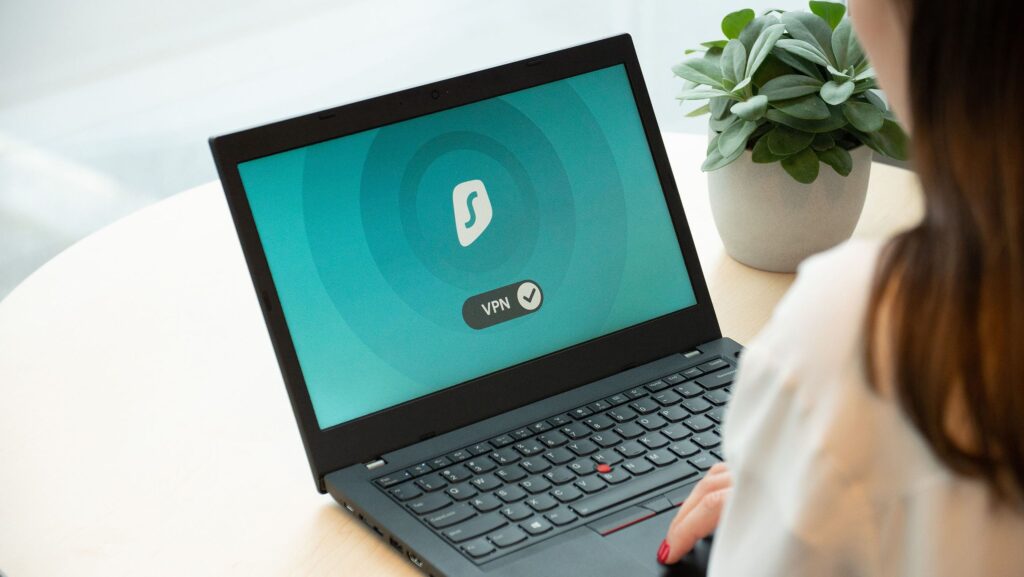
- Surfshark has partnered with Internews to provide free VPN protection
- The company helps journalists and activists in nine high-risk countries
- Surfshark joins other VPN humanitarian programs in protecting press freedom
Surfshark has teamed up with Internews, an international non-partisan media advocacy nonprofit organization, to provide journalists and advocates with access to free VPN protection.
The partnership equips 100 media and civil society organizations in nine war-torn and repressive regions with encrypted connections that mask IP addresses and bypass state-imposed firewalls. This protects journalists from surveillance, protects their sources and lets them verify facts and publish content without fear of internet blackouts.
Surfshark already offers an Emergency VPN initiative, and this latest effort sits alongside a growing number of VPN-powered humanitarian projects that include programs from some of the best VPN services.
Securing the front lines
The Internews-Surfshark partnershipp provides fully paid Surfshark One subscriptions to 100 media organizations and civil society organizations operating in nine high-risk countries.
Surfshark One combines the core virtual private network (VPN) software with a suite of complementary security tools, including Surfshark Antivirus and data leak alerts, all protected by 256-bit AES encryption, a built-in kill switch and an independently audited no-logs policy.
Surfshark One’s all-in-one package lets journalists stay online even when governments block or throttle VPN traffic, while also defending against malware and alerting users if their personal data is breached.
As part of the support, Internews hosted a digital security training in Kampala for Sudanese journalists and civil society activists. Attendees received hands-on guidance on how VPNs work, the specific threats they mitigate, and how to integrate the full Surfshark One toolset into daily reporting practices.
Trusted VPN services like Surfshark give journalists and activists alike the anonymity and data protection they need to work safely in hostile environments. By masking IP addresses and enforcing a strict no-logs policy, a VPN makes it harder for authorities to track who is accessing or publishing sensitive material. The encrypted tunnel ensures that everything from documents to video files travels without interception or manipulation.
Built-in security tools such as Surfshark’s ad and tracker blockers, anti-malware scanners, and breach alert services also help protect devices from hacking attempts that might otherwise reveal sources or compromise credentials.
When these safeguards work together, journalists can verify facts, transfer footage securely and keep contacts secure, which can mean the difference between a story reaching the public and a community being kept in the dark.
VPN providers roll out humanitarian programs to protect journalists
Surfshark’s latest partnership with Internews builds on a track record of humanitarian work. Surfshark has already operated an emergency VPN service that provides free credentials to journalists and activists whose regular connections are blocked or disconnected.
Nor is it the only VPN provider to take this approach. NordVPN and IPVanish also run comparable emergency VPN schemes that provide temporary, free access to journalists in crisis zones.
In addition to emergency access, ExpressVPN maintains a digital security resource library that curates tools, training, and best-practice guides specifically for journalists and activists. Proton VPN is extending a dedicated discount for its Proton for Business plan to media organizations.
Reliable, unrestricted Internet access, reinforced by a comprehensive cybersecurity suite, is therefore a cornerstone of press freedom in any high-risk environment.
Follow TechRadar on Google News and add us as a preferred source to get our expert news, reviews and opinions in your feeds. Be sure to click the Follow button!


