
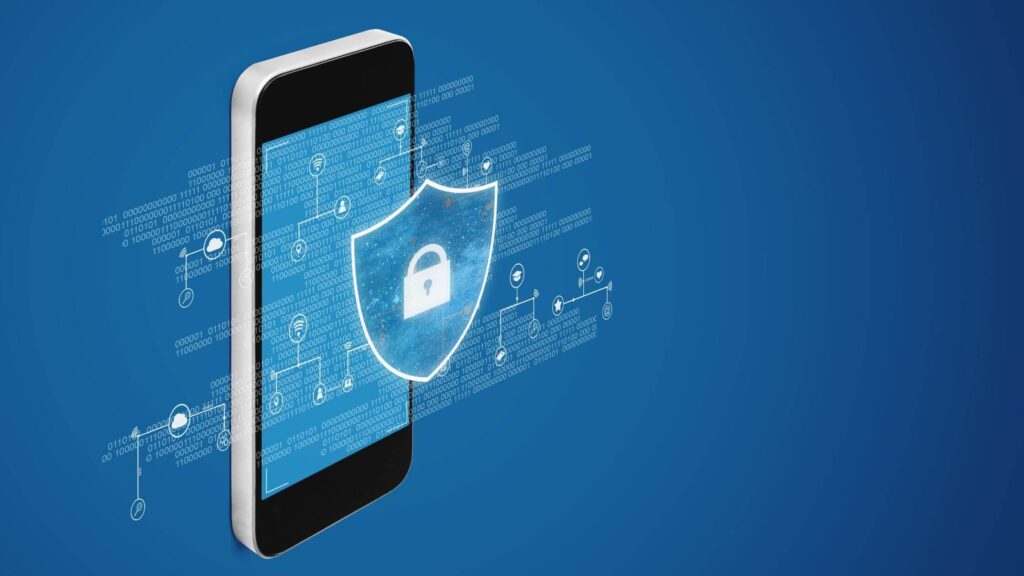
- Soverli enables multiple operating systems to run simultaneously on a single smartphone
- Mission-critical users can maintain workflow even if Android is compromised
- Employees can separate personal and business environments without sacrificing device functionality
A Swiss cybersecurity startup, Soverli, has announced a new approach to mobile security that works with Android and iOS on commercial smartphones.
The company aims to provide a fully auditable operating system layer that can run independently even if the underlying OS is compromised.
This architecture lets organizations maintain business continuity without sacrificing the features and convenience users expect from standard devices.
Mission-critical applications and early adoption
Observers often compare Soverli’s model to Proton, taking a similar high-security approach to smartphones over email and VPN services.
Soverli’s initial use cases focus on mission-critical communication for public organizations and first responders.
Pilots include emergency services, police and firefighting units where constant availability is essential.
By running a dedicated software stack isolated from Android, essential workflows remain functional even during misconfigurations or attacks affecting the primary operating system.
Journalists and human rights workers can also use the isolated environment to protect communications and ensure that secure messaging apps work away from surveillance or interference.
“We built a fully auditable smartphone sovereign layer that remains operational even when Android is compromised,” said Ivan Puddu, co-founder and CEO of Soverli.
“It’s a paradigm shift: instead of hoping the operating system never breaks, Soverli guarantees continuity if it does, without forcing users to give up the modern smartphone experience they expect.”
The platform has attracted interest from companies exploring secure bring-your-own-device programs.
Employees can maintain a personal environment alongside a tightly controlled corporate workspace and protect sensitive corporate data without eroding personal privacy.
The architecture supports standard business smartphones while separating personal and work environments.
Security features integrate with mobile device management systems and provide protection against identity theft through controllable verification processes.
Engineers developed the technology over four years at ETH Zurich, enabling multiple operating systems to run simultaneously on a single device without hardware changes.
The patent-pending system reduces the attack surface for critical applications, while encryption tools protect data inside the isolated OS.
Users can switch between Android and the supreme operating system in milliseconds, balancing convenience with added security.
The startup has shown that Signal runs inside the sovereign layer, confirming that messages remain confidential even if the primary OS is compromised.
The approach is in line with Europe’s wider push towards digital sovereignty, with governments and organizations demanding auditable infrastructure.
Smartphones, long considered a weak point, can now support superior protection without removing functionality or forcing trade-offs for ease of use.
With $2.6 million in pre-seed funding, Soverli plans to expand engineering teams, strengthen OEM partnerships and scale integrations with the company’s productivity tools.
“People deserve phones they can actually trust, and OEMs need to deliver,” said Antonia Albert, investor at Founderful.
“Soverli’s Swiss-made sovereign layer is the kind of breakthrough that could rewrite the rules of mobile security.”
Follow TechRadar on Google News and add us as a preferred source to get our expert news, reviews and opinions in your feeds. Be sure to click the Follow button!
And of course you can too follow TechRadar on TikTok for news, reviews, video unboxings, and get regular updates from us on WhatsApp also.


