
- The RAM crisis will bring “seismic” changes to phones, says a new report
- This means rising prices and changed specifications
- The changes can be long lasting and potentially permanent
If you’ve been considering upgrading your computer, it’s been hard to avoid news of rapidly rising component prices caused by the ongoing shortage of RAM. The impact on all the top phones has been less clear, but a new report has highlighted how it could drastically affect the smartphone world over the coming months.
The report comes from technology analysts IDC (via Bloomberg), and it makes for pretty grim reading. According to IDC, the global smartphone market will shrink 12.9% in 2026, triggering a “crisis like no other” in the industry. In fact, IDC says previous upheavals will pale in comparison, saying that “Tariffs and the pandemic crisis seem like a joke compared to this.”
The outlook for consumers is pretty bleak. In response to the memory crunch, Bloomberg says smartphone makers are “reining in specs, eliminating unprofitable entry-level models and pushing consumers to buy more premium devices.”
And it may not be a temporary change either. IDC senior research director Nabila Popal believes that “The smartphone market will experience a seismic shift once this crisis is over – in size, average selling prices and competitive landscape.”
For its part, Bloomberg believes that the current situation will extend into 2027 and that “even when supply is replenished, a return to the old price structures now appears unlikely.”
Bad news, especially for Android
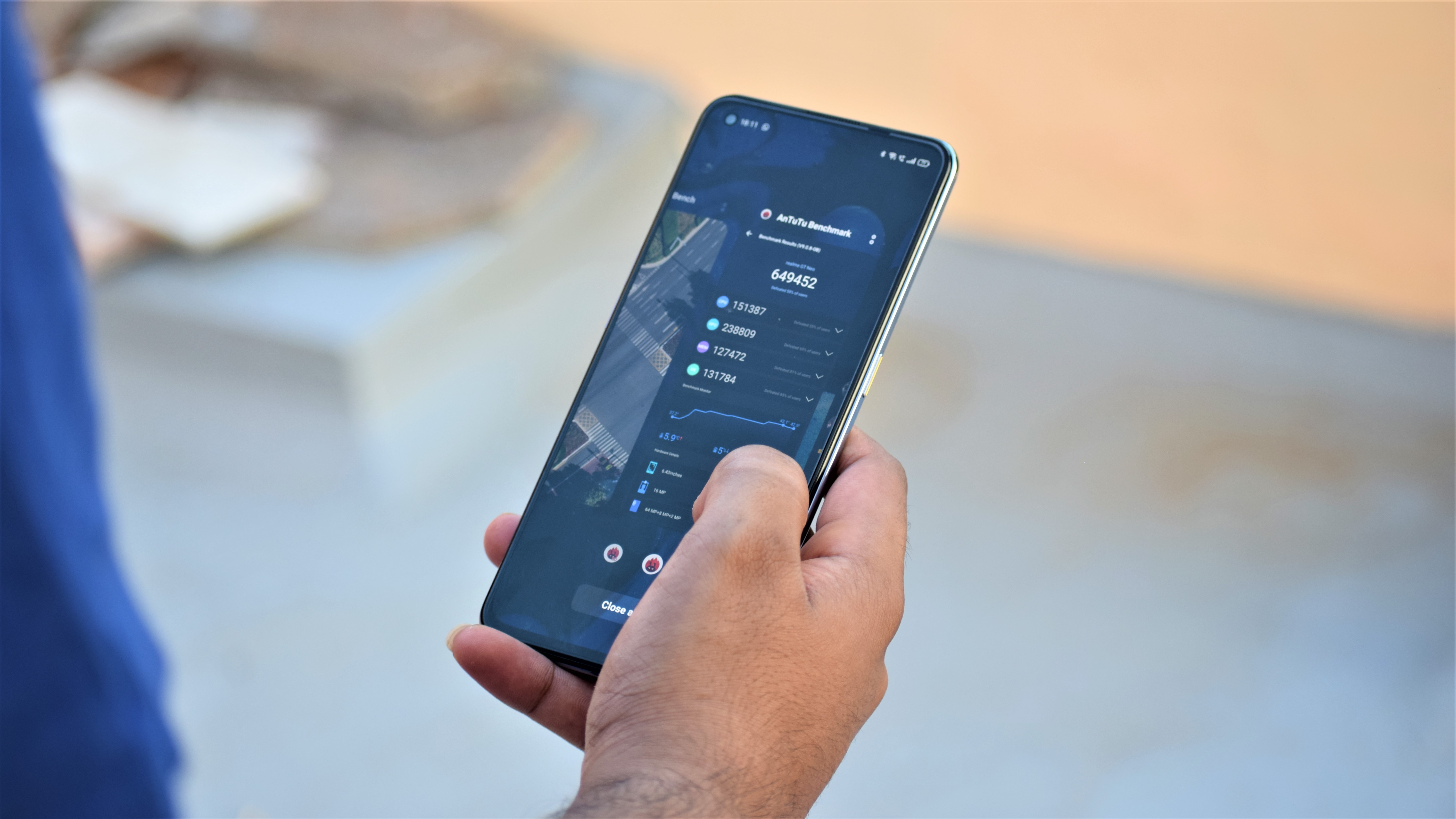
The ongoing RAM crisis is caused by the extreme demands of the artificial intelligence (AI) industry, which has eaten up most of the component supply for their data center needs, and it is now having a knock-on effect on consumer devices.
As Bloomberg puts it: “Demand for advanced memory to power artificial intelligence tasks has drained global supply well into next year and is now jeopardizing the business model of many smartphone makers.”
The state of the industry is particularly bad news for Android phones, where margins tend to be thin and prices are often low. IDC noted that entry-level devices could be particularly hard hit, as memory makes up a larger share of manufacturers’ costs at this end of the market. Companies such as Lenovo and Xiaomi have already warned that prices may have to rise.
Premium companies like Apple may weather the storm a little better, as their higher profit margins may allow them to absorb more of the cost increases rather than pass them on to consumers. That said, Apple CEO Tim Cook recently admitted that the supply shortage could have a “little more impact” going forward than it did last year, raising the question of whether the company will have to raise prices.
IDC is not the only research firm to take this pessimistic view. For example, analysts at Counterpoint recently claimed that “2026 is shaping up to be the worst year in smartphone history” due to a “full-scale supply shock” triggered by the RAM shortage.
IDC’s Popal struck a gloomy note, adding: “The days of cheap smartphones are over, as even when the crisis is over, we don’t expect memory prices to go back to 2025 levels.” According to Bloomberg, about 170 million sub-$100 phones were sold by 2025 — an entire segment that now looks “uneconomic to maintain.”
Follow TechRadar on Google News and add us as a preferred source to get our expert news, reviews and opinions in your feeds. Be sure to click the Follow button!
And of course you can too follow TechRadar on TikTok for news, reviews, video unboxings, and get regular updates from us on WhatsApp also.


