
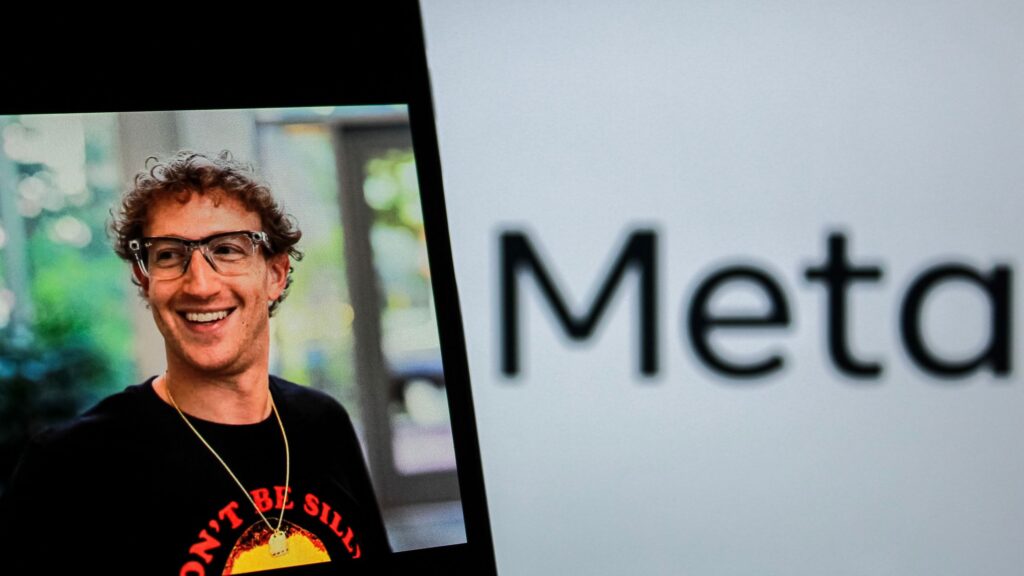
- Mark Zuckerberg spoke at the social media addiction trial in LA
- He defended Meta’s approach to protecting teenage users
- The planter’s lawyer argued that Meta was targeting teenagers for growth platforms
Meta’s focus may appear to be more on AI and smart glasses than the social media platforms that saw it rise to prominence, but mistakes it is accused of making in keeping teenagers safe online could affect the entire company and the entire tech industry.
To keep you updated, Meta and YouTube are currently embroiled in a social media addiction lawsuit being held in Los Angeles that pits the duo against a plaintiff who accuses the companies of knowingly creating harmfully addictive platforms.
It is one of thousands of similar lawsuits that have been filed against social media giants, which try to argue that platform features, rather than platform content, have created negative addictive tendencies in younger users. Social media content is protected by the infamous Section 230 federal rule, which shields platforms from liability for the user-generated content on their sites, but lawyers for the plaintiff argue that the law doesn’t protect features like infinite scrolling.
The trial started a little over a week ago, and after opening arguments from lawyers from each side, key figures are taking the stand, including most recently Meta CEO Mark Zuckerberg.
Zuckerberg defended his company’s actions, saying that while he regrets that Meta isn’t making faster progress in its efforts to identify users under 13, the teams working on platforms like Facebook and Instagram have spent years addressing “problematic use” because “it’s the right thing to do” (via the BBC).
This includes adding features such as daily usage limits, usage alerts and the ability to turn off notifications in the evening and overnight.
However, he was questioned about various internal communications, such as one in 2017 in which an executive says “Mark has decided that the top priority for the company is teenagers,” and another from 2015 in which Zuckerberg and others discuss strategies to increase “teen use.”
Zuckerberg was also asked about a 2019 research report by an independent firm done on behalf of Instagram, which said teenagers had “an addict’s narrative about their Instagram use.”
As we’ve discussed in previous articles about this ongoing story, the verdict in this lawsuit could have major implications for social media companies. There are thousands of similar lawsuits making their way through the US courts, which would take precedent from the decisions made here, and a negative outcome for Meta and YouTube could encourage more governments to introduce or tighten restrictions on social media for younger users, following Australia’s lead.
But for both of these companies, a negative outcome—or even just a negative outcome in the court of public opinion—could affect not only their past mistakes, but also their future projects.
Both Meta and Google, parent of YouTube, are currently pushing hard into artificial intelligence and wearables with Ray-Ban Meta glasses and Android XR. Smart glasses are the big new thing in technology, and there are rumors that Meta might finally launch a smartwatch to compete with Android and Apple bands, but these gadgets can give these companies a lot of insight into our lives and our physical health.
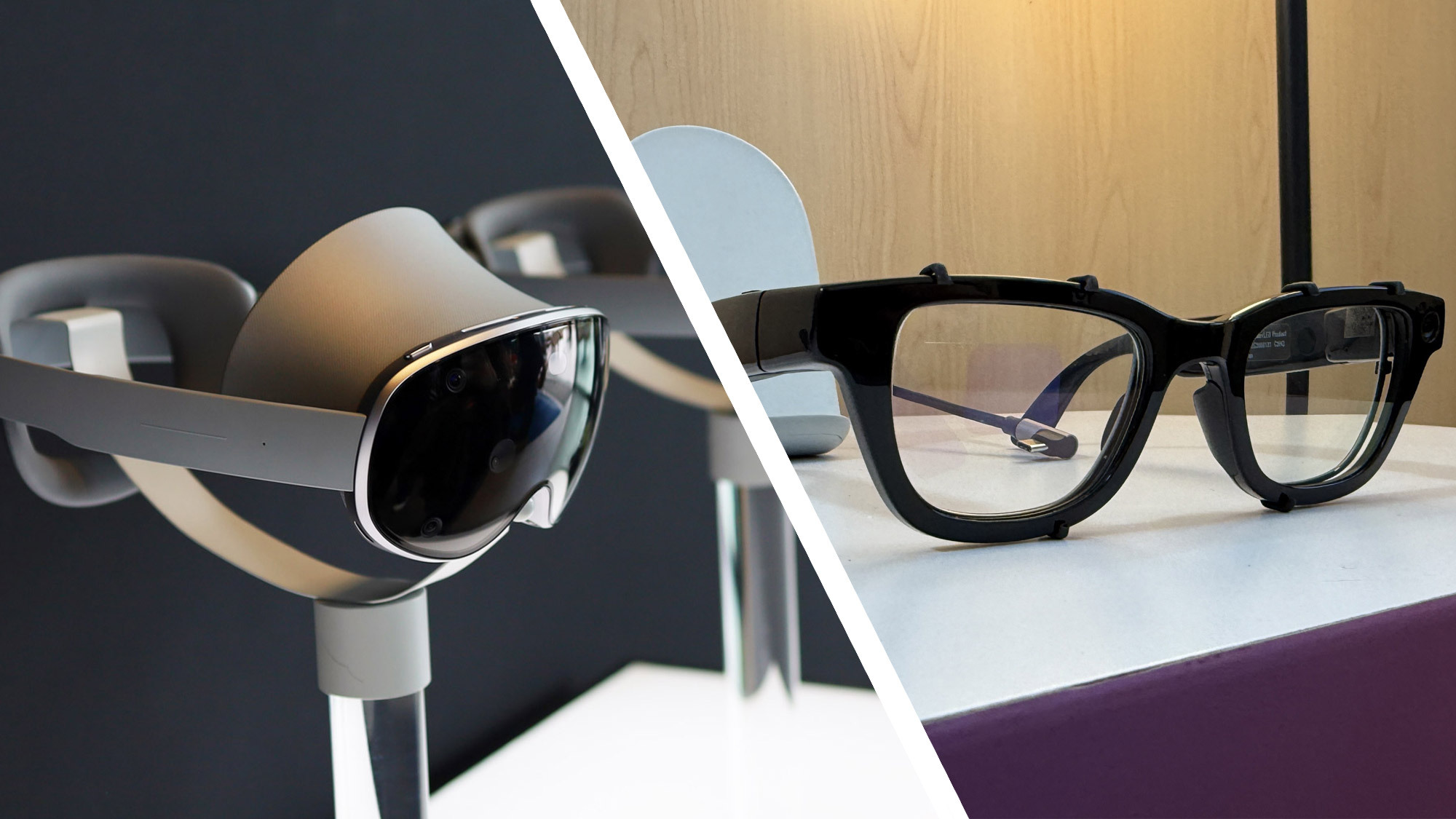
A recent report from the New York Times has suggested that Meta wants to add facial recognition to its specs, and several wearables brands have dreamed up visions of glasses that can remind you where you left your keys before you leave home. But these features only work effectively if your technician is always watching your every move, listening to your every conversation, and deeply involved in your life.
If the perception (even if the court ruling disputes it) is that Meta and YouTube – and by extension Google – are misusing social media data to get people hooked on their technology, I imagine people wouldn’t be keen on handing over even more data to these companies through wearables.
Likewise, if Meta and YouTube can prove they’ve done everything they can to keep users safe, then it could help convince people that their wearables are the safest option in this new AI/AR wild west.
This is a case we’ll be following closely, but with the trial still ongoing and appeals likely to follow, don’t expect a final decision anytime soon.
Follow TechRadar on Google News and add us as a preferred source to get our expert news, reviews and opinions in your feeds. Be sure to click the Follow button!
And of course you can too follow TechRadar on TikTok for news, reviews, video unboxings, and get regular updates from us on WhatsApp also.


